
Sponsor code Mobile no Tax ID code
Blog navigation

Latest posts

Water retention in the legs: How to drain and deflate
91 views

Persistent bloating, a feeling of heaviness that is accentuated towards the evening and tissues that appear visibly...

Read more
How to eliminate excess fluids from the body?
59 views

Fighting the accumulation of excess fluid requires a holistic approach, integrating a healthy lifestyle, a conscious...

Read more
Skin and hair at the beginning of pregnancy: what happens?
450 views

Pregnancy is a period of profound physical and emotional transformation. Among the many changes that accompany the...
Read more
Postnatal massage: benefits and when to have it
504 views

The postnatal period is one of the most delicate and transformative phases in a woman's life. After the birth of a...

Read more
How to eliminate water retention?
240 views

Swelling, heaviness in the legs, tissues that appear ‘puffy’: water retention is a common disorder that affects many...

Read more

Painful cellulite: what it is, how to recognize it and what to do

518 Views
 

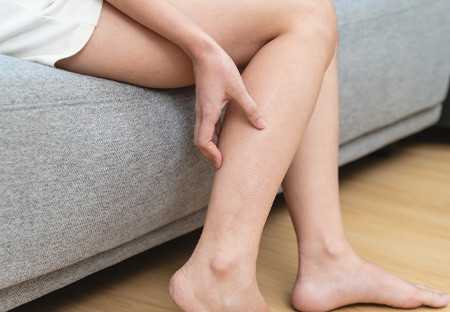
Have you ever felt pain when touching your legs and wondered: “Is it just cellulite or is something else going on?

If the answer is yes, you might be dealing with painful cellulite—a condition that causes real discomfort in your legs and buttocks.

Don’t worry, you’re not alone! Painful cellulite is much more common than you might think, but it’s often overlooked and mistaken for simple water retention.

In this article, we’ll help you understand what painful cellulite is, how to recognize it, and what you can do to feel better.

What is painful cellulite?

We could define painful cellulite as an advanced stage of common cellulite.

It’s not just a simple cosmetic concern, but a real condition that can cause pain and discomfort.

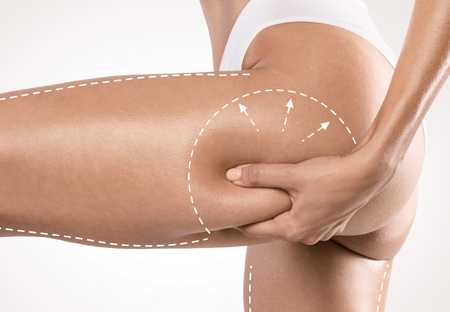
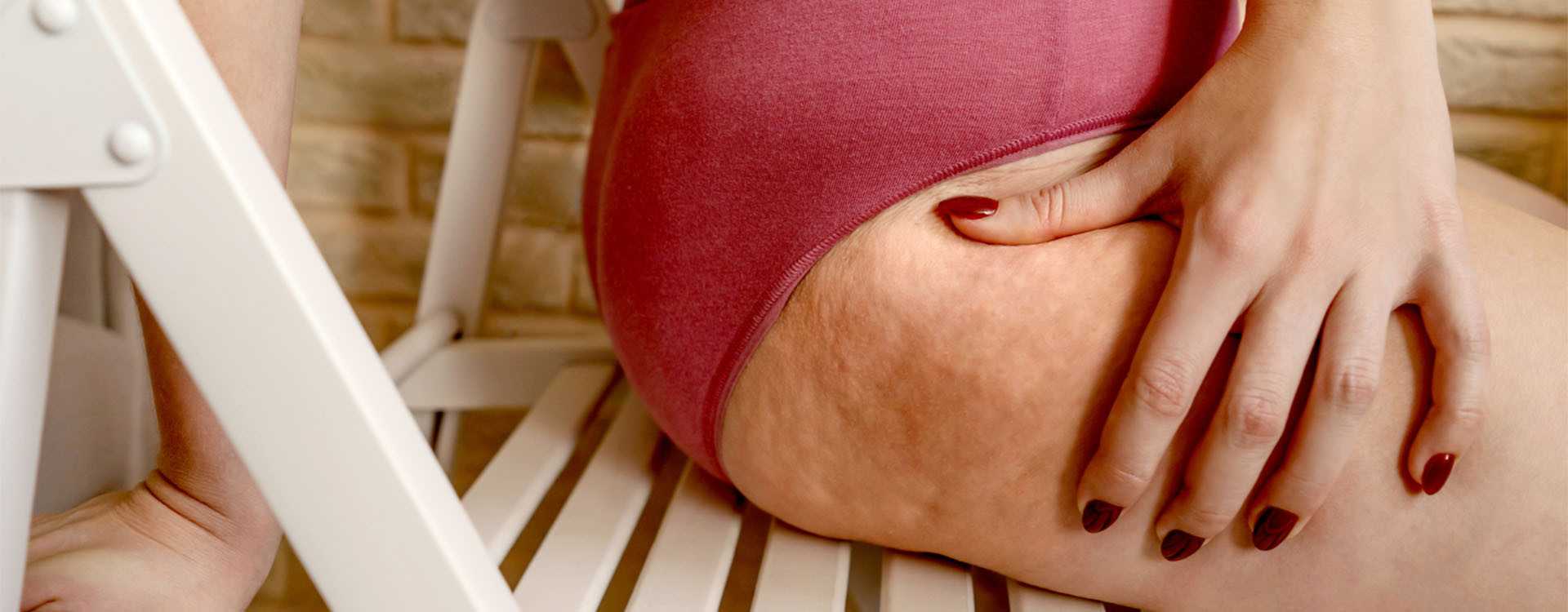
It appears—with the classic “orange peel” skin texture—but in a more severe form due to inflammation, which makes the area swollen and firm to the touch.

The pain is often caused by the formation of nodules, which also lead to a feeling of heaviness and burning.

But why is cellulite painful? What is its main cause?

Main cause of painful cellulite

Poor circulation and inefficient lymphatic drainage trap excess fluids, especially in the legs, thighs, and buttocks.

This leads to the formation of nodules around nerve endings, which—as we mentioned—are the main cause of the pain you’re experiencing.

Painful cellulite is therefore much more than a cosmetic issue; it requires attention and targeted treatment.

Common symptoms of painful cellulite and warning signs not to ignore

In addition to pain, there are other common symptoms to watch out for, which can act as early warning signs:

  • Localized pain when touched

    Unlike “normal” cellulite, painful cellulite causes discomfort or pain when touched, which may vary in intensity depending on the stage.

  • Under-the-skin nodules

    These nodules are the result of fibrosis in the adipose tissue. The skin may feel harder, stiffer, and more uneven than usual.

  • Sensation of heaviness

    Your legs may feel more tired and heavy, even after just a short walk. This is caused by fluid and toxins that stagnate, weakening lymphatic circulation.

  • Swelling

    This is a consequence of water retention. When circulation is poor, the affected area appears swollen not just to the eye, but also to the touch.

There are also some less common symptoms of painful cellulite.

Less common symptoms of painful cellulite

There are three less frequently reported symptoms:

  • Cold to the touch

    The skin in the most affected areas may feel colder than the rest of your body. This is due to impaired circulation—blood struggles to reach the skin, causing a cold sensation when touched.

  • Tingling

    You might experience tingling in areas affected by painful cellulite. This can result from nodules compressing the subcutaneous nerves.

  • Intense burning

    In some cases, you may feel a strong burning sensation, also caused by the pressure on sensory nerves.

Is painful cellulite bacterial? Let’s clarify

Painful cellulite is often confused with infectious cellulite, but they are two very different conditions.

Painful cellulite is linked to poor circulation and water retention, which lead to inflammation of the fat tissue. It usually causes pain in localized areas such as the legs, buttocks, and hips, but it is not an infectious condition and it is not contagious.

Infectious (bacterial) cellulite, on the other hand, is an acute skin infection usually caused by bacteria such as Streptococcus or Staphylococcus. In addition to symptoms similar to those above, it also presents with fever and a reddish appearance of the affected skin.

If you feel intense pain along with fever and redness, you might be dealing with infectious cellulite. In that case, we strongly recommend contacting a doctor immediately.

If, instead, it’s painful cellulite, the next section offers some helpful tips to improve the condition of your legs.

Painful cellulite: supplements and skincare

Here’s the good news—even though it can be extremely uncomfortable, painful cellulite can be managed with the right balance of a healthy, active lifestyle and targeted treatments that help you feel better.

To reduce the sensation of heaviness and swelling, you can use draining wraps with menthol, which also help soothe pain.

However, the best allies against painful cellulite are lymphatic drainage massages. This gentle yet deep technique helps dissolve nodules, reduce swelling in the legs, and stimulate lymphatic circulation.

Supplements based on gotu kola, red vine, and pineapple can support microcirculation.

While they’re not miracle workers on their own, they’re a great aid when combined with a healthy lifestyle.

To further stimulate circulation, you can also wear massaging leggings—comfortable for daily use or during workouts.

You can explore this topic further in the article we published some time ago.

Now you know everything there is to know about painful cellulite—and you can start taking care of yourself today with the right tools. Your skin will thank you!