Pregnancy is a period of profound physical and emotional transformation. Among the many changes that accompany the beginning of pregnancy, those involving skin and hair are among the most obvious and surprising. In the first trimester, the body begins to adapt to the new hormonal condition, and this causes visible effects on the face, skin and hair.
Many women notice a brighter complexion, while others have to deal with acne, dryness or dull hair. But what causes these changes? And how can they be managed naturally and safely, while respecting the health of both mother and baby?
In this article, we will explore in depth everything that happens to the skin and hair at the beginning of pregnancy, analysing the hormonal mechanisms, individual differences and strategies for taking care of yourself gently and effectively.
Skin and hair during pregnancy: why they change in the first trimester
During the first weeks of pregnancy, the female body enters a phase of intense endocrine activity. The increase in hormones such as oestrogen, progesterone and chorionic gonadotropin (hCG) profoundly affects tissues, including the skin and hair follicles.
The first trimester is a period of adaptation: the body “recognises” the new condition and activates a cascade of signals to support embryonic growth. However, this process has aesthetic side effects that are not always predictable.
Many women notice that their skin is more sensitive or reactive, sometimes prone to blemishes or dryness. Hair, on the other hand, can become oilier or more brittle depending on the individual's response to hormones.
In some cases, the effect is the opposite: hair appears thicker and shinier, and skin appears smoother and more radiant.
These phenomena are natural and temporary: they represent the way the body adapts to the new internal balance. Understanding the reasons for these changes helps you to experience this phase with greater peace of mind.

Pregnancy hormones: how they affect skin and hair
Pregnancy hormones are primarily responsible for the aesthetic changes observed in the first few weeks.
- Oestrogens: promote water retention and increased sebaceous gland activity, with both positive (more elastic skin) and negative (increased oiliness or acne) effects.
- Progesterone: relaxes the muscles and increases skin temperature, making the skin more sensitive and sometimes reddened.
- hCG (chorionic gonadotropin): stimulates the production of oestrogen and progesterone, indirectly contributing to skin changes.
- Prolactin: in preparation for milk production, it can affect the hair growth cycle (anagen and telogen phases).
This complex hormonal interaction alters the balance of the scalp and the skin's hydrolipidic film, producing very different results from woman to woman.
Skin changes in early pregnancy: acne, dryness and blemishes
The face during the first weeks of pregnancy is often a clear indicator of hormonal changes. Some women develop the so-called “pregnancy glow”, a natural radiance due to increased blood flow and oestrogen.
Others, however, experience temporary skin problems, such as:
- Pregnancy acne: caused by an increase in sebum and an accentuated inflammatory response.
- Dryness or flaking: when progesterone prevails and sebum production is reduced.
- Spots or melasma: due to excess melanin stimulated by oestrogen, more noticeable in fair complexions.
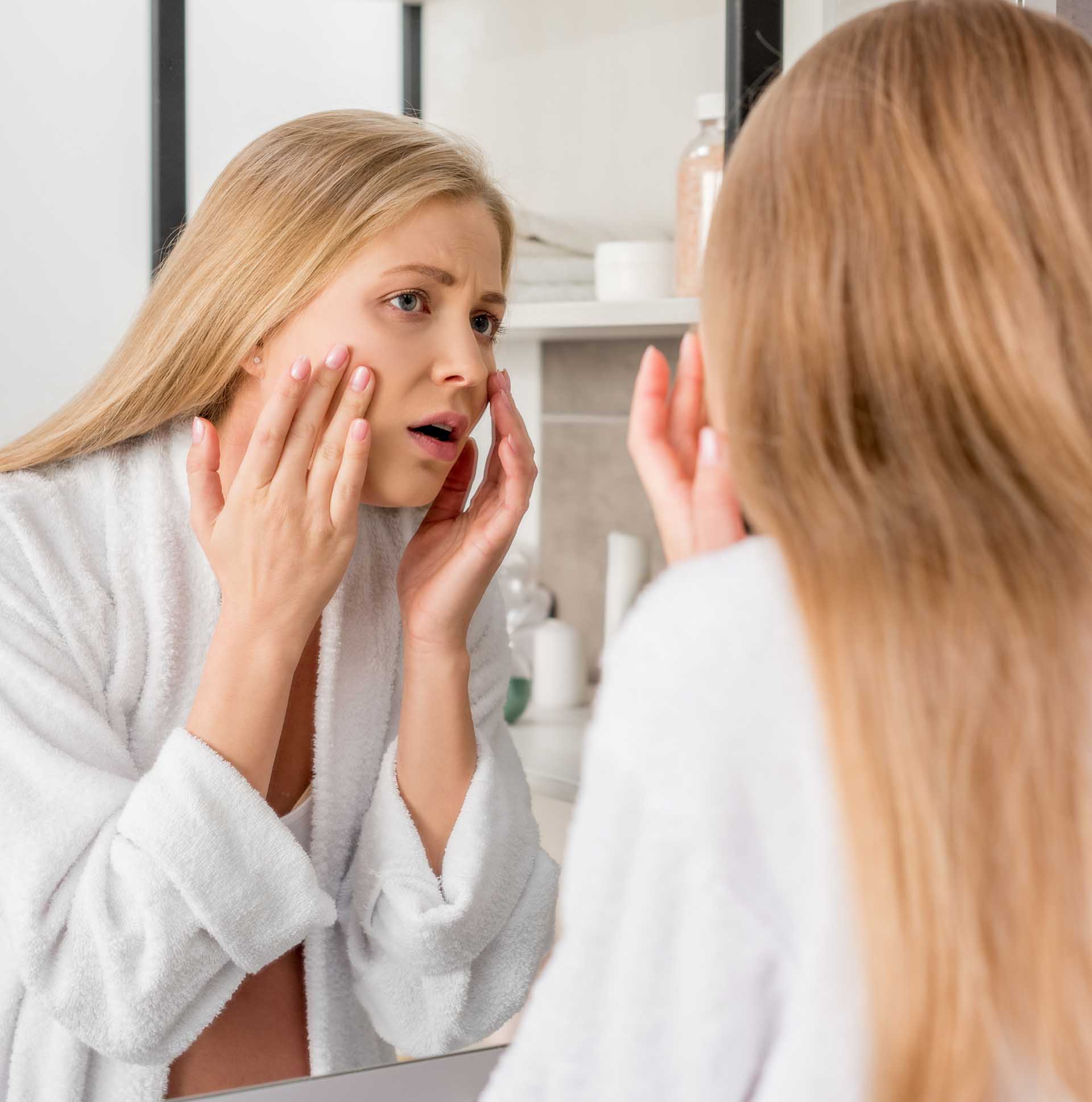
The face at the beginning of pregnancy can therefore change appearance suddenly. In some cases, it appears more toned and relaxed, in others more dull or marked. It is important to remember that every reaction is personal and physiological.
Hair during pregnancy: oily, dry or falling out in the first trimester
One of the most frequent concerns is about hair at the beginning of pregnancy.
Some women notice more beautiful, shiny and stronger hair, while others notice hair loss in the first trimester of pregnancy or hair that is suddenly more oily or drier.
During this phase, hair follicles react to hormones in different ways:
- Oily hair during pregnancy: the increase in oestrogen stimulates the sebaceous glands, making the scalp oilier.
- Dry or brittle hair: this can be a sign of nutritional deficiencies or oxidative stress.
- Temporary hair loss: this is not common in the early months, but can occur in cases of iron deficiency or rapid changes in progesterone levels.
Often, in the second trimester, hair naturally becomes stronger and shinier. However, in the first trimester, hair may appear “dull”, a temporary effect that resolves spontaneously.
A common myth associates beautiful or ugly hair during pregnancy with the sex of the baby (oily hair during pregnancy means a boy or a girl). In reality, there is no scientific correlation: hair quality depends solely on individual hormonal response.
Individual differences: why not all women experience the same changes
Every pregnancy is unique. Differences in skin and hair changes depend on several factors:
- Genetics: some women have greater receptor sensitivity to hormones.
- Nutritional status: deficiencies in iron, zinc, B vitamins or fatty acids affect the skin and hair.
- Lifestyle: stress, sleep and hydration play a crucial role.
- Pre-pregnancy skin and hair type: those who already have oily or dry skin tend to maintain the same tendency, but in an amplified form.
These differences explain why some women talk about “beautiful hair during pregnancy” and others about “ugly hair during pregnancy”. It is not a positive or negative sign, but a normal physiological variability.
What is normal and what is not: when to worry
Most aesthetic changes during pregnancy are absolutely normal. However, it is good to distinguish between physiological phenomena and those that may require medical attention:
Normal:
- Mild or moderate acne.
- Temporary increase or reduction in sebum.
- Mild hair loss.
- Appearance of more pronounced spots or freckles.
To be monitored:
- Severe acne or persistent inflammation.
- Abundant or localised hair loss.
- Intense itching or widespread redness.
- Sudden or rapidly evolving dark spots.
In these cases, it is always advisable to consult a dermatologist or gynaecologist, who will be able to rule out conditions such as nutritional deficiencies, thyroid dysfunction or dermatitis specific to pregnancy.
Safe beauty routine for skin and hair during pregnancy
A safe beauty routine must be based on gentle active ingredients, free from substances that are potentially harmful to the foetus (such as retinoids, strong acids or salicylate derivatives).
During the first trimester, the key word is balance: keep your skin hydrated and your scalp clean without altering its natural barrier.
Example of a daily routine
- Morning: cleansing with a gentle cleanser, light moisturiser and sunscreen.
- Evening: thorough cleansing, soothing or moisturising serum and, if necessary, a treatment for dark spots that is safe during pregnancy (e.g. vitamin C-based).
- Hair: regular washing with a gentle shampoo, avoiding heavy silicones and synthetic fragrances.
👉 At this stage, The Unique Form products are an ideal choice for those who want safe cosmetics that are suitable for pregnancy. Their skin-friendly formulas, free from parabens and silicones, respect the natural physiology of the skin and hair, helping to maintain softness, radiance and comfort even when the skin is at its most sensitive.
The Unique Form's approach, based on biotechnological ingredients and selected natural active ingredients, helps to preserve the balance of the skin's microbiota, improving elasticity and shine without any risk to mother or baby.
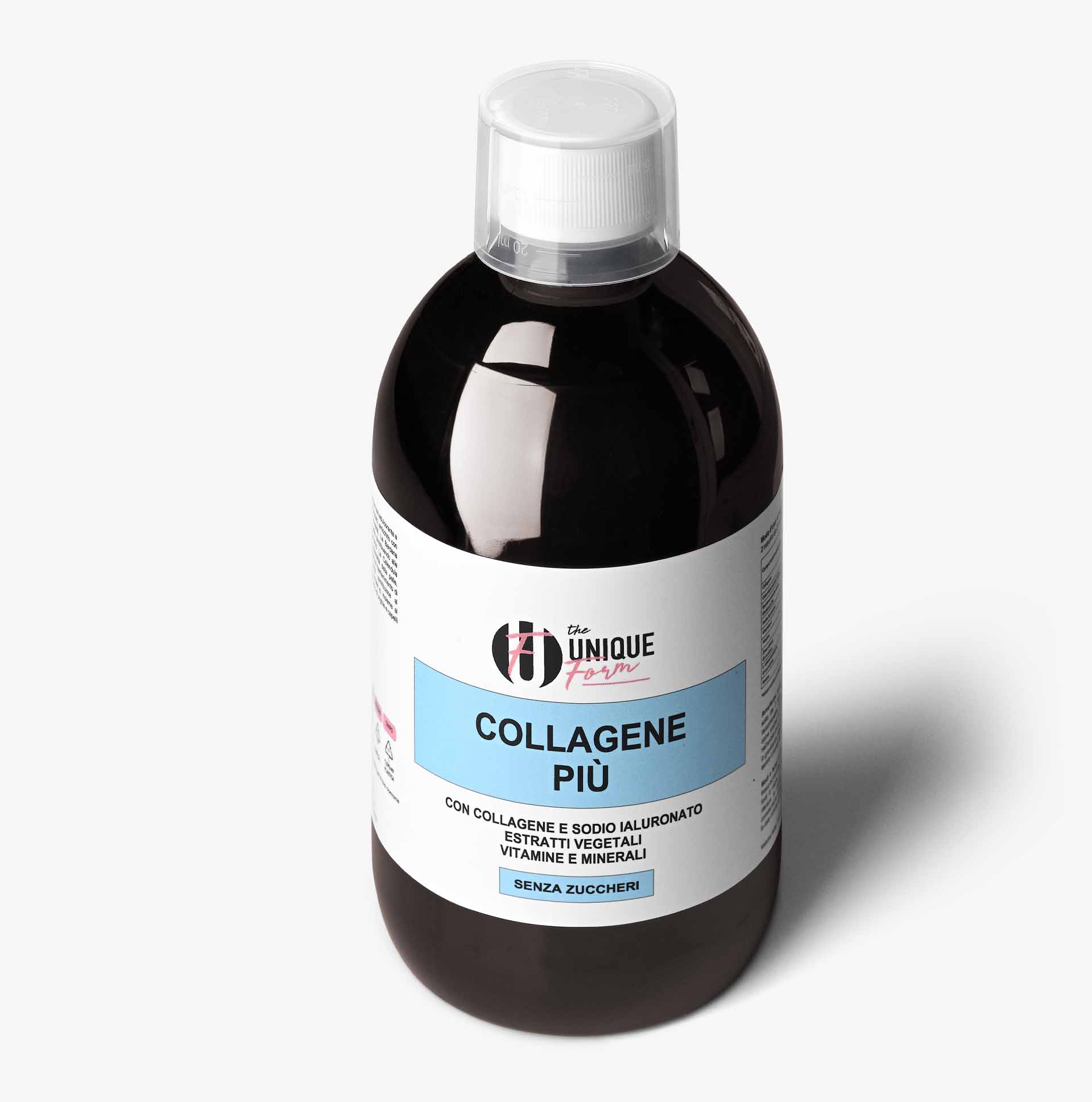
One of the most recommended products is Collagene Più, for use after childbirth and also suitable during breastfeeding. Collagene Più is an advanced formulation that combines targeted active ingredients to promote the vitality and beauty of skin, nails and hair, contributing to their daily well-being. Thanks to the synergistic action of its ingredients, it helps to keep the skin more elastic and compact, strengthens the structure of the nails and gives new energy to the hair.
Its pleasant natural aroma, enriched with peppermint essential oil, gives a feeling of freshness and lightness with every intake. Important: Collagene Più should not be used during pregnancy, as it is essential to avoid supplements not specifically formulated for pregnant women during this phase. However, it is an excellent support in the postpartum period and during breastfeeding, when the skin and hair can appear more fragile and need natural help to regain tone, radiance and strength.
Safe skin and hair products in the first trimester
When it comes to skin and hair products during pregnancy, safety is a priority.
Many common cosmetics contain contraindicated ingredients, such as retinol, formaldehyde, strong essential oils or salicylic acid derivatives, which should be avoided.
For this reason, it is essential to choose tested, hypoallergenic formulas that are free from irritants.
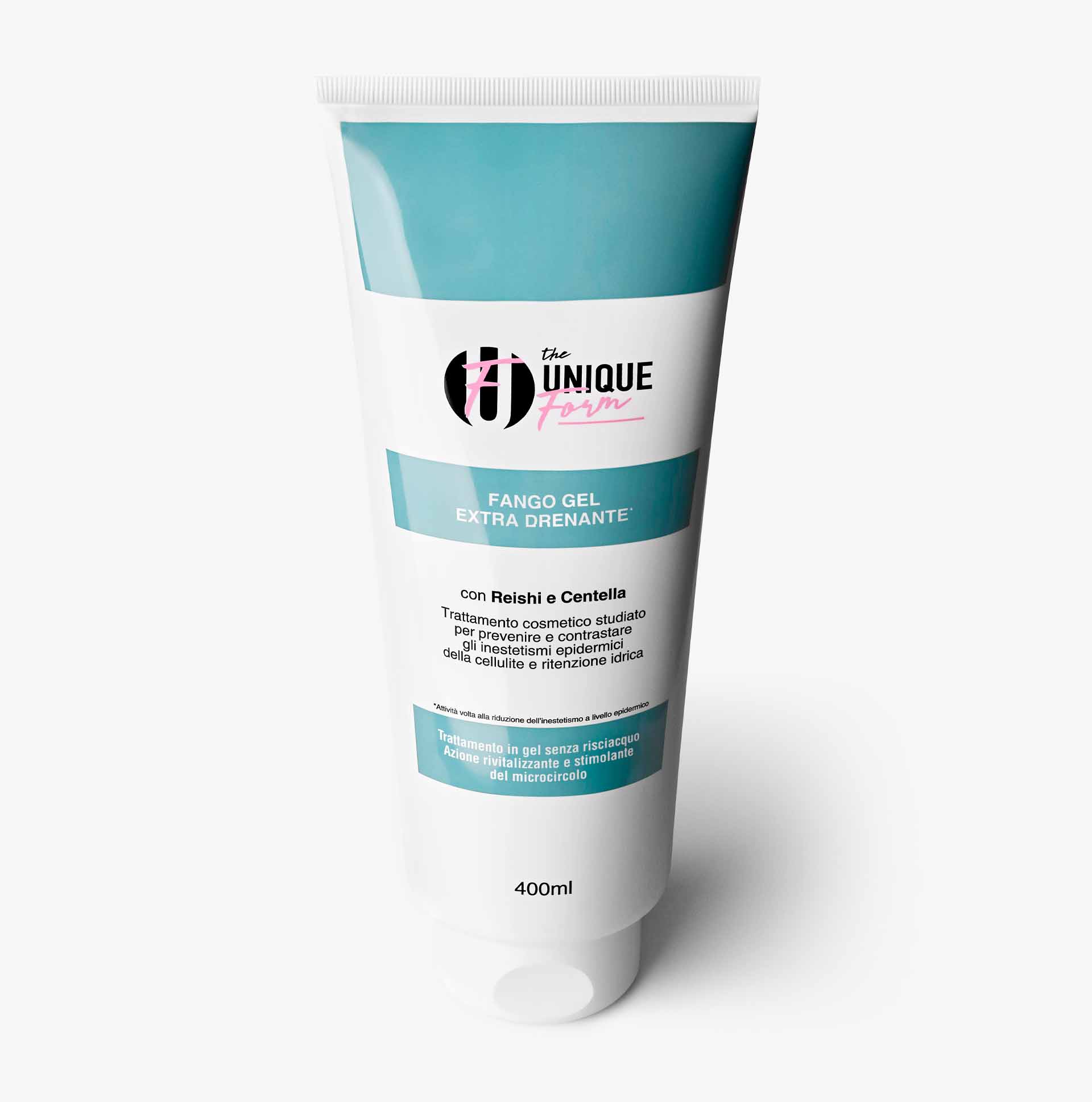
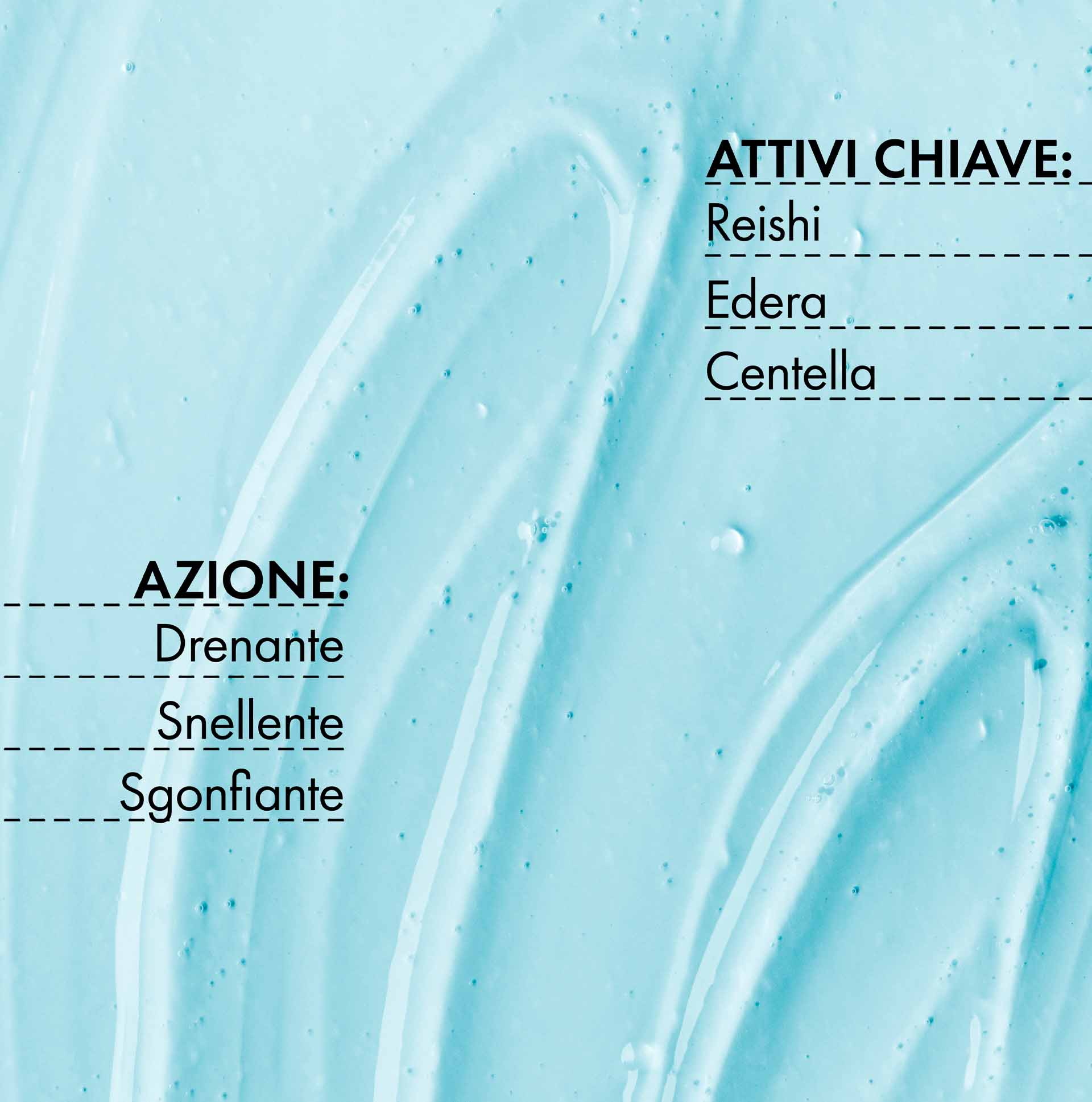
The Unique Form products perfectly meet these needs. For skin care and water retention, we recommend Fango Gel Extra Drenante, with its exclusive NO-RINSE formula, a new treatment that drains, reduces and deflates, rich in active ingredients including Reishi, Ivy, Centella and Horse Chestnut for extra draining action.
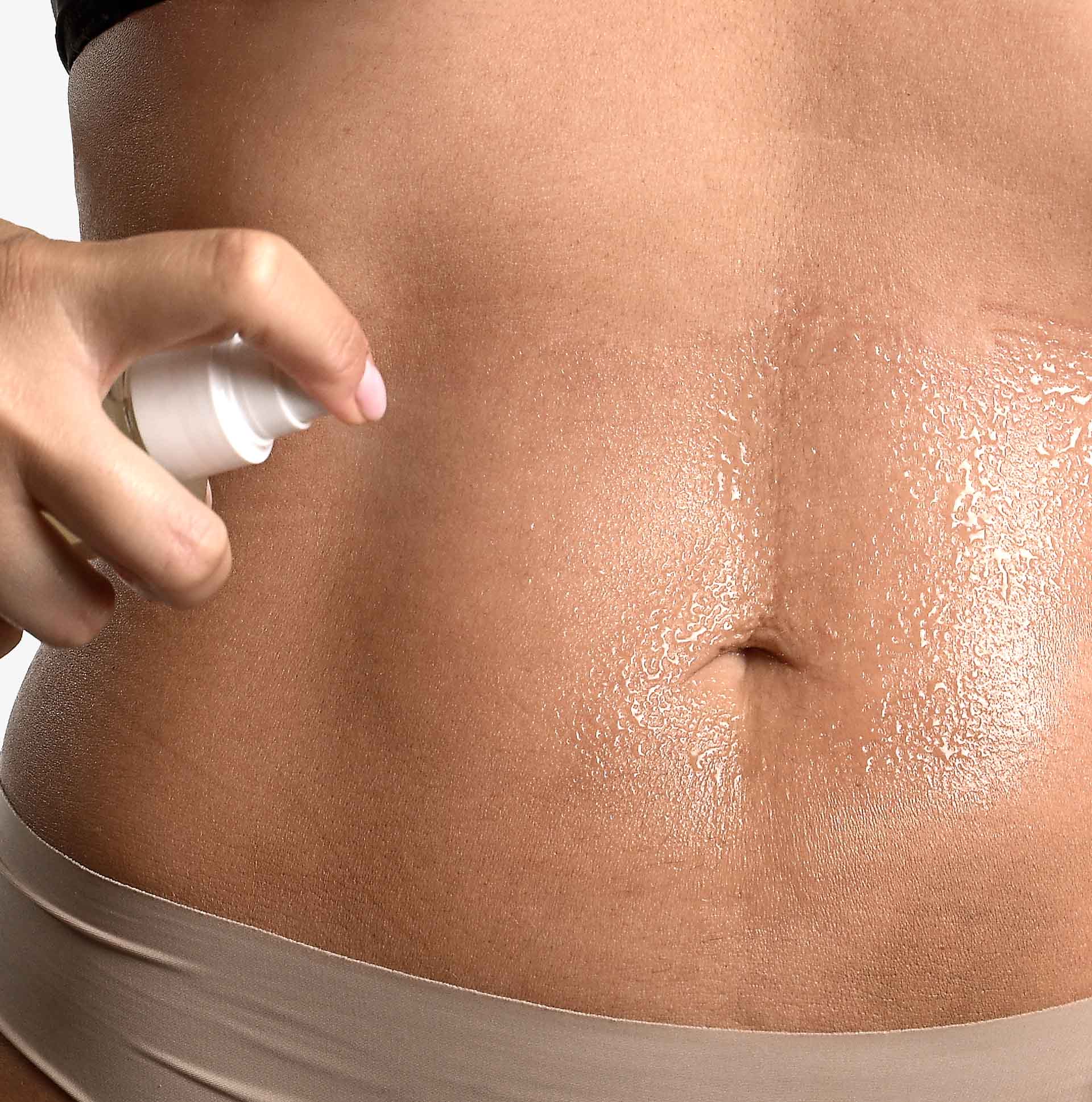
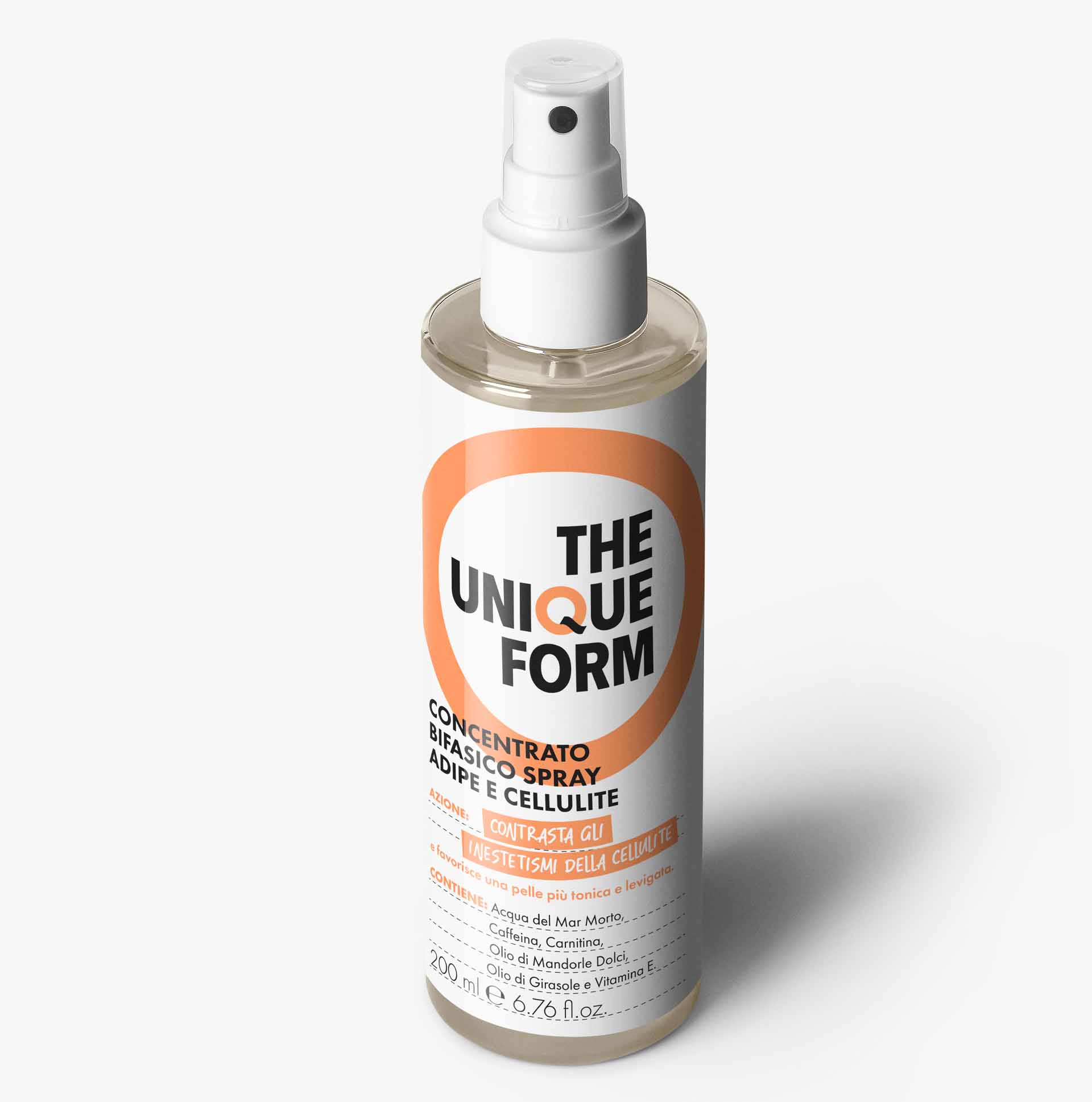
Also suitable during pregnancy is the Concentrato Bifasico Spray Adipe e Cellulite, an innovative and delicate cosmetic treatment designed to visibly improve the quality and firmness of the skin, even during pregnancy. Its balanced formula works naturally to reduce the feeling of swelling and promote more toned, smooth and even skin, without compromising the safety of the mother-to-be.
The dual phase of the product combines the dynamic effectiveness of the aqueous part - enriched with ingredients known for their stimulating and rebalancing action, such as caffeine, carnitine and Dead Sea water - with the softness of the oily phase, which contains sweet almond oil, sunflower oil and vitamin E, essential nutrients for keeping the skin supple and hydrated. This synergy between the two components gives the treatment a light but effective texture that is quickly absorbed, leaving a pleasant feeling of freshness and well-being. The result is skin that appears firmer, smoother and more radiant, with a delicate formulation that is also suitable during pregnancy, designed to accompany the body through its natural changes with confidence and effectiveness.
The constant use of quality products such as those by The Unique Form helps expectant mothers maintain a feeling of well-being and self-care throughout their pregnancy.
Nutrition for healthy skin and hair during pregnancy
Beauty starts from within: a balanced diet is the foundation for maintaining strong skin and hair even during hormonal changes.
Key nutrients
- Vitamins A and C: promote collagen production and skin elasticity.
- B vitamins (biotin, B6, B12): support hair growth.
- Iron and zinc: prevent hair loss and improve scalp health.
- Omega-3 fatty acids: reduce inflammation and improve hair shine.
Practical tips
- Drink at least 2 litres of water a day.
- Eat fresh fruit and vegetables, whole grains and lean proteins.
- Limit sugar and ultra-processed foods.
A balanced diet, combined with regular sleep and proper hydration, is the key to radiant skin and strong hair, even during the most delicate months of pregnancy.
Frequently asked questions
What is hair like at the beginning of pregnancy?
At the beginning of pregnancy, hair can change in texture and appearance. Some women notice increased softness and shine, others notice oilier or drier hair. Slight temporary hair loss is also common, due to hormonal changes. All of these phenomena are normal and tend to stabilise as the pregnancy progresses.
When does your skin start to change during pregnancy?
Your skin starts to change in the first few weeks, often between the 6th and 10th week. Hormonal changes alter sebum production and microcirculation, making your skin more sensitive, reddened or, conversely, more radiant and relaxed. Every woman experiences different timescales and intensities.
How can you tell if you are pregnant from your hair?
There is no sure sign of pregnancy by looking at your hair, but some women notice a sudden change in its appearance: it may become shinier, oilier or drier. However, only a pregnancy test can confirm pregnancy.
How does the face change at the beginning of pregnancy?
In the first few weeks, the face may appear fuller, brighter and more relaxed, thanks to increased circulation and fluid retention. In other cases, small imperfections, acne or dryness may appear. This is a reflection of the new hormonal balance.
How can you tell if a woman is pregnant by looking at her face?
There is no universal visual sign, but some women show a characteristic “glow”, known as the pregnancy glow. However, these aesthetic clues are not reliable: only clinical tests can confirm pregnancy.
When does hair start to look beautiful during pregnancy?
Many women notice an improvement in their hair between the second and third months, when oestrogen levels stabilise. Hair becomes stronger and thicker because the growth cycle slows down, reducing hair loss. This positive effect tends to last until childbirth.
Conclusion
Pregnancy is a wonderful phase of metamorphosis, in which the body changes to accommodate life. Your skin and hair reflect this process, alternating between moments of splendour and delicacy.
Understanding the causes of these changes and choosing the right routines and products — such as those from The Unique Form, which are safe and specifically formulated for skin and hair during pregnancy — allows you to experience this phase with greater awareness and serenity.
Beauty during pregnancy is first and foremost about balance, care and naturalness.