Persistent bloating, a feeling of heaviness that is accentuated towards the evening and tissues that appear visibly swollen. Water retention is an extremely common disorder that affects a large percentage of the population, with a particular incidence in the female gender.
It is not a simple aesthetic problem, but rather a signal that our body sends us about a slowdown in the fluid disposal system. Technically defined as oedema, this condition occurs when fluids that should be flowing through the circulatory and lymphatic systems become trapped in the interstitial spaces, i.e. between cells.
At The Unique Form, we firmly believe in a well-being that stems from the synergy between correct lifestyle habits and the use of scientifically advanced supports.
Our philosophy is to accompany each person on a path to rediscover their own lightness, offering solutions designed to guarantee tangible and long-lasting results.
From advanced cosmetic formulations to specific draining supplements to reactivate the lymphatic system, to technologically innovative cosmetic clothing, each of our proposals is designed to act on both the root causes and visible effects of fluid stagnation.
The aim is to help the body regain its natural water balance, transforming the feeling of heaviness into renewed energy and tonicity of the lower limbs.
What is Water Retention and How to Recognise it from the Symptoms
Often mistakenly confused with localised fat, water retention is a distinct physiological phenomenon that requires specific treatment. While fat is an accumulation of energy reserves in the form of fat, retention is a stagnation of liquids, minerals and toxins that the lymphatic system cannot drain effectively.
Our organism has a finely tuned system for managing the water-salt balance through the action of the kidneys and specific hormones; however, when this mechanism is slowed down or blocked, the water that would normally be expelled tends to 'imbibe' soft tissue.
In the legs, this phenomenon is amplified by the force of gravity, which makes venous return to the heart more difficult, causing noticeable accumulations on the ankles, calves, knees and thighs.
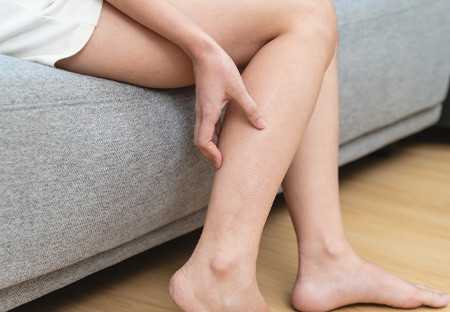
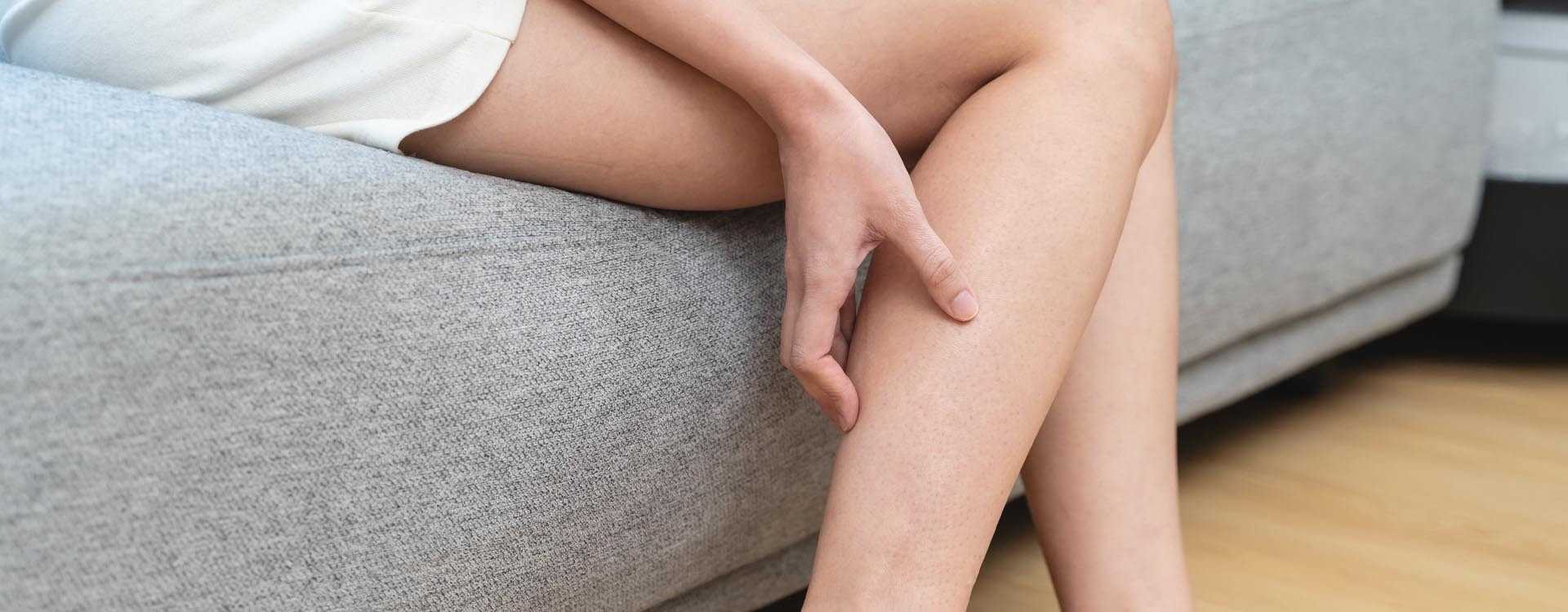
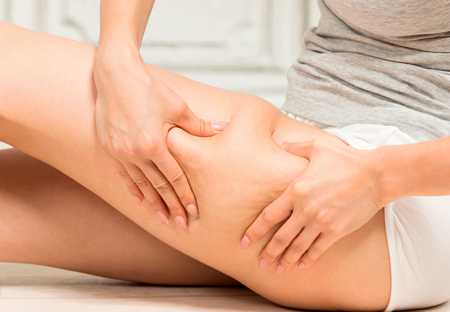
Recognising the signs early on is the first essential step in order to intervene effectively and prevent worsening. The most common symptoms are unmistakable and often worsen over the course of the day: skin tension is felt, shoes can become tight towards the evening and legs are painful to the touch. An empirical but very reliable method to distinguish retention from fat is the so-called 'finger test' or fovea sign.
By pressing firmly with the thumb on the affected area (e.g. on the front of the thigh or near the ankle) for a few seconds and then releasing, if a white mark or depression remains on the skin which takes a few moments to disappear, it is most likely oedema.
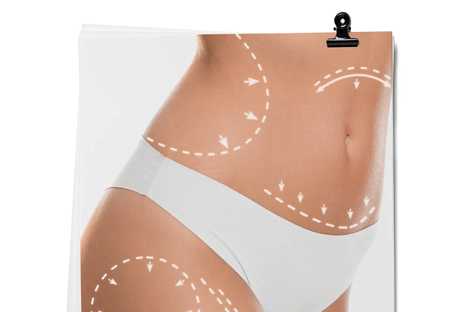
This happens because the pressure momentarily displaces accumulated fluids in the surrounding tissues. Other alarm bells include rapid and unwarranted weight fluctuations (as much as 1-2 kg in twenty-four hours) and, if the condition persists over time, the appearance of orange-peel skin, caused by chronic inflammation of tissues suffocated by excess fluid.
The Main Causes: Lifestyle, Nutrition and Hormonal Factors
Identifying the roots of the problem is essential for structuring an effective attack strategy, as water retention is almost always multifactorial. Although in some cases it can be an indicator of heart or kidney disease (which is why a medical consultation is always recommended in serious cases), in most everyday situations it is linked to modifiable lifestyle factors.
Sedentariness is undoubtedly the number one enemy for leg health: spending many hours sitting at a desk or, conversely, too many hours standing still, inhibits the calf muscle pump and the plantar venous slab, essential mechanisms for pushing blood and lymph upwards against gravity.
Without this mechanical stimulus, fluids stagnate in the lower extremities.
Nutrition plays an equally crucial and often underestimated role. A modern diet, rich in processed foods, often results in an excessive intake of sodium. Sodium is not only found in the salt we add to dishes, but is hidden in large quantities in sausages, aged cheeses, packaged baked goods and sauces.
An excess of sodium alters the osmotic balance of cells, forcing the body to retain water to dilute the salt concentration. This is often compounded by a deficiency of potassium and magnesium, sodium antagonist minerals that are essential for drainage. Finally, the hormonal component has a significant impact, especially in women: oestrogen affects the permeability of capillary vessels and the body's ability to manage fluids.
Phases such as premenstruation, pregnancy or menopause, as well as taking hormonal therapies, can significantly accentuate swelling in the lower limbs. Chronic stress, by raising cortisol (the stress hormone) levels, also promotes fluid retention, creating a vicious circle that is difficult to break without targeted intervention.

The Winning Strategy: Hydration, Diet and Physical Activity
To defeat water retention and obtain light and supple legs, there is no magic pill, but an integrated strategy that must become a lifestyle. The first paradox to accept is that to eliminate excess water, you must drink water. A dehydrated body enters a 'survival' mode and tends to retain every drop of liquid available.
Drinking at least 1.5 to 2 litres of low fixed residue oligomineral water throughout the day stimulates kidney function, helping to eliminate sodium and metabolic waste that clogs the tissues. It is important to drink in small sips and constantly, avoiding overloading the stomach only during meals.
In parallel with hydration, the diet must undergo an overhaul aimed at drainage. The primary goal is to drastically reduce salt, replacing it with herbs, spices and lemon to add flavour to dishes.
It is essential to increase the consumption of foods rich in water and potassium, true natural diuretics. Green light therefore to asparagus, cucumbers, fennel, pineapple (rich in anti-inflammatory bromelain), watermelon and berries, which protect the capillaries. Lean proteins are also important, as albumin helps keep fluids inside the blood vessels, preventing them from leaking into the tissues.
Physical activity is the third key pillar, acting as a mechanical pump for the lymphatic system. However, not all sports are equal when it comes to leg retention. High-impact activities such as running on asphalt can, in some cases, worsen the situation due to micro-traumas that generate inflammation (and thus water retention).
The ideal is to prefer low-intensity, long-duration aerobic activities: brisk walking is excellent because the roll of the foot activates the return circulation. Equally good are swimming and water aerobics, where the water exerts a natural draining massage on the whole body, or cycling, which tones the muscles without traumatic impacts. Consistency is the key: 30-40 minutes a day are sufficient to reactivate the fluid metabolism.
Remedies and Treatments: Help from Integration and Cosmetics
When the right lifestyle habits are in place, the use of specific products can make all the difference, accelerating results and offering targeted support where the body struggles most. Modern dietary supplementation offers extremely effective phytotherapeutic complexes, capable of acting from within to promote purification and microcirculation.
Ingredients such as Pilosella, Orthosiphon, Birch and Dandelion are known for their ability to stimulate diuresis without depleting the body of essential minerals.
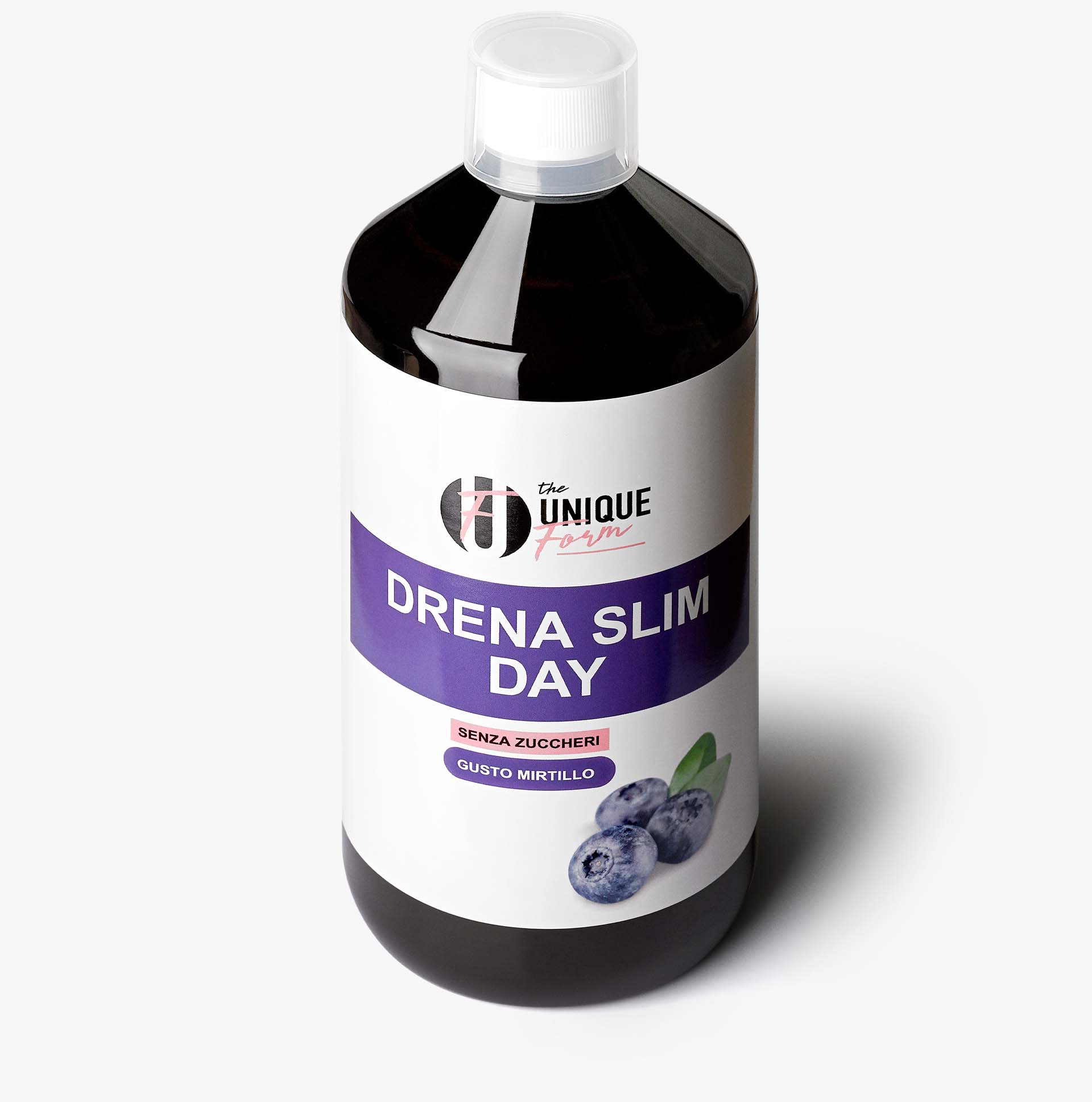
Including a product such as drena slim day in your routine allows you to promote the elimination of excess fluids thanks to its concentrated formulation of plant extracts, acting directly on heaviness in the lower limbs and improving the functionality of the urinary tract.
The internal action must be accompanied by an external treatment that acts locally on the tissues. Cosmetics and technical clothing have made great strides in this area. The daily use of draining creams, applied with a massage that always starts from the ankles and goes up towards the groin to follow the lymphatic flow, helps to unblock stagnation. But the real revolution lies in the continuous wearing of active garments.
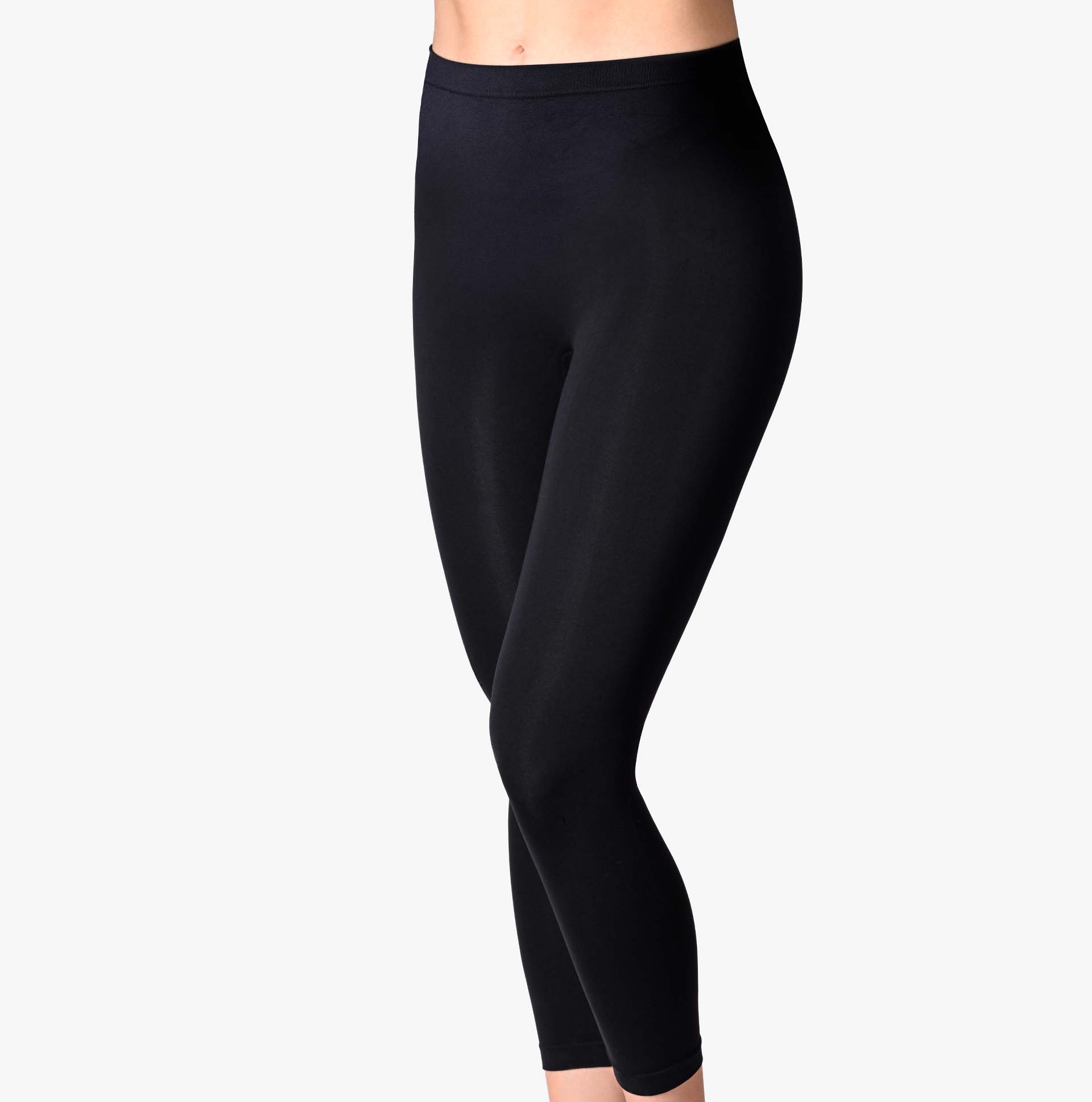
Cosmetic clothing, such as the slimming massage leggings, works in synergy with your movements throughout the day.
Thanks to its special weave with graduated compression and the fabric that performs a constant micro-massage with every movement, it stimulates venous and lymphatic return, oxygenates the tissues and effectively combats retention, offering an immediate sensation of lightness and improving skin texture in the long term.
Frequently Asked Questions (FAQ)
How long does it take to eliminate water retention in the legs?
There is no equal time frame for everyone, as it depends on the severity of the stagnation and consistency in following the treatments. However, by simultaneously adopting a low-sodium diet, proper hydration and using specific draining supplements, it is possible to notice a significant reduction in swelling and lighter legs already after the first 7-10 days of constant treatment.
Does drinking plenty of water really eliminate water retention?
Absolutely, it is the most powerful natural remedy. Drinking an adequate amount of water (at least 2 litres a day) stimulates diuresis and helps the kidneys filter and expel excess sodium and toxins accumulated in the tissues. When we drink little, the body activates defence mechanisms that retain fluids; hydrating correctly unlocks this mechanism and encourages drainage.
What are the worst foods to avoid if you suffer from swollen legs?
The main enemies are foods with a high hidden salt content. Cured meats and sausages, very mature cheeses, salty snacks (chips, peanuts), canned foods (if not rinsed well), bouillon cubes, soy sauce and industrial ready meals should be avoided or drastically limited. Excessive simple sugars can also promote inflammation and thus retention.
Is walking enough to deflate my legs or do I need to go to the gym?
Walking is one of the most effective remedies and is often preferable to heavy training in the gym. Walking at a brisk pace activates the 'plantar pump' under the foot and the 'muscular pump' in the calf, which are the main motors for pushing blood and lymph from the ankles towards the heart. To deflate the legs, regularity (walking every day) is more important than intensity of effort.