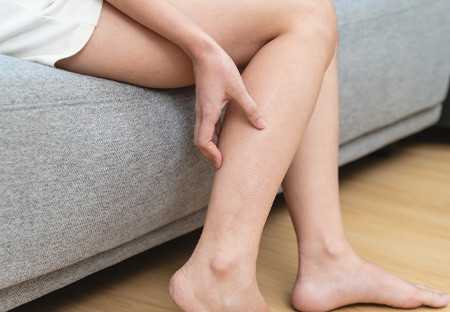
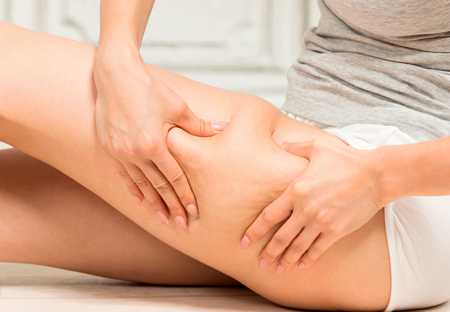
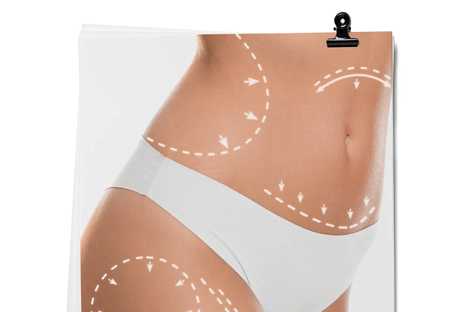
Water retention is a much more common condition than you might think, particularly among women, but it does not spare men either. It occurs when the body retains an excessive amount of fluid in the tissues, causing a feeling of bloating and heaviness that can become uncomfortable in everyday life. The areas most affected are often the legs, ankles, buttocks and abdomen, but in some cases the arms and hands may also appear swollen. This phenomenon is often the result of a malfunction of the lymphatic and circulatory systems, which are unable to efficiently eliminate accumulated water and toxins. Among the most common causes are hormonal imbalances, typical of pregnancy, the menstrual cycle or menopause; a diet that is excessively high in salt and low in fresh foods; a sedentary lifestyle; circulation problems and, last but not least, periods of high stress or lack of sleep. The result is a body that appears less toned, with less elastic skin and, in many cases, a worsening of the appearance of cellulite. Tackling water retention is therefore not just a matter of aesthetics: it also means promoting general well-being and improving quality of life.
- Hormonal imbalances (e.g. during pregnancy, menstruation or menopause)
- A diet high in sodium and low in fruit and vegetables
- A sedentary lifestyle and lack of physical activity
- Circulatory problems
- Stress and lack of sleep
The visible result is often widespread swelling, less toned skin and, in more severe cases, worsening cellulite.
How natural diuretics work
When we talk about diuretics, we immediately think of drugs, but there are very effective natural solutions that can help the body get rid of excess fluids without the side effects typical of medicines. Natural diuretics work by stimulating urine production and promoting the elimination of excess sodium, two processes that help reduce swelling and heaviness. Their function is simple but valuable: when the kidneys filter the blood, they separate waste substances and water that the body no longer needs to retain. Natural diuretics amplify this process, facilitating drainage and alleviating the feeling of bloating. Unlike pharmacological solutions, they work in synergy with the body, respecting its rhythms and preserving the balance of essential minerals. This makes them ideal for regular and prolonged use, provided they are always part of a balanced lifestyle.

Plant allies against fluid retention
Nature provides us with a wide range of plants and herbs that have a diuretic effect. Some of them, such as dandelion, have been known for centuries for their ability to promote fluid elimination and purify the body. Pilosella, with its draining effect, is particularly useful in cases of swelling associated with cellulite, while birch, rich in flavonoids, acts as a true natural purifier. Orthosiphon, also known as Java tea, is another plant with remarkable diuretic properties, widely used in herbal teas designed to promote light, less swollen legs. Fennel, often associated with digestive well-being, also has a draining action that helps reduce water retention. Finally, horsetail is a concentrate of minerals and silicon, useful not only for eliminating fluids but also for strengthening tissues. Many of these plants can be taken in the form of herbal teas, capsules or liquid extracts, depending on personal preference and ease of use.
- Dandelion: one of the best-known herbs for draining fluids
- Pilosella: recommended for combating swelling and cellulite
- Birch: rich in flavonoids, promotes purification
- Orthosiphon: often used in draining herbal teas for light legs
- Fennel: also useful for reducing abdominal swelling
- Horsetail: natural source of silicon and minerals
They can be taken in the form of infusions, herbal teas, capsules or liquid extracts. The choice depends on personal needs and ease of use.
The importance of diet in natural drainage
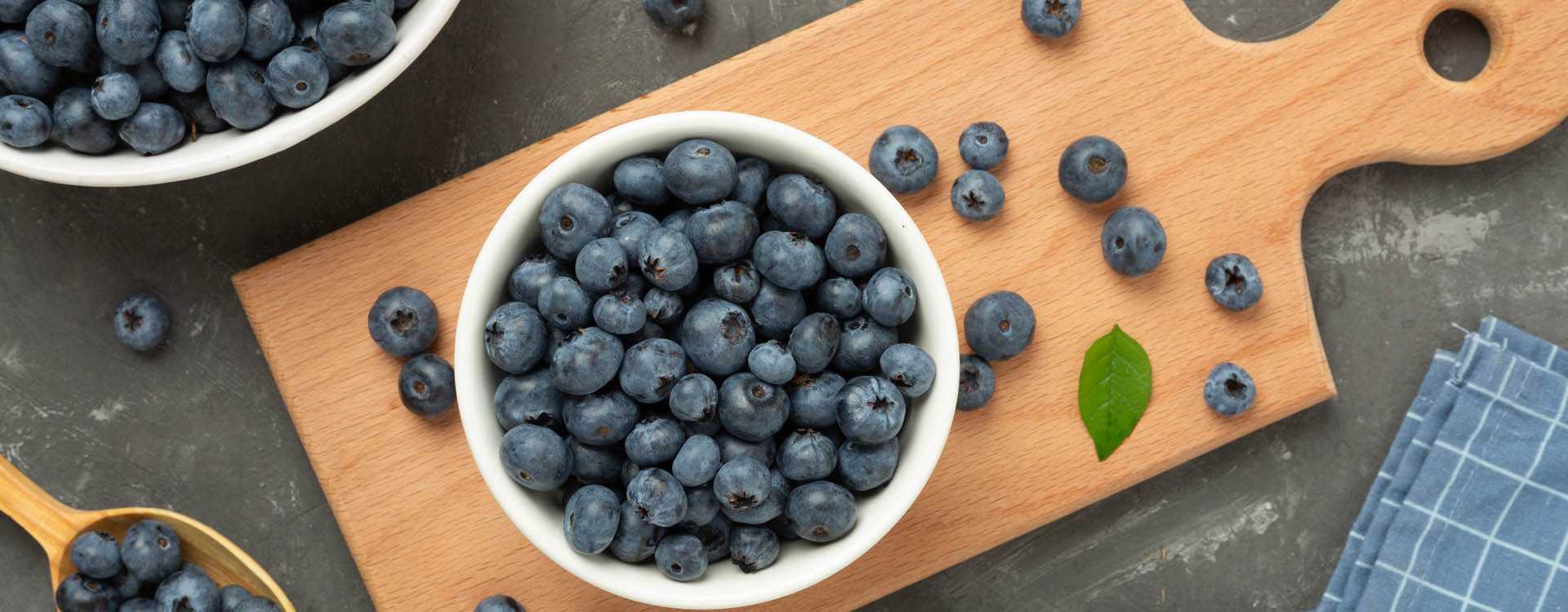
To combat water retention, what we put on our plates is just as important as the plants we choose to take. Some foods have a natural draining effect. Cucumbers, for example, are mostly composed of water and potassium, two essential elements for stimulating diuresis. Pineapple, thanks to bromelain, not only helps to drain, but also improves digestion and microcirculation. Watermelon, sweet and hydrating, is perfect especially in the summer months, while celery stimulates the kidneys to eliminate excess fluids. Berries, especially blueberries, offer a double action: draining and protective against microcirculation. Tomatoes, rich in lycopene and water, also help maintain good hydration and promote purification. Regularly incorporating these foods into your daily diet, combined with reduced salt intake, is a fundamental step towards achieving visible results.

Drink to drain: the power of herbal teas and infusions
If you are wondering what to drink to promote fluid elimination, the answer is often found in a steaming cup. Herbal teas and infusions are a simple and effective way to introduce natural active ingredients with a diuretic effect into the body. A birch and dandelion herbal tea, for example, can stimulate drainage in a gentle but constant way, while a fennel and nettle infusion combines diuretic and purifying properties. Green tea, when consumed in moderation, has a draining and antioxidant effect, while an artichoke decoction helps purify the liver and stimulate the elimination of toxins. In addition to their effectiveness, these drinks help maintain adequate hydration, which is essential for combating water retention.
Lifestyle and habits for optimal drainage
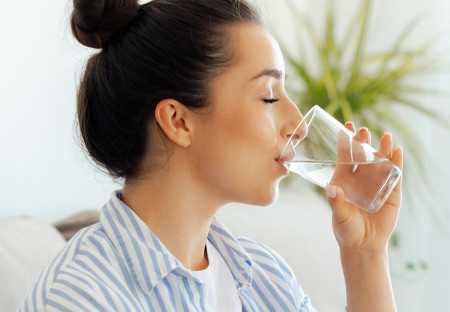
A natural diuretic, however powerful, cannot work miracles if it is not accompanied by a healthy lifestyle. Drinking at least two litres of water a day is the first essential step, as is reducing your consumption of salt and processed foods. Regular physical activity, which can be as simple as a brisk walk, a swim or a yoga session, stimulates circulation and helps prevent fluid retention.
- Drink at least 1.5-2 litres of water a day
- Reduce your consumption of salt and processed foods
- Take regular exercise, particularly brisk walking, swimming and yoga
- Maintain good posture to promote venous return
A combined approach that combines diet, exercise and phytotherapeutic support can yield visible results in just a few weeks.

When to use natural diuretics
There are times when using a natural diuretic can make all the difference. During the hottest periods of the year, for example, when the body tends to retain more fluid, or before a special event, to feel lighter and less bloated. Even during seasonal changes, when the body can benefit from a detox programme, the use of a natural drainer can prove invaluable. In any case, moderation is key: the body needs to maintain a water and mineral balance, so it is always a good idea to listen to your body and not overdo it.

Drena Slim Day The Unique Form: natural support for draining fluids
Among the most popular natural solutions for promoting drainage, The Unique Form offers Drena Slim Day, available in two varieties: peach tea and blueberry. It is a liquid supplement designed to stimulate diuresis, reduce water retention and promote a feeling of lightness throughout the body. The blueberry version not only has a draining action but, thanks to its natural antioxidant content, also helps protect microcirculation, making it ideal for those who suffer from swollen and heavy legs. Regular use, combined with a balanced diet and physical activity, helps to:
- Reduce swelling and fluid retention
- Improve silhouette definition
- Promote leg well-being
It is a practical product that is pleasant to drink and suitable for daily use as part of a wellness routine.

Frequently asked questions about natural diuretics for water retention
What is the best diuretic for water retention? The best natural diuretic is one that combines effectiveness and tolerability. Herbs such as dandelion, pilosella and birch are among the most widely used, especially in combination with supplements such as Drena Slim Day by The Unique Form.
What is the most powerful natural diuretic? Among the most powerful are dandelion and orthosiphon, which stimulate diuresis in a decisive but natural way.
What is the most powerful natural drainer? Combinations of several plants with draining action, such as dandelion, pilosella and blueberry, are considered among the most effective.
What drink makes you urinate the most? Birch herbal teas, artichoke decoctions and green tea are among the most diuretic natural drinks.
How can you eliminate all water retention? An integrated approach is needed: a balanced diet, physical activity, proper hydration and support with natural diuretics or targeted supplements such as Drena Slim Day.