The postnatal period is one of the most delicate and transformative phases in a woman's life. After the birth of a child, the body must undergo a complex recovery process: tissues reorganise, hormones change, and physical and emotional balance must be regained step by step.
In this context, postnatal massage plays a fundamental role in promoting the overall wellbeing of new mothers.
When performed by qualified professionals with due care, these treatments not only accelerate physical recovery but also help improve body image, promoting relaxation, circulation and mind-body connection.
In this article, we will take an in-depth look at what postpartum massages are, what benefits they offer, when to start them, the main techniques used and the precautions to follow.
We will also look at how to choose a specialised professional and answer the most frequently asked questions about postpartum recovery, including: ‘How can I get rid of my postpartum belly?’, ‘How can I get rid of water retention?’ and ‘How long does it take for the uterus to return to its normal size?’.
What are postnatal massages?
Postpartum massages are manual treatments designed to promote the physical and psychological recovery of women after childbirth, whether natural or caesarean.
During pregnancy, the body undergoes profound changes: the skin stretches, the tissues retain more fluid, posture changes and the muscles — particularly the abdominal and pelvic muscles — relax to accommodate the growth of the baby.
After birth, the body must gradually regain its original balance. Postnatal massage is part of this process, offering concrete help in:
- reactivating lymphatic and venous circulation, which is useful for combating swelling and water retention;
- toning muscles and skin, especially in the abdominal area and legs;
- relieving muscle tension, especially in the cervical, lumbar and dorsal areas, which are often strained by new breastfeeding postures;
- stimulating the metabolism to promote the elimination of toxins and excess fluids;
- rebalancing hormones, thanks to an increase in oxytocin, the hormone responsible for well-being and maternal attachment.
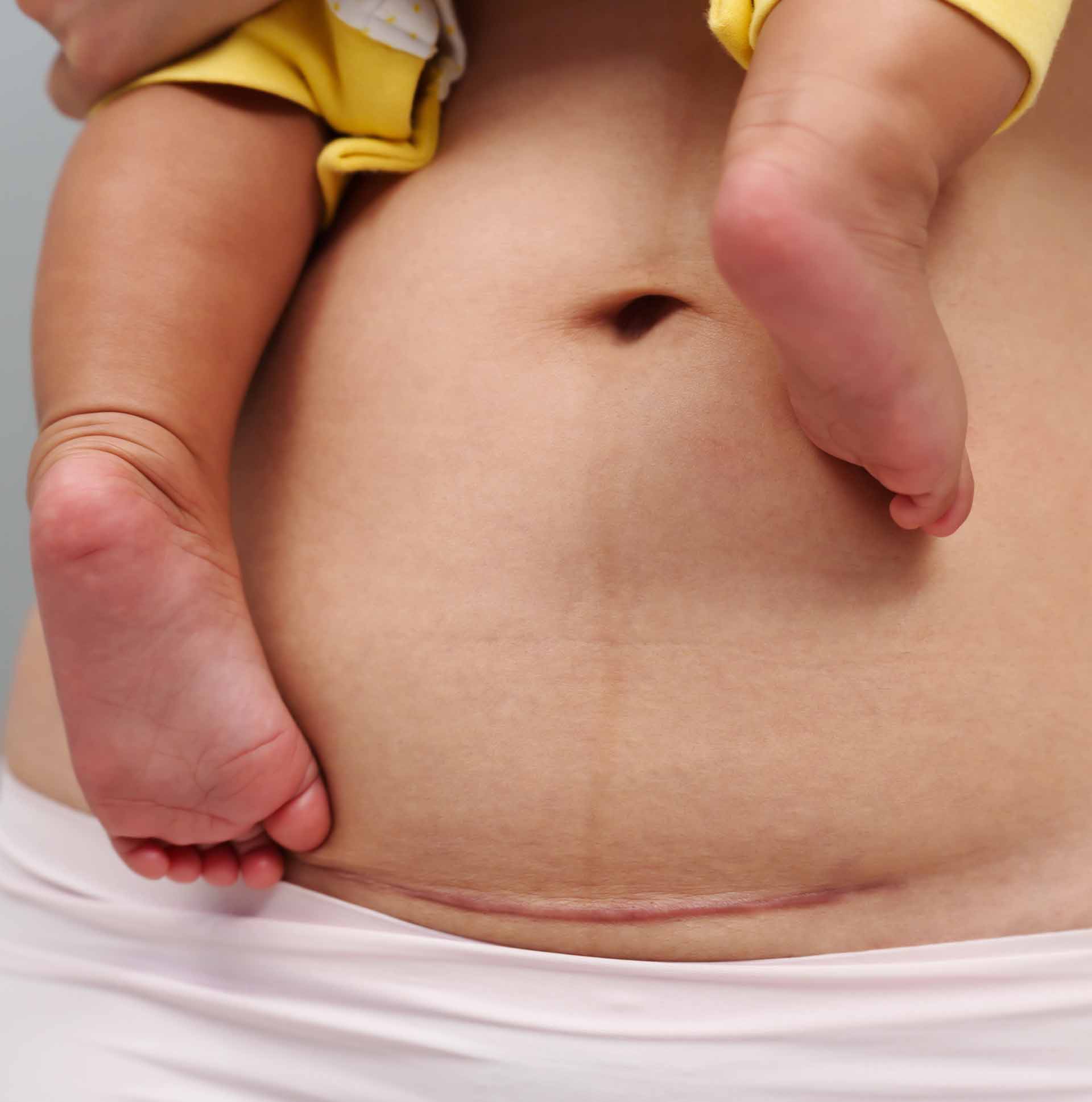
Post-caesarean massage requires a more delicate and personalised approach. After a caesarean section, the abdominal area is affected by a surgical scar that must be respected in terms of timing and methods. In these cases, massage techniques are adapted to avoid trauma to the tissues and promote better lymphatic drainage in the perilesional area.
In general, postnatal massage is not just a cosmetic or therapeutic treatment: it is an intimate moment of listening and welcoming, a way to return to perceiving one's body with gentleness and awareness.
Why have massages after childbirth
Having massages after childbirth is a gesture of deep care for oneself. After months of hormonal, physical and emotional changes, the body and mind need time and support to rebalance.
1. Physical benefits
- Reduction of water retention: the lymphatic system, which is often slowed down during pregnancy, is stimulated by draining massage techniques, helping the body to eliminate excess fluids.
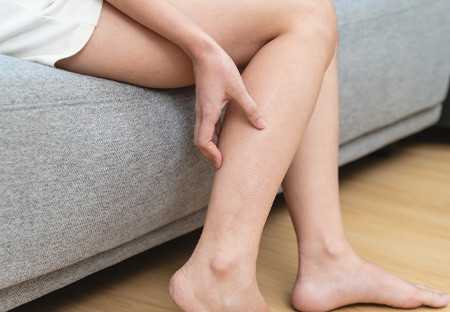
- Improved blood circulation: more efficient blood flow helps to reduce swelling and heaviness, particularly in the legs and ankles.
- Restoration of muscle tone: massage stimulates the deep muscles, helping to restore tone and elasticity.
- Rebalancing of connective tissue: targeted manipulation improves skin quality, making it firmer and more even.
- Support for uterine function: gentle abdominal techniques can help the uterus gradually return to its natural size.
2. Psychological benefits
After giving birth, many women experience fatigue, anxiety or mood swings related to hormonal changes and their new routine.
Postnatal massage also acts on this level, promoting:
- the release of endorphins, which reduce stress and improve mood;
- the production of oxytocin, which promotes serenity and strengthens the emotional bond with the baby;
- better sleep and a general sense of relaxation.
3. Aesthetic benefits
Massage, combined with postnatal beauty treatments and a balanced lifestyle, can help the skin regain its firmness and radiance.
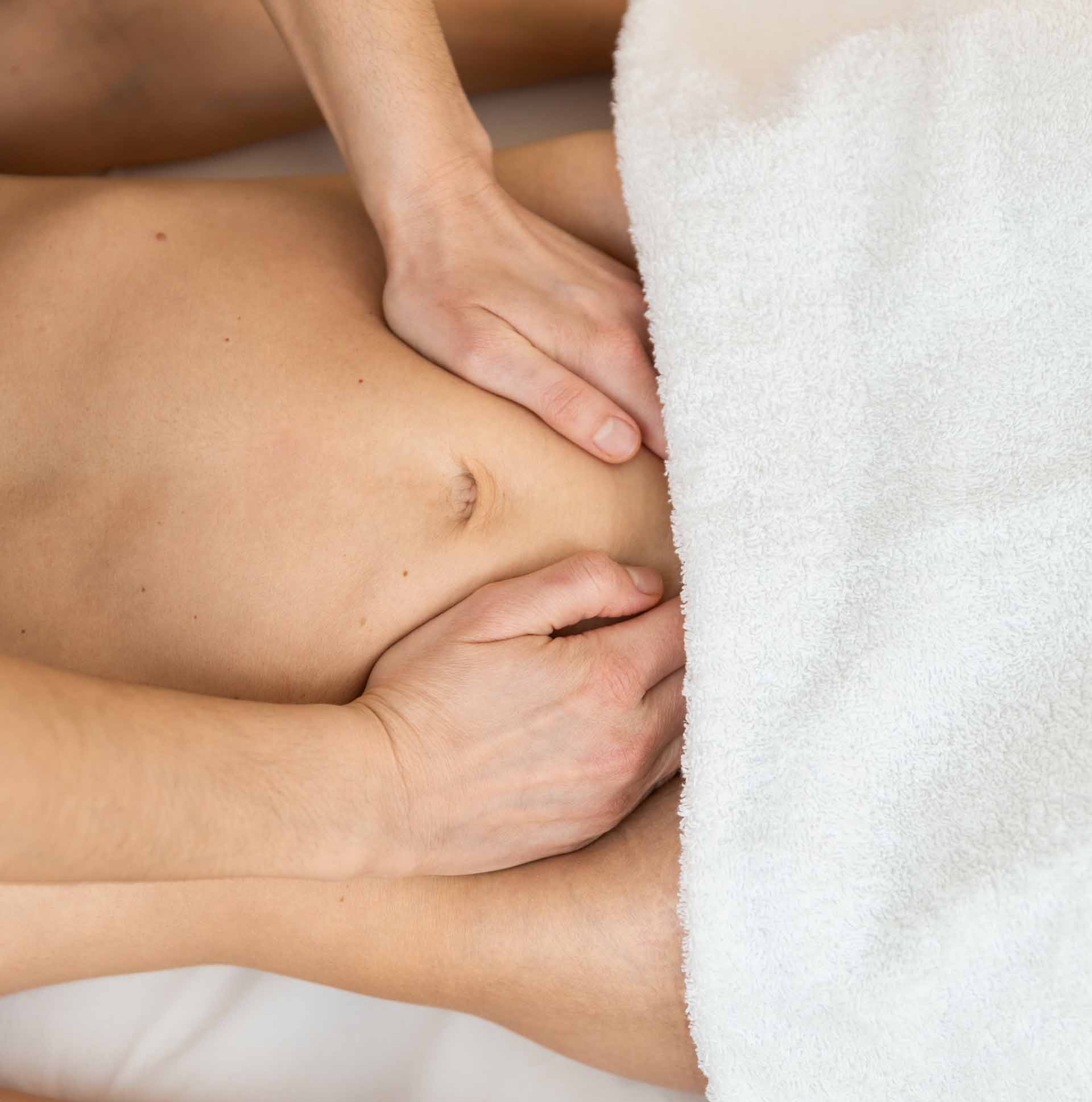
In particular, postnatal lymphatic drainage massage is very useful for combating localised oedema and swelling, while postnatal tummy massage helps to improve the appearance of the abdominal area, which is often prone to loss of tone and stretch marks.
Many new mothers also find it beneficial to resume certain practices already begun during pregnancy, such as leg massage during pregnancy, now adapted to the recovery and drainage needs of the postnatal period.
Types of massage recommended after childbirth
There are different types of massage that can be included in a postpartum programme, each with specific purposes. The choice must always be personalised, based on the mother's physical condition, the type of delivery and any contraindications.
1. Postnatal lymphatic drainage massage
This is one of the most recommended techniques in the first few weeks. Through slow, rhythmic movements, lymphatic drainage stimulates lymphatic circulation, promoting the elimination of excess fluids and accumulated toxins.
Ideal for reducing swelling in the legs, feet and ankles, this massage provides a feeling of lightness and helps to rebalance the immune system.
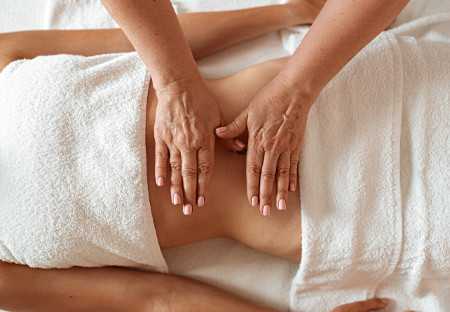
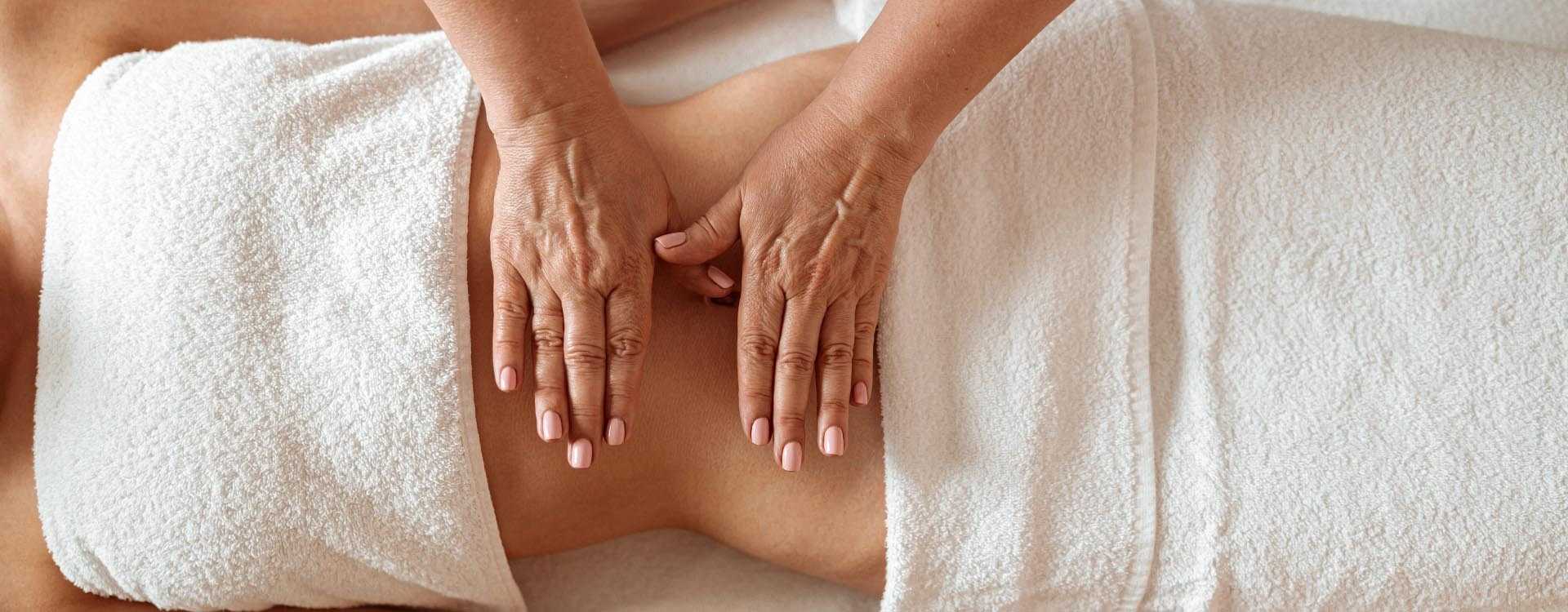
2. Abdominal massage or ‘postpartum belly massage’
This is a very gentle technique that works on the surface, helping the abdominal tissues to regain tone and stimulating intestinal peristalsis.
It can also promote uterine retraction and improve deep muscle tone, always in accordance with physiological times and subject to medical authorisation.
3. Relaxing or gentle decontracting massage
Perfect for relieving back pain, neck tension and muscle stiffness caused by breastfeeding posture.
The light, enveloping manipulations help reduce fatigue and promote energy recovery.
4. Postnatal foot reflexology
By stimulating specific points on the foot, this technique helps to restore the body's energy balance and support hormonal, lymphatic and digestive function.
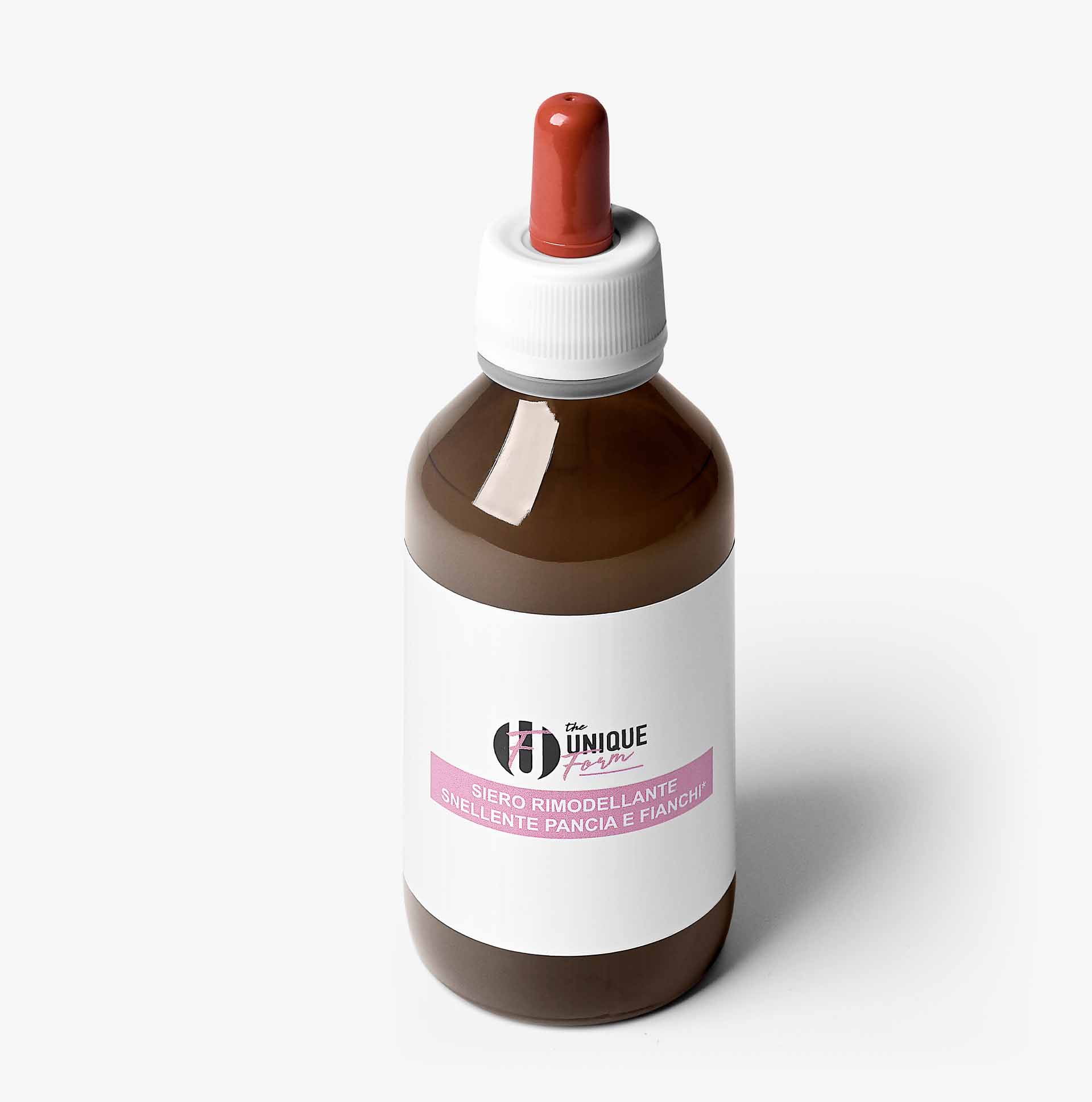
During the massage, the use of products formulated with natural ingredients can amplify its beneficial effects. For example, Slim Belly and Hips Remodelling Serum, is an intensive treatment designed to reshape and tone the silhouette. The presence of coral algae, bromelain and an exclusive complex based on stevia and maté helps to make the skin more elastic and compact, counteracting areas of greater relaxation. However, it is not recommended during breastfeeding.
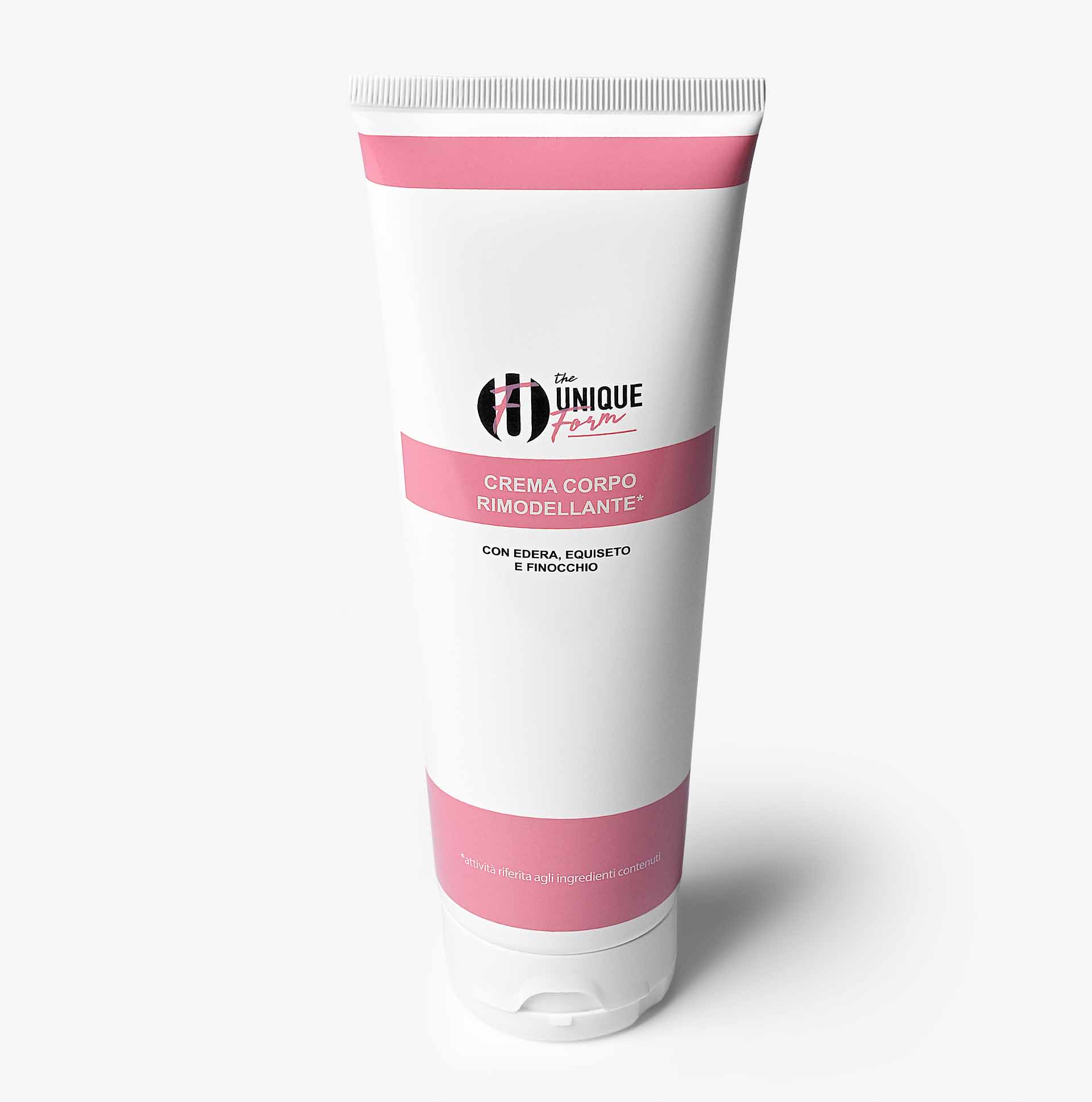
The Body Reshaping Cream targets cellulite and fat deposits in critical areas such as the tummy, hips, buttocks and thighs. Thanks to its gentle and safe formula, it is also suitable for breastfeeding mothers, helping the skin to regain softness and tone.
When used in conjunction with professional treatment, these products help to make the skin softer and more toned, accompanying new mothers towards a natural and harmonious recovery.
When to start postnatal massage
Deciding when to start postnatal massage is a decision that must always take into account the individual condition of the mother, the type of delivery and the opinion of the gynaecologist or midwife.
The body goes through a phase of physiological adjustment that varies from woman to woman and must be respected at every stage.
After natural childbirth
In the absence of complications, postnatal massage can be started as early as 7-10 days after the birth of the baby. At this stage, it is advisable to favour gentle techniques, such as lymphatic drainage massage, which help to stimulate circulation and relieve the feeling of swelling in the legs and ankles.
The body tends to retain fluids in the days following childbirth due to hormonal changes and the natural redistribution of body fluids.
As the weeks go by, more specific techniques such as postnatal tummy massage or toning treatments can be introduced, but only after checking that there is no pain or excessive sensitivity in the abdominal area.
After a caesarean section
In the case of a caesarean section, it is essential to wait until the surgical wound has completely healed before undergoing any treatment on the abdominal area.
Doctors generally recommend waiting at least 6-8 weeks, but the exact time may vary depending on healing and skin condition.
During this period, gentle massages can still be performed on the legs, arms, back and neck to promote lymphatic drainage and general relaxation.
Only when the scar is well closed and pain-free can the professional consider introducing post-caesarean massage techniques to improve tissue elasticity and prevent subcutaneous adhesions.
Listen to your body
Every woman has a different recovery time. Listening to your body is essential: if the massage causes discomfort or pain, it is best to stop and resume gradually.
The goal is not to force recovery, but to accompany it gently and respectfully.
Precautions and contraindications
Postpartum massages offer numerous benefits, but like any treatment, they must be performed with care and expertise.
Here are some basic precautions to follow:
1. Avoid massage in case of:
- fever or ongoing infections;
- deep vein thrombosis or significant circulatory problems;
- cuts, wounds or scars that have not yet healed;
- mastitis or breast inflammation;
- haemorrhages or abnormal bleeding;
- specific medical conditions (e.g. uncontrolled hypertension), without medical advice.
2. Pay attention to the caesarean scar
The abdominal area should only be treated after the wound has completely closed and with the prior authorisation of your gynaecologist.
An early or incorrect approach can compromise healing or create tension in the connective tissue.
3. Choose gentle, natural products
Postpartum skin is often more sensitive, so it is best to use only tested products that are free from synthetic fragrances or irritants.
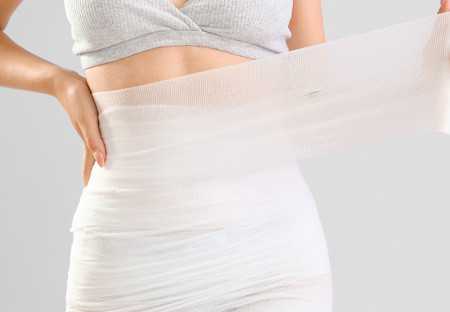
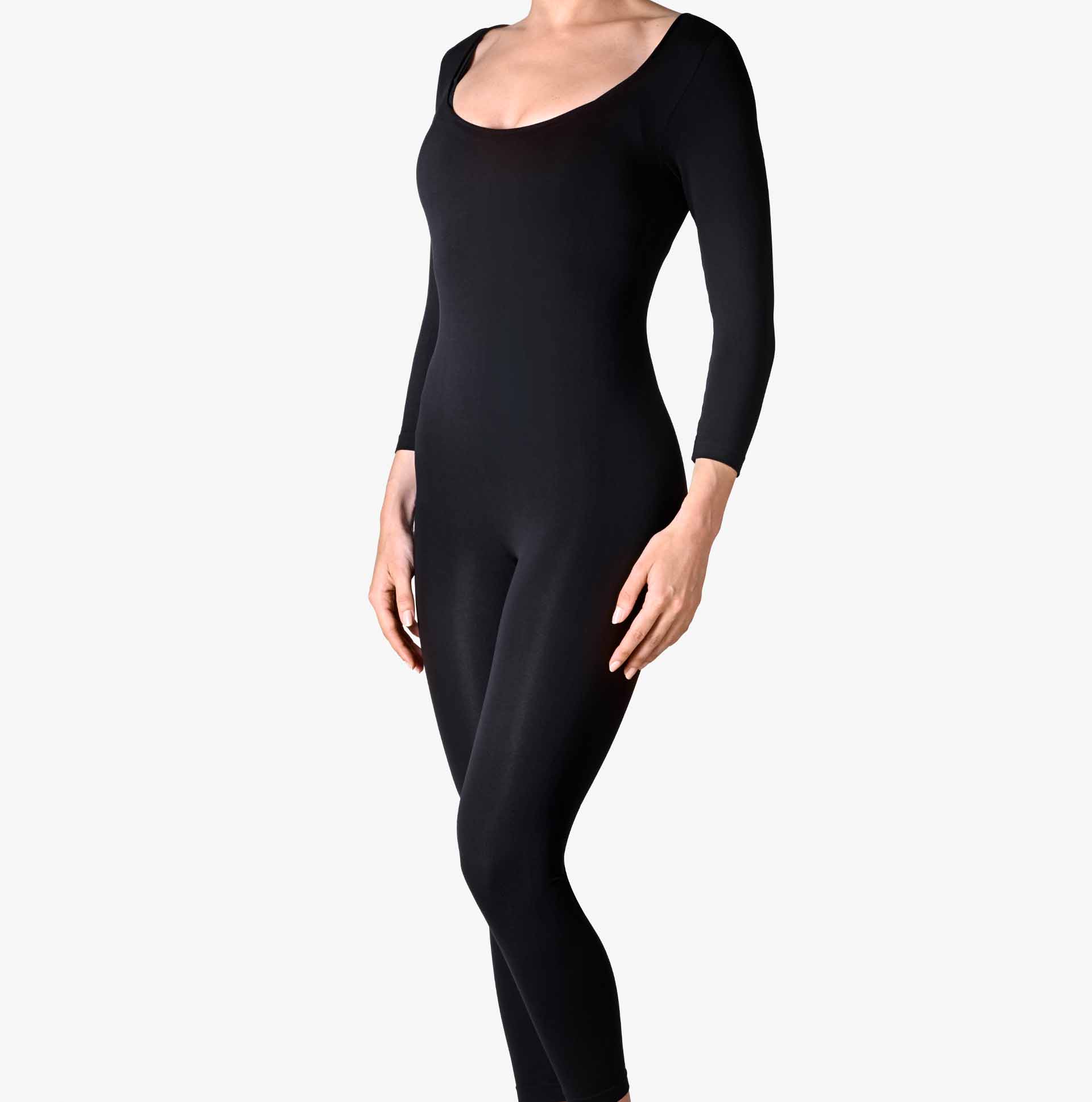
For a gentle and safe approach, Theuniqueform offers, for example, in combination with cosmetic treatments, the Slimming and Reducing Remodelling Suit, made with innovative technology, which envelops the body with medium compression that promotes a slimming and firming effect, helping to reduce the appearance of cellulite and improve skin firmness.
How to choose a qualified professional
Choosing the right professional is one of the most important decisions.
A postnatal massage performed by expert hands can make a big difference, while an improvised approach risks causing discomfort or undesirable effects.
1. Check their training
Make sure that the professional has specific training in postnatal massage or perinatal massage. The skills required are different from those of traditional beauty massage, as it is necessary to know the anatomy of the female body in the post-pregnancy period and the possible obstetric complications.
2. Suitable professionals
The most suitable professionals are:
- certified massage therapists, with lymphatic drainage and decontracting skills;
- physiotherapists specialising in perineal and postural rehabilitation;
- midwives trained in gentle manual techniques;
- wellness practitioners with recognised qualifications in the perinatal field.
3. Empathetic and respectful approach
In addition to technique, listening is important. The professional must be able to welcome the mother at a time of great vulnerability, adapting each manoeuvre to her physical and emotional state.
4. Self-massage at home
With the professional's permission, it is possible to learn simple self-massage techniques to perform daily at home. These moments become rituals of wellbeing and awareness, promoting physical recovery and mental relaxation.
Frequently asked questions about postnatal massage
How can I get rid of a flabby tummy after giving birth?
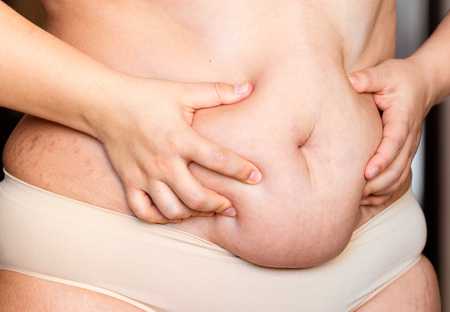
A flabby tummy after childbirth is a common condition, linked to the stretching of the rectus abdominis muscles and skin relaxation. Postnatal tummy massage, when combined with targeted exercises such as hypopressive or gentle pelvic exercises, helps to stimulate circulation, tone the tissues and improve skin firmness.
For optimal results, the process must be gradual and consistent: no forcing, but a progressive reactivation of the muscles. Daily application of a firming cream such as Theuniqueform can amplify the effects of massage, deeply nourishing the skin and improving its elasticity.
How to get rid of postpartum water retention?
Postpartum water retention is often caused by the accumulation of fluid in the tissues, due to hormonal imbalances and reduced physical activity.
Postpartum lymphatic drainage massage is the most effective technique for stimulating the lymphatic system, promoting the drainage of excess fluid.
To enhance the effects:
- drink at least 2 litres of water a day;
- limit salt and ultra-processed foods;
- move around every day, even if only with light walks;
- prefer a position with your legs slightly raised when resting.
Combining these good habits with massage helps to reduce swelling, heaviness and the feeling of “full legs”, restoring lightness and well-being.
What should you not do immediately after giving birth?
In the first few days after the birth of your baby, your body is still in the process of adapting. Here's what to avoid:
- invasive beauty treatments (mud wraps, bandages, intensive pressotherapy);
- excessive physical exertion or early abdominal exercises;
- massages on the abdomen or scar before medical authorisation;
- use of cosmetic products containing perfumes or irritants.
The priority is rest, proper nutrition and a gradual resumption of activities.
How to massage the belly to stimulate contractions?
After childbirth, the uterus must contract to return to its original size. With your doctor's consent, you can perform small circular movements in a clockwise direction on your abdomen, using a gentle oil. These movements help to reactivate the smooth muscles and promote uterine regression, but they must always be gentle, without applying pressure.
When will my tummy return to normal after giving birth?
The time it takes to regain a flat tummy varies from woman to woman. On average, it takes 3 to 6 months, but it depends on factors such as age, tissue elasticity, genetics and type of physical activity.
Postnatal tummy massage, combined with pelvic floor strengthening exercises, helps speed up the process by improving circulation and tissue tone.
How long does it take for the uterus to return to normal after childbirth?
The uterus, which can weigh up to 1 kg during pregnancy, gradually returns to its normal size (approximately 60-80 grams) in 4-6 weeks. This process, called uterine involution, is spontaneous but can be supported by gentle abdominal massage techniques and proper nutrition.
Conclusion
Postnatal massage is not just a beauty treatment, but a real form of care, a bridge between body and mind.
It helps new mothers regain balance, energy and self-confidence, accompanying them on the delicate journey of recovery after the birth of their baby.
With the support of qualified professionals and the use of specific products such as those from Theuniqueform, every woman can experience this phase with greater serenity, respecting her own pace and welcoming her body with love.
Taking care of yourself is not a luxury, but a necessary act of love: for your own well-being and that of your baby. 🌸