
Swelling, heaviness in the legs, tissues that appear ‘puffy’: water retention is a common disorder that affects many people, influencing their appearance and daily well-being.
It is an accumulation of fluid in the interstitial spaces (between cells) that the body struggles to drain. Tackling this unsightly problem requires a comprehensive approach, starting with an understanding of the phenomenon and leading to concrete solutions.
At The Unique Form, we believe in well-being that comes from the synergy of good habits and targeted products. Our philosophy is to accompany you on this journey with solutions designed to offer visible and lasting results.
From specific creams to drainage food supplements, from technologically advanced cosmetic clothing to skincare, all our formulations are designed to act on the causes and effects of water retention, helping the body to regain its natural balance.
What is Water Retention and How to Recognise it from the Symptoms
Often confused with localised fat, water retention (or oedema) is actually a very different phenomenon. It is not an accumulation of fat, but a build-up of fluids and toxins in the tissues, due to an imbalance in the lymphatic and circulatory systems.
Our body finely regulates the water-salt balance through a complex hormonal and renal system. When this mechanism malfunctions, the water that normally circulates between cells and is then expelled tends to “soak” the tissues, especially in the most predisposed areas such as the ankles, calves, thighs and abdomen. This phenomenon is a sign that our microcirculation is struggling. Recognising it is the first step in combating it.
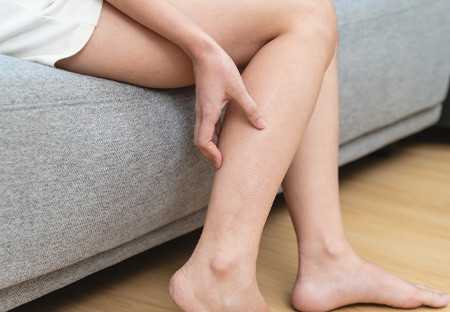
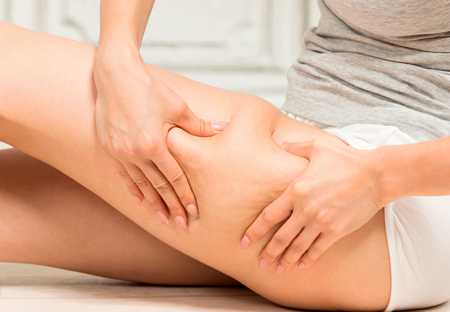
The most common symptoms are obvious: a widespread feeling of swelling (especially at the end of the day), heaviness in the lower limbs and skin that appears less toned. A widely used empirical test is the “finger test”: pressing a finger firmly on the skin (e.g. on the front of the thigh or ankle) for a few seconds, if a white mark remains and the imprint (fovea) persists for a few moments before disappearing, it is very likely to be water retention.
This happens because the accumulated fluids are displaced by the pressure. Other signs may include rapid and unjustified weight gain (even 1-2 kg in a single day) and, in the long term, the appearance of orange peel skin, as fluid retention inflames the surrounding tissues, contributing to the unsightly appearance of cellulite.

The Main Causes: Lifestyle, Diet and Hormonal Factors
Identifying the causes of water retention is essential, as it often lies in our daily habits. Although in some cases it can be a sign of more serious conditions (for which it is always advisable to consult a doctor), in most situations it is linked to modifiable factors.
A sedentary lifestyle is the number one enemy. Spending too many hours sitting or, conversely, too much time standing still slows down venous and lymphatic circulation. The “muscle pump” in the legs, which is activated by walking, is essential for pushing fluids upwards; if this is not activated, fluids tend to stagnate due to gravity.
Nutrition plays a key role: a diet that is excessively rich in sodium (found not only in table salt, but also in large quantities in processed foods, sausages, mature cheeses and snacks) causes the body to retain water to dilute the excess salt and maintain osmotic balance. Low potassium intake (essential for balancing sodium) and poor hydration also contribute to the problem.
Finally, hormonal factors have a significant impact. The imbalances typical of premenstrual syndrome, pregnancy or menopause, as well as the use of oral contraceptives, can alter capillary permeability and promote fluid accumulation. Stress and poor sleep complete the picture, increasing cortisol levels, which in turn affects the regulation of body fluids.

The Winning Strategy: Hydration, Diet and Physical Activity
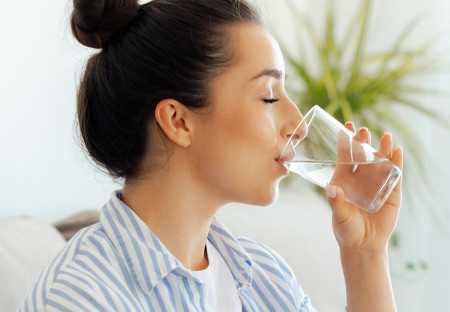
To defeat water retention, the strategy must be integrated and consistent. Let's start by dispelling a myth: you need to drink a lot, even if you feel bloated. It seems counterintuitive, but drinking the right amount of water (at least 1.5-2 litres per day) helps the kidneys work better, stimulates diuresis and promotes the elimination of excess sodium and toxins. A dehydrated body, on the other hand, tends to retain every drop of water as a defence mechanism.
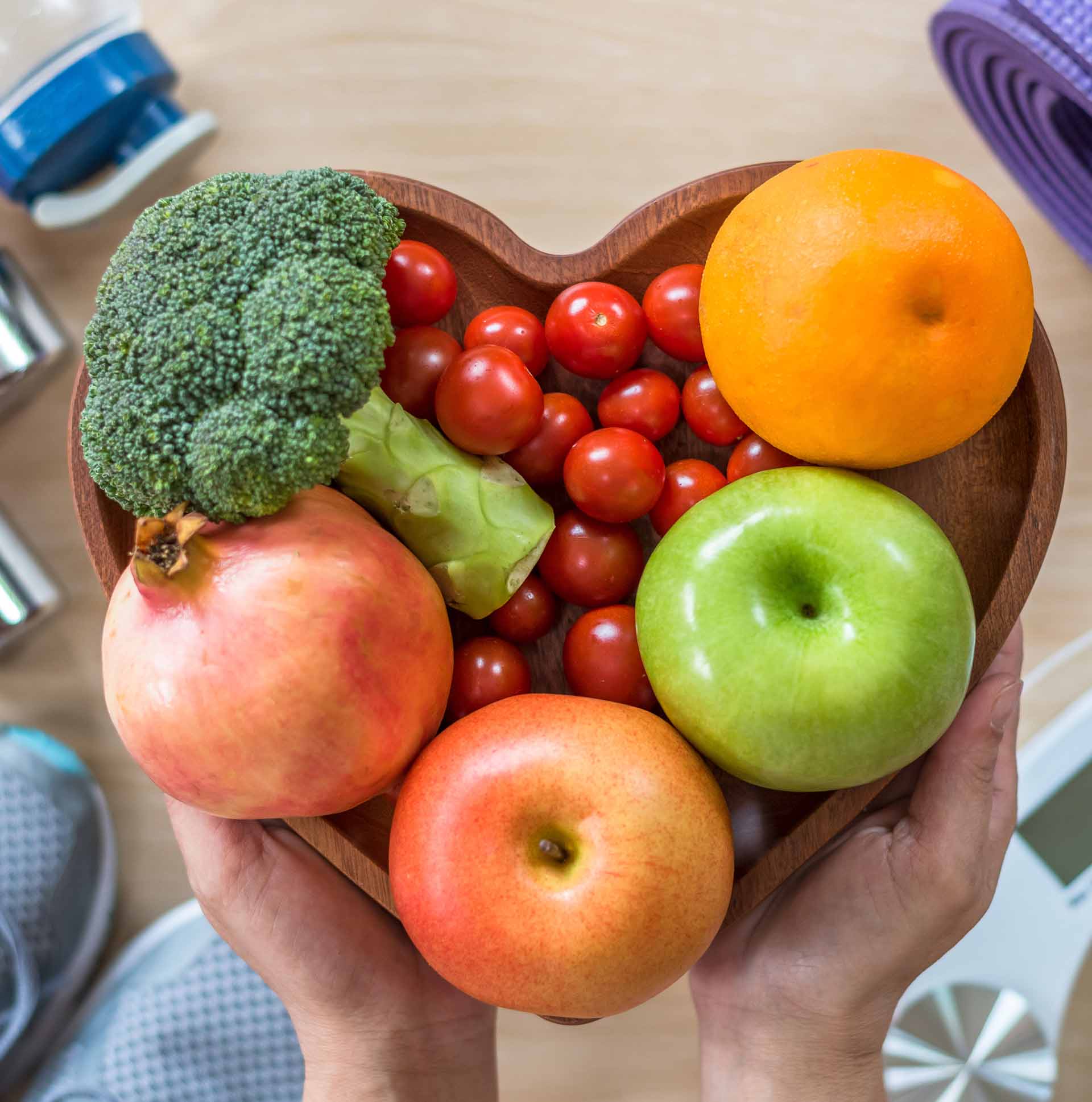
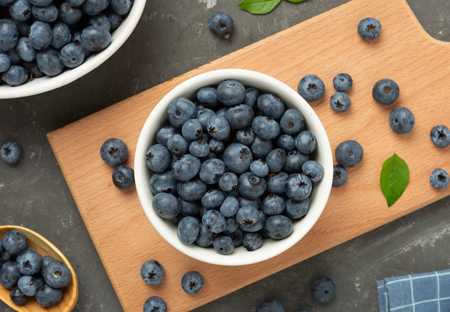
At the same time, your diet needs to be reviewed. The goal is to drastically reduce sodium intake by learning to read the labels on packaged products and choosing fresh foods. It is essential to increase the consumption of potassium-rich foods, such as bananas, avocados, spinach, sweet potatoes and legumes, which act as sodium antagonists. Green light for draining fruits and vegetables such as pineapple, watermelon, cucumbers and asparagus.
Physical activity is the engine that reactivates the entire system. You don't need a gruelling workout; in fact, high-impact activities (such as intense running) can further inflame the tissues. The ideal is constant, low-intensity aerobic activity, such as brisk walking, swimming or cycling.
These movements gently stimulate the plantar and muscular pump, reactivating microcirculation and lymphatic return without stressing the joints. Just 30-40 minutes a day is enough to see significant differences in the heaviness of the legs.
Remedies and Treatments: Help from Supplements and Cosmetics
When lifestyle, diet and exercise are aligned, we can enhance the results with targeted solutions that work from the inside and outside.
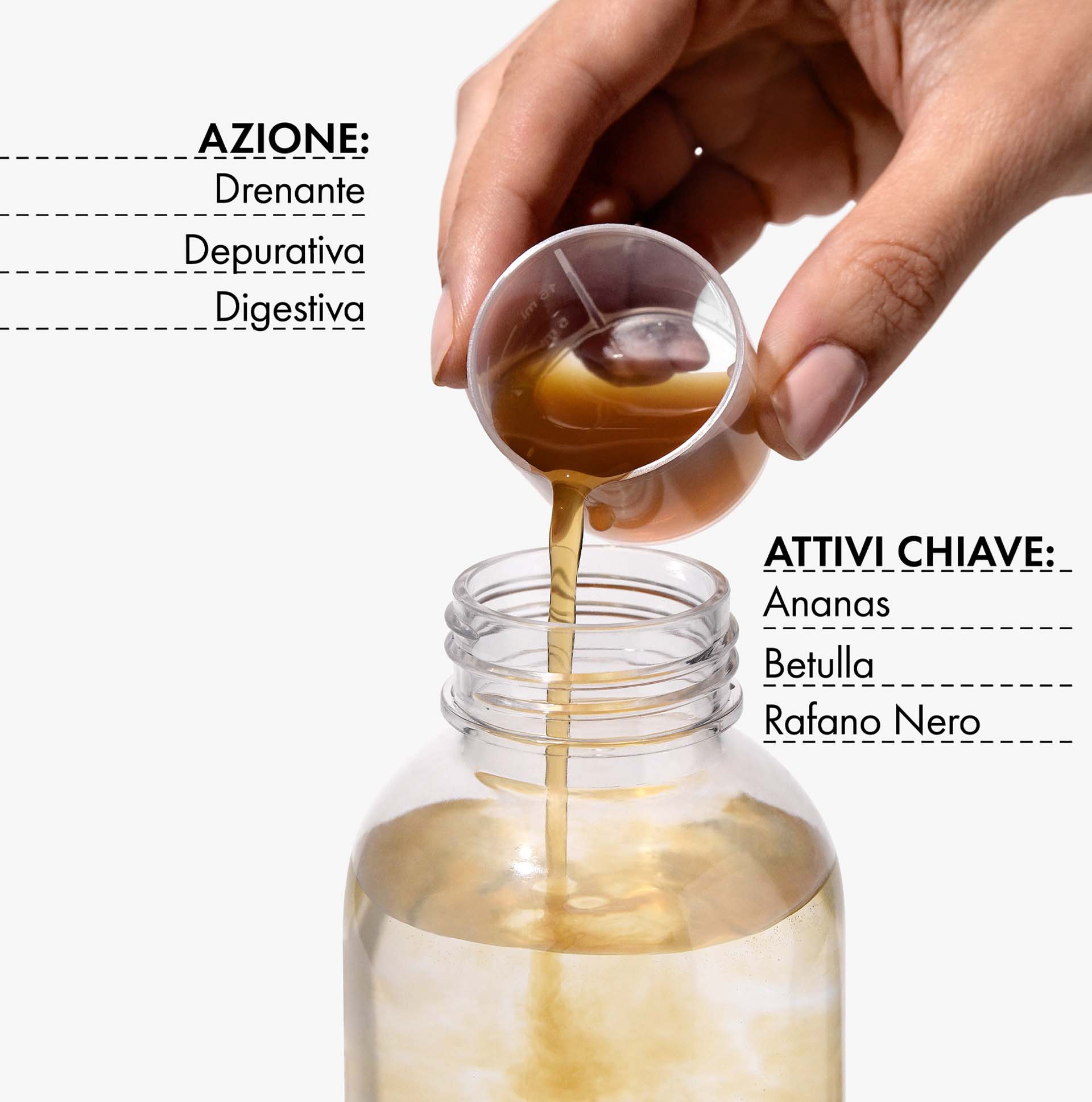
Dietary supplements offer valuable support in stimulating diuresis and supporting microcirculation function. Natural ingredients such as birch, dandelion, pineapple and black radish are known for their purifying and draining properties.
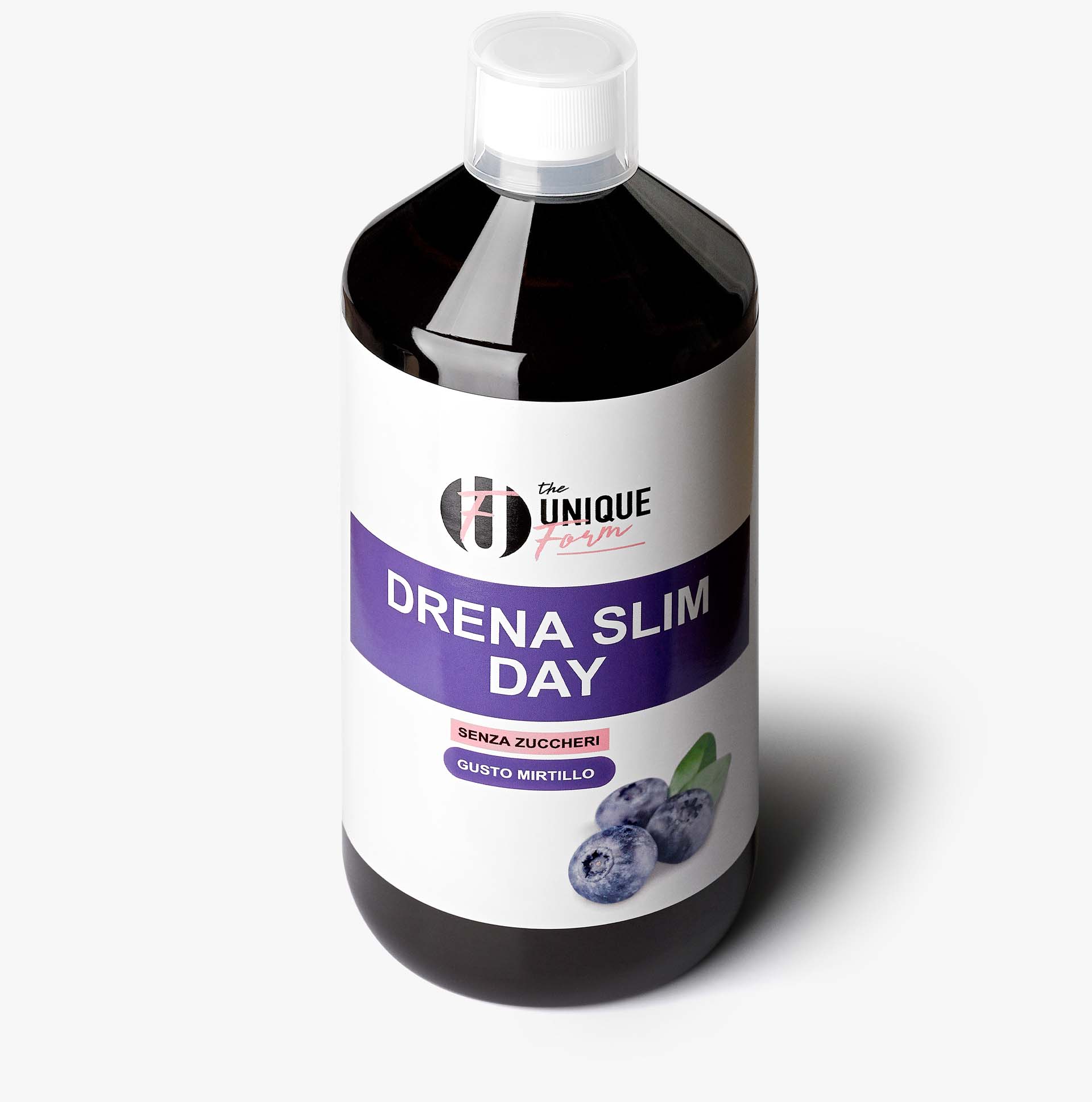
A supplement formulated with these plant extracts, such as our drena slim day, can become a daily ally in promoting the drainage of excess fluids and combating heaviness in the lower limbs. Internal action must be accompanied by external action.
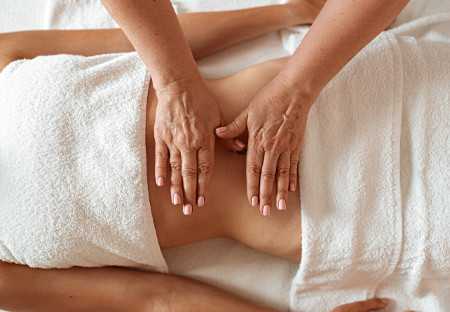
Cosmetics play a crucial role in improving the appearance of the skin and providing immediate relief. The application of specific products through massage (always from the bottom up, from the ankles to the groin) helps to mechanically mobilise stagnant fluids. For continuous action throughout the day, cosmetic clothing is an extraordinary innovation.
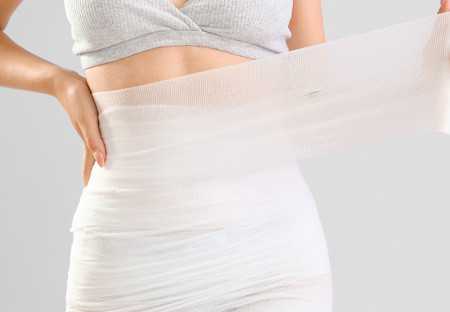
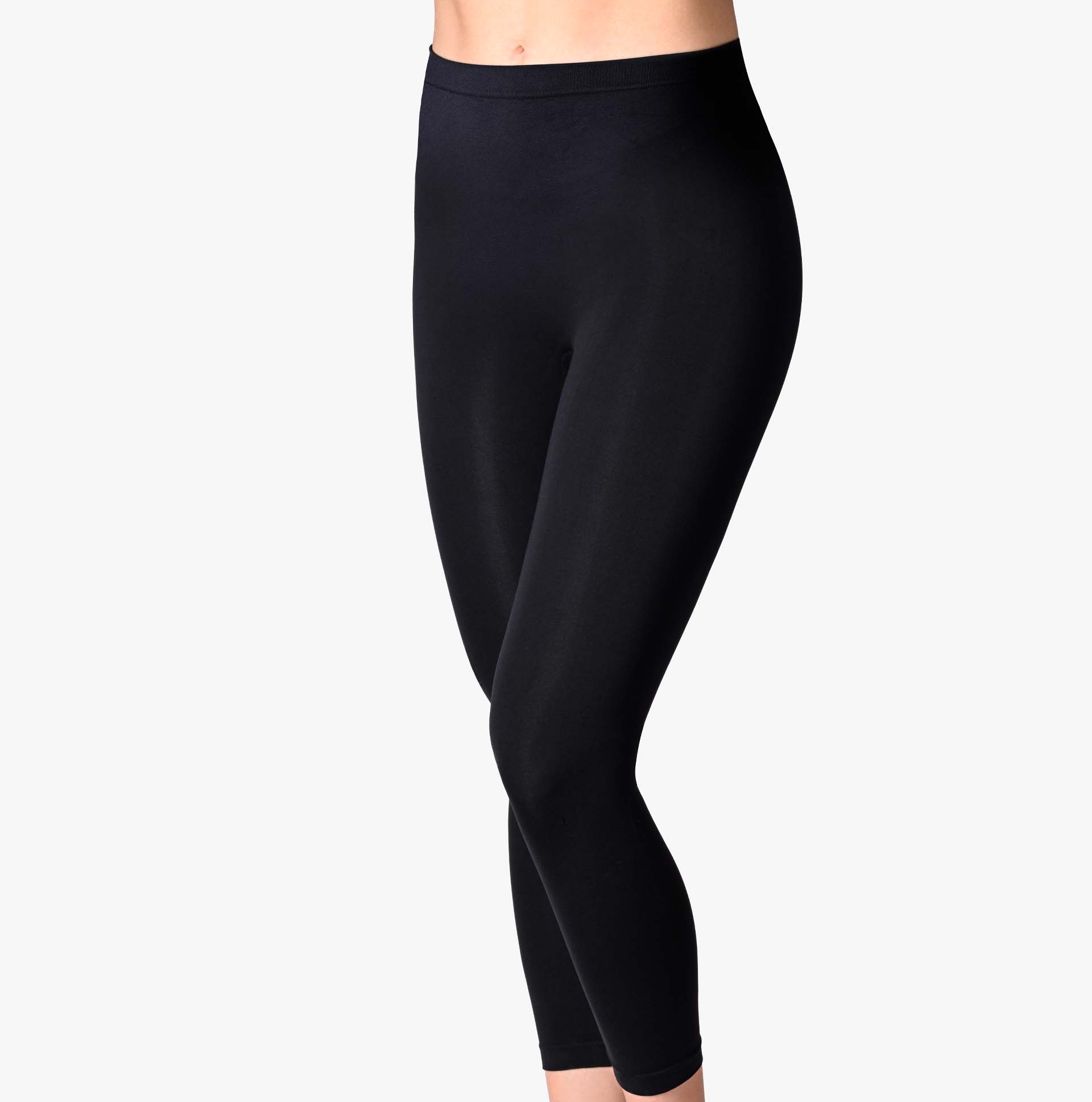
These garments, such as our massaging leggings, are designed to take advantage of the body's natural movements and help reactivate microcirculation. This support helps oxygenate the tissues and counteract the orange peel effect, restoring tone to the body.

Frequently Asked Questions (FAQ)
How long does it take to eliminate water retention?
There is no standard time, as it depends on the causes and consistency in applying the remedies. However, by adopting a low-sodium diet, increasing hydration and starting moderate physical activity, you can feel the first benefits in terms of lightness and reduced swelling after just a few days.
Does drinking lots of water really eliminate water retention?
Absolutely. Drinking water stimulates diuresis, helping the kidneys to filter and eliminate excess sodium and toxins. When you drink too little, your body goes into “economy” mode and tends to retain fluids. Water is the first and most powerful natural diuretic.
What are the worst foods for water retention?
The worst foods are those high in sodium (salt). These include packaged snacks (crisps, crackers), cold cuts and sausages, mature cheeses, tinned foods (such as tuna or unrinsed legumes), sauces (soy, ketchup) and industrial ready meals.
Does walking help to reduce swelling in the legs?
Yes, walking is one of the most effective remedies. Brisk walking activates the “muscle pump” in the calf and the “plantar pump” under the foot. These mechanisms are essential for pushing blood and lymph from the extremities towards the heart, counteracting the stagnation of fluids caused by gravity.