
Sponsor code Mobile no Tax ID code
Blog navigation

Latest posts

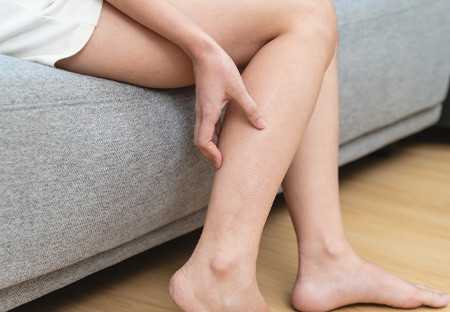
Water retention in the legs: How to drain and deflate
91 views

Persistent bloating, a feeling of heaviness that is accentuated towards the evening and tissues that appear visibly...

Read more
How to eliminate excess fluids from the body?
59 views

Fighting the accumulation of excess fluid requires a holistic approach, integrating a healthy lifestyle, a conscious...

Read more
Skin and hair at the beginning of pregnancy: what happens?
450 views

Pregnancy is a period of profound physical and emotional transformation. Among the many changes that accompany the...
Read more
Postnatal massage: benefits and when to have it
503 views

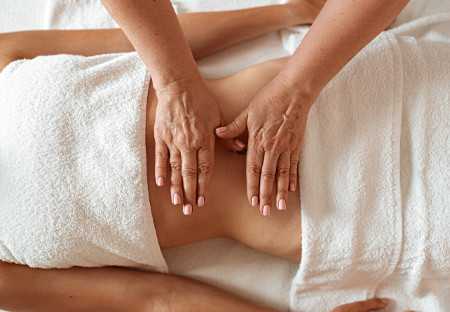
The postnatal period is one of the most delicate and transformative phases in a woman's life. After the birth of a...

Read more
How to eliminate water retention?
240 views

Swelling, heaviness in the legs, tissues that appear ‘puffy’: water retention is a common disorder that affects many...
Read more

Fighting cellulite while breastfeeding: which treatment to choose?

564 Views
 

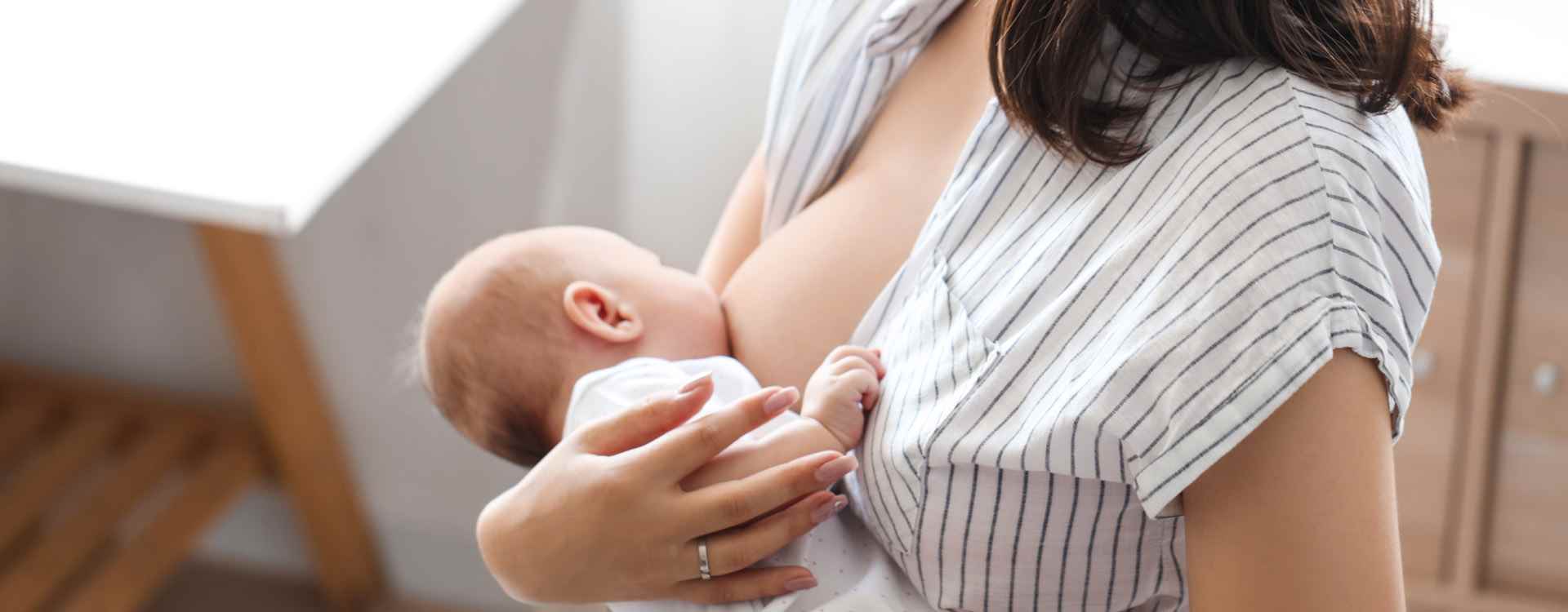
The joy of motherhood brings with it countless changes, both emotional and physical. Among these, the appearance or accentuation of cellulite is a common condition that many new mothers face.

If you are breastfeeding, you may be wondering what are safe and effective solutions to take care of your skin without risk to your baby. In this article, we will explore together how to deal with cellulite while breastfeeding, offering practical and safe tips to help you feel your best.

We at Theuniqueform.com specialise in women's wellbeing, offering a range of skincare cosmetics designed to accompany you through every stage of your life, including the delicate period of breastfeeding. Our mission is to provide you with solutions that combine efficacy, safety and high-quality ingredients, so you can take care of yourself with peace of mind.

Cellulite during breastfeeding: what to know?

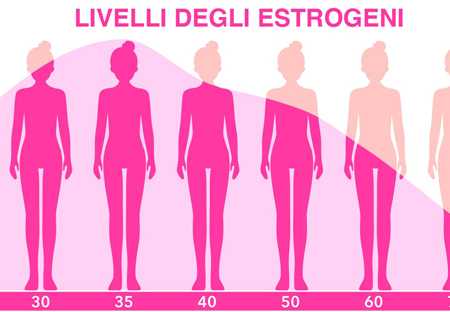
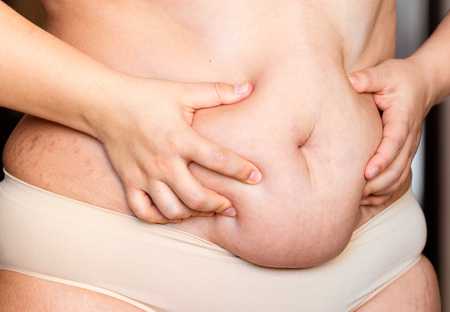
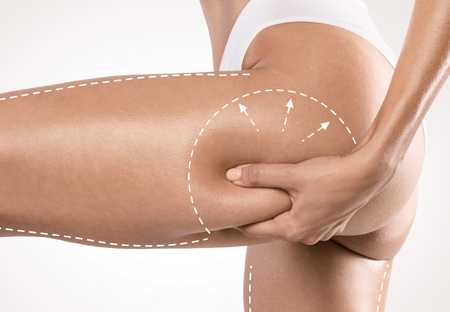
Cellulite is an alteration of the connective tissue that manifests itself with the typical "orange peel" appearance on the skin, mainly on the thighs, buttocks and abdomen. During pregnancy and breastfeeding, the body undergoes major hormonal fluctuations that can favour its appearance or worsening. Oestrogen, in particular, plays a key role in influencing microcirculation and water retention, two factors closely linked to the formation of cellulite.

It is essential to understand that cellulite in this phase is a physiological and very common condition. Weight gain during pregnancy, fluid retention and changes in body fat distribution contribute to making this blemish more noticeable. The good news is that, with the right care and the right products, it is possible to visibly improve the appearance of the skin.

Factors influencing postnatal cellulite

Several factors contribute to the onset of cellulite after childbirth. Besides the already mentioned hormonal changes, it is important to consider:

  • Weight gain: The kilos gained during pregnancy can increase the volume of fat cells, making cellulite more visible.
  • Water retention: The body tends to retain more fluid during gestation and in the early postnatal period, causing swelling and a worsening of microcirculation.
  • Sedentariness: Fatigue and the new rhythms imposed by caring for a newborn can lead to a reduction in physical activity, resulting in slower blood and lymphatic circulation.
  • Stress: Stress levels can affect hormone balance and contribute to a worsening of skin imperfections.
  • Nutrition: An unbalanced diet high in salt and sugar can promote water retention and tissue inflammation.

Becoming aware of these factors is the first step towards targeted and conscious action.

Safe draining products for new mothers

During breastfeeding, the choice of cosmetic products requires special attention. It is essential to opt for safe formulations that are free of ingredients that could be absorbed and pass into breast milk. To combat water retention and improve the appearance of the skin, products with draining action are a good help.

It is advisable to choose creams, gels or mud baths formulated with ingredients of natural origin and safe for this period. Active ingredients include plant extracts such as birch, red vine and centella asiatica, known for their draining and circulation-stimulating properties. These ingredients help reduce swelling and improve skin tone.

A product such as our Extra Draining Mud Gel can be a practical and safe solution, thanks to its formula that does not require rinsing and targets water retention.

Nutrition and hydration: allies against water retention

A healthy diet and proper hydration are key pillars in combating cellulite, especially during breastfeeding. Drinking plenty of water, at least 1.5-2 litres a day, is essential to encourage the elimination of excess fluids and toxins.

The diet should be rich in seasonal fruit and vegetables, valuable sources of vitamins, minerals and antioxidants. It is important to limit the consumption of salt, which promotes water retention, and processed and sugar-rich foods. Incorporating draining foods such as pineapple, cucumbers and fennel into your diet can help deflate tissues.

For additional support, consider specific fluid-draining supplements such as Aloe Day Plus - Lemon, formulated to promote the elimination of excess fluid.

Postnatal physical activity: recommended exercises

Physical exercise, if practised gradually and after obtaining the go-ahead from your doctor, is a panacea for reactivating the circulation and toning the muscles. Timing is crucial: generally you can start with light activities 6-8 weeks after natural childbirth, while in the case of a caesarean section it is advisable to wait 10-12 weeks. It is not necessary to undergo exhausting training sessions; even a simple brisk walk of 30 minutes a day can make all the difference, improving lymphatic circulation and promoting fluid drainage.

While breastfeeding, it is important to consider a few specific precautions: always use a quality sports bra for adequate support, stay well hydrated by drinking water before, during and after your workout, and prefer low-impact activities to avoid undue stress on your still-recovering body.

  • Yoga and Pilates: Improve posture, flexibility and muscle tone, with a gentle, body-friendly approach. They are particularly good for counteracting neck and shoulder tension caused by breastfeeding positions. Start with sessions of 15-20 minutes and increase gradually.
  • Kegel exercises: Essential for strengthening the pelvic floor, which is put to the test during pregnancy and childbirth. Perform 3 sets of 10 contractions, holding each contraction for 5-10 seconds, several times during the day.
  • Lunges and squats: They help tone the legs and buttocks, the areas most affected by cellulite. Start without additional weights, concentrating on the correct execution of the movement. For squats, keep your feet shoulder-width apart and descend as if you were sitting on an invisible chair.

Practical tip: many exercises can be done at home while the child sleeps or plays. Create a flexible routine that adapts to your new rhythm, remembering that even 10-15 minutes of daily movement is better than nothing.

The important thing is to listen to your body and proceed step by step, without forcing. If you experience pain, bleeding or excessive tiredness, stop the activity and consult your doctor.

FAQ

Can anti-cellulite creams be used while breastfeeding?

Yes, but it is essential to choose products specifically formulated for this period or that contain safe ingredients. It is always advisable to read the INCI carefully and, if in doubt, consult your doctor.

How can I get rid of cellulite while breastfeeding?

Eliminating cellulite completely is difficult, but you can greatly improve its appearance through a combined approach: a balanced diet rich in liquids, moderate and constant physical activity, and the use of safe cosmetic products specifically for breastfeeding.

Can drinking more water really reduce cellulite while breastfeeding?

Many new mothers wonder whether increasing water intake can be a simple and effective remedy against cellulite. It is important to clarify that hydration alone is not sufficient to completely eliminate this unsightly blemish, which depends on several factors such as hormones, diet, lifestyle and genetic predisposition. However, drinking the right amount of water every day, about 1.5-2 litres, helps drain excess fluid, improves circulation and helps the body eliminate toxins and metabolic waste.