Understanding one's own body is the first step towards well-being and rediscovering one's own beauty. Often, imperfections such as cellulite are treated generically, without considering the underlying causes that lead to its appearance. Among these, hormonal imbalances play a leading role.
We at TheUniqueForm have dedicated years of research to the study of targeted solutions to accompany you on a path of conscious transformation. We believe in a synergetic approach, where each element contributes to achieving your goal.
From targeted reshaping creams to dietary supplements, from innovative cosmetic clothing to functional skincare, each of our formulations is designed to deliver visible and lasting results by getting to the root of the problem.
In this article, we will explore together the nature of hormonal cellulite, to understand how to recognise it, what causes it and, above all, what effective strategies to adopt to combat it.
What is hormonal cellulite and how to recognise it
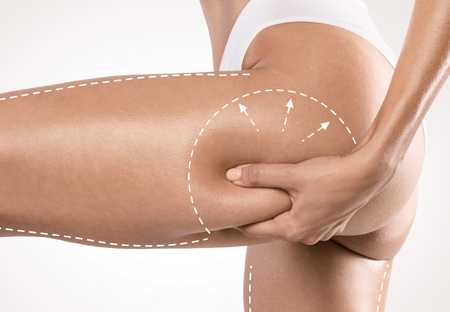
Cellulite, scientifically known as Edematous Fibro-Sclerotic Panniculopathy (PEFS), is an alteration of the subcutaneous tissue that manifests itself with the characteristic 'orange peel' appearance. However, not all cellulite is the same. Hormonal cellulite is a variant closely linked to fluctuations in female hormones, particularly oestrogen. But how can it be distinguished?
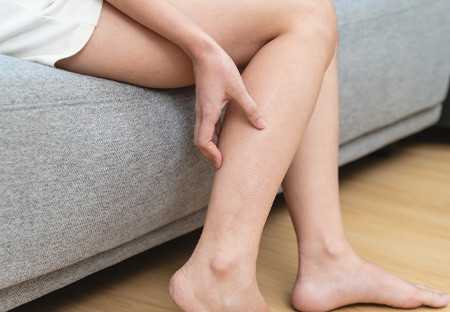
Unlike oedematous cellulite (mainly caused by water retention) or fibrous cellulite (harder and more painful to the touch), hormonal cellulite tends to occur at specific times in a woman's life, such as puberty, pregnancy, the premenstrual period or menopause. It is typically located on the thighs, buttocks, hips and sometimes on the abdomen. To the touch, the skin may appear slightly swollen and more sensitive.

Another distinctive sign is its tendency to worsen when taking oral contraceptives or during hormonal therapies. Recognising it is crucial, as it requires a targeted approach that does not just treat the blemish on the surface, but acts in depth to rebalance the body.
Main causes of hormonal cellulite
Although the hormonal component is the primary driver, its action is often amplified by a series of concauses that create the fertile ground for the development of the blemish. Understanding these factors is essential for building a comprehensive and effective attack strategy.
One of the main causes is related to microcirculation. An inefficient venous and lymphatic circulatory system leads to stagnation of liquids and toxins in the tissues. This 'intoxicated' environment promotes inflammation of the subcutaneous fatty tissue, triggering the process that leads to the formation of cellulite.
Genetic predisposition also plays a role. If there is a family history of cellulite or capillary fragility, it is more likely to develop this blemish.
Added to this is a sub-optimal lifestyle: an unbalanced diet rich in sugar, salt and saturated fats, a sedentary lifestyle, smoking and excessive consumption of alcohol all contribute to worsening the body's general inflammatory state and slowing down the metabolism, favouring the accumulation of fat and water retention.
Finally, chronic stress is a silent enemy: it causes the body to produce cortisol, the stress hormone, which in turn can alter the hormonal balance and promote the accumulation of fat, especially in the abdominal area.
Hormonal factors influencing the formation of cellulite
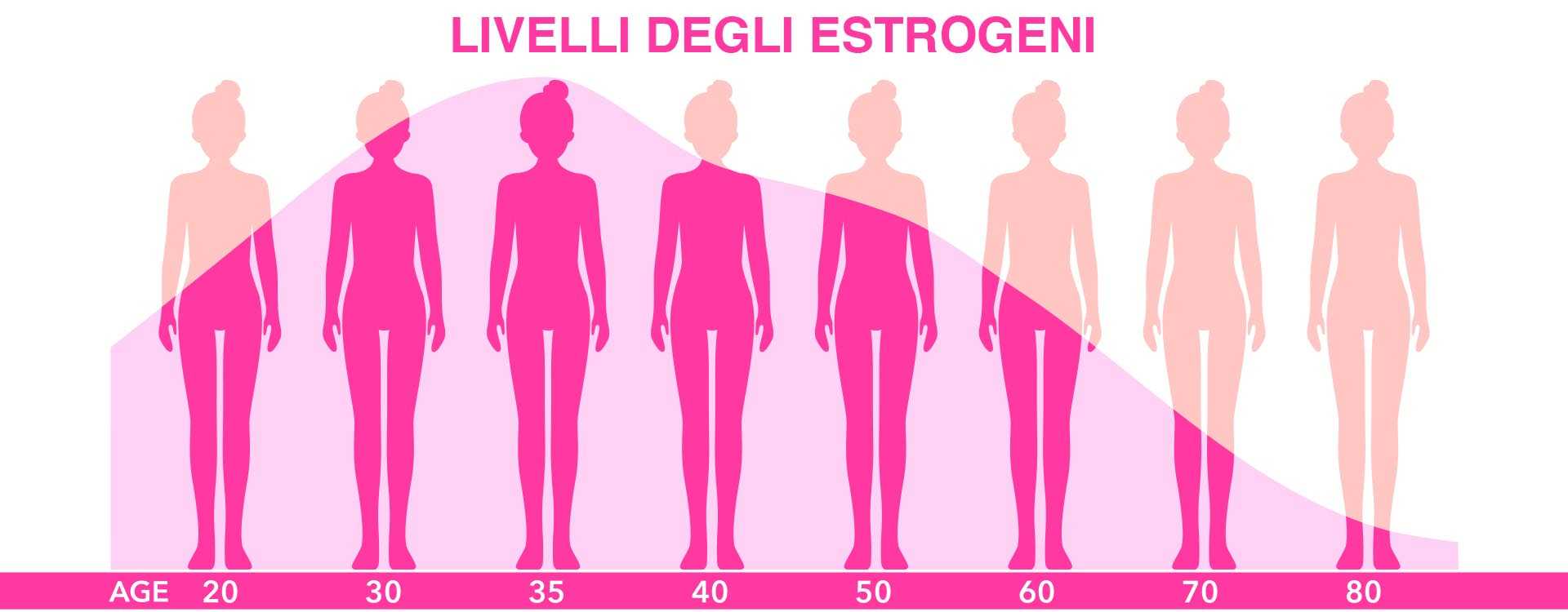
Let us now get to the heart of the problem. The complex dialogue between our hormones. Oestrogens, the main female hormones, are the main culprits. When their levels are high or fluctuate greatly, they tend to favour fluid retention and an increase in the volume of fat cells (adipocytes). They can also weaken the walls of blood vessels, worsening microcirculation and making tissues more prone to inflammation and oedema.
This explains why cellulite often appears or worsens during phases of life characterised by oestrogen peaks. Other hormones play an equally important role. Progesterone also plays a role, influencing capillary permeability and enhancing the effect of oestrogen on water retention.
Another hormone that should not be underestimated is insulin, produced in response to sugar intake. Chronically high levels of insulin promote fat accumulation (lipogenesis) and inflammation, two key processes in the development of cellulite.
Finally, as already mentioned, cortisol promotes fat accumulation and can also lead to the degradation of collagen, the protein that gives skin tone and elasticity, making the blemish even more noticeable. A delicate balance that, once altered, requires holistic intervention to be restored.

Remedies to counter hormonal cellulite
Tackling hormonal cellulite means adopting an all-round strategy that combines an external 'shock' action with deep internal support. Our philosophy is based precisely on this synergy, combining cosmetic innovation, functional integration and advanced textile technologies.
The first step is to act locally with specific cosmetics. The most effective formulations are those that contain active ingredients capable of stimulating microcirculation, favouring the drainage of liquids and promoting lipolysis (the fat-dissolving process). Through our research, we have selected powerful natural ingredients that work in harmony with the skin to reduce the orange-peel appearance and improve skin firmness.
In parallel, it is crucial to work from within. Targeted food supplements are an indispensable support. Formulations based on plant extracts such as centella asiatica, pineapple, birch or red vine help improve microcirculation and drain excess fluid. Other components can support fat metabolism and provide antioxidants to combat oxidative stress and inflammation, acting directly on the internal causes of blemishes.
For continuous and discreet action throughout the day, we have developed cosmetic clothing. These are innovative garments made from special yarns that, in contact with the skin, gradually release active ingredients and use body heat to stimulate microcirculation. Wearing leggings or cosmetic shorts during daily activities or training turns into a true ongoing beauty treatment, enhancing the effects of creams and supplements.
Recommended diet to balance hormones
Nutrition is the key to bringing the hormonal axis back into balance. It is not about following punitive diets, but making conscious choices that nourish the body and fight inflammation. It is essential to drastically reduce simple sugars, refined flours and processed foods, which cause insulin spikes. Instead, give way to complex, whole-grain carbohydrates (oats, quinoa, brown rice), which release energy slowly.
Include in every meal a source of lean protein (white meat, fish, pulses) and abound with green leafy vegetables, rich in fibre and antioxidants. Good' fats, such as those found in avocados, nuts, seeds and extra virgin olive oil, are essential for hormone production and keeping the skin supple. Don't forget to drink plenty of water during the day to encourage diuresis and the elimination of toxins.
For those looking for a practical and nutritionally balanced solution, our slim meals are a smart choice. They are formulated to provide all essential nutrients with a controlled calorie intake and low glycaemic index, helping you manage your weight and stabilise insulin levels without sacrificing taste. Integrating these meals into your weekly routine can simplify your path to hormonal rebalancing, giving your body exactly what it needs to fight cellulite from within.

Faq - Questions and Answers:
What is the difference between hormonal cellulite and water retention?
Hormonal cellulite is linked to imbalances in oestrogen, progesterone and cortisol, which slow down the microcirculation and encourage fluid and fat retention in critical areas (thighs, buttocks, hips, abdomen). It often appears during phases of hormonal change such as puberty, pregnancy or menopause.
Water retention, on the other hand, is a temporary accumulation of fluid due to factors such as excess salt, sedentariness, heat or dehydration and tends to recede when the cause is eliminated.
How to tell if cellulite is hormonal?
It tends to increase at times of hormonal changes (puberty, pregnancy, pre-menopause, menopause) and is localised mainly on the thighs, buttocks, hips and sometimes abdomen. It may increase with the use of contraceptives or hormonal therapies. The skin appears more sensitive or swollen and the disorder tends to be cyclical, requiring a targeted approach to internal rebalancing.
What is the best sport for reducing hormonal cellulite?
Sports that improve circulation and tone the muscles, such as brisk walking, swimming, water aerobics, cycling or light running, are indicated. The ideal is to combine them with targeted exercises (squats, lunges, elastic bands) 3-4 times a week, with stretching or gentle disciplines such as yoga and pilates to improve posture and reduce stress.