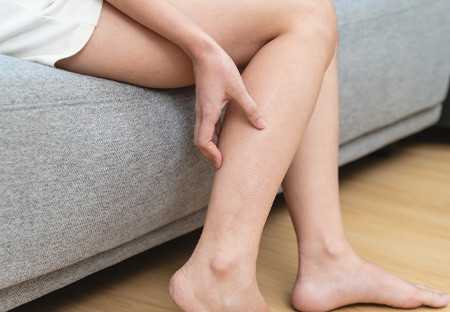
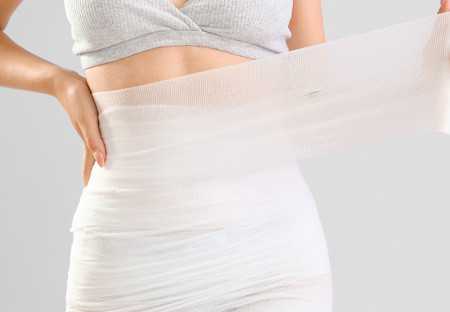
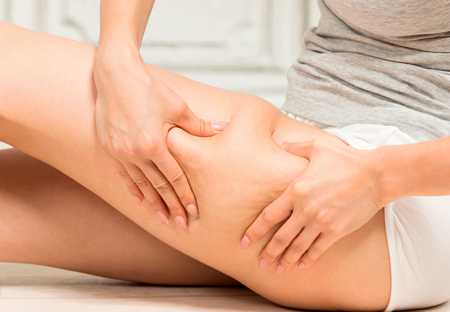
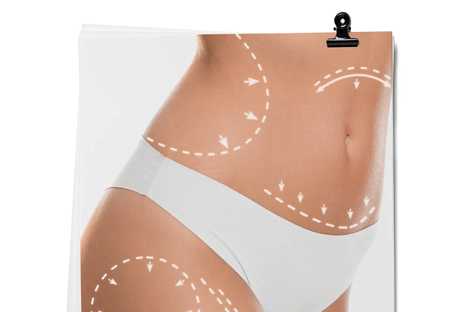
Water retention is a fairly common phenomenon, especially among women, and consists of the accumulation of fluid in the spaces between cells, particularly in the peripheral areas of the body such as the legs, ankles, buttocks and abdomen. This accumulation can cause swelling, a feeling of heaviness and visible changes in the skin, such as the well-known “orange peel” effect. Water retention is often closely linked to the appearance of cellulite. There are many causes of water retention. One of the most common is the slowing of venous and lymphatic circulation, which prevents the body from draining excess fluids properly. Hormonal imbalances – such as those typical of the premenstrual phase, pregnancy or menopause – also play an important role. Other factors that can have a negative influence are a sedentary lifestyle, a diet high in sodium and low in fibre, stress, prolonged use of medications such as contraceptives and, last but not least, alcohol or tobacco abuse. Combating water retention is not impossible. In fact, significant results can be achieved by taking action on several fronts. One of the most effective and natural methods is physical activity, especially that which involves the lower limbs and stimulates the muscle pump and lymphatic system.
Benefits of running to combat water retention
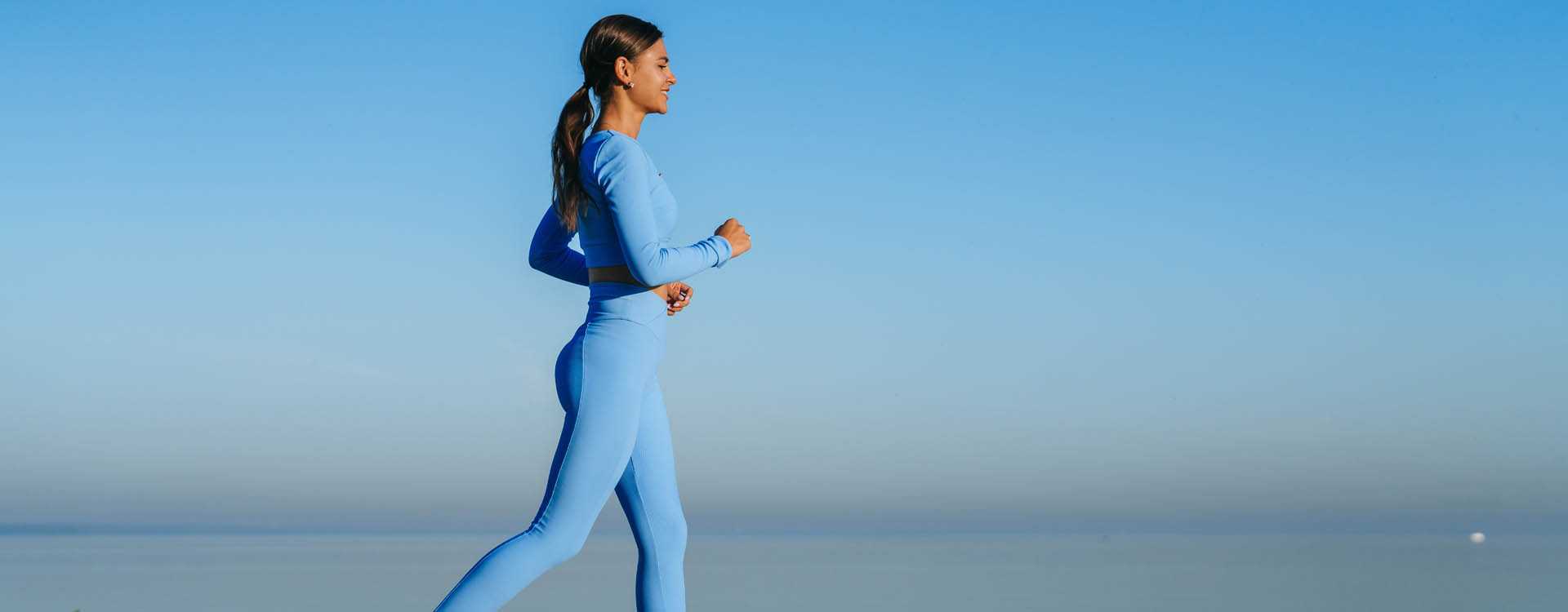
Running, if done methodically and gradually, is a powerful ally against water retention. During running, the body sets the entire lower limb musculature in motion, activating the lymphatic system and promoting venous return. The muscles act as a natural pump that pushes blood towards the heart, counteracting fluid stagnation. One of the most appreciated effects of regular running is the visible improvement in the appearance of the skin, especially on the thighs and buttocks. It is not uncommon to read testimonials from people who say they have noticed a significant reduction in cellulite thanks to the introduction of running into their routine, so much so that there are more and more articles online with titles such as “running and cellulite: positive experiences”. However, it is essential to clarify that running must be practised intelligently. Excessively intense activity or running on unsuitable surfaces, such as asphalt or hard ground, can cause inflammation and worsen the situation, especially if you already have circulatory problems. In these cases, a paradox can occur: the body, under stress, reacts by retaining more fluid, and the legs can appear swollen, tired and sore. For this reason, it is advisable to start with short sessions of light running, preferably on soft ground such as trails or tracks, and to monitor the body's reactions carefully. Regularity is much more effective than intensity. Alternating running days with active recovery days, such as stretching or a light walk, helps to amplify the positive effects on circulation without overloading the body.
Brisk walking: an ally against leg swelling
While running can sometimes be challenging, brisk walking is an excellent option that is accessible to everyone and particularly suitable for those who suffer from water retention. Walking briskly, maintaining a steady pace and engaging your arms and legs, has a direct impact on improving lymphatic and venous circulation. Unlike running, brisk walking is a low-impact activity. This means that it is much more tolerable for those with joint problems, those who are overweight or those who are not particularly fit. Despite this, it is extremely effective. Many people report with satisfaction that they have improved their cellulite simply by introducing a half-hour walk into their daily routine. The phrase “I got rid of cellulite by walking” is therefore no exaggeration. Walking every day, even for just 30 minutes, can improve cardiovascular health, speed up metabolism and promote fluid drainage. When practised outdoors, perhaps early in the morning or late in the afternoon, it can also help reduce stress and improve mood, factors that are also involved in managing water retention. Walking also offers great flexibility. It can be done anywhere: in the city, in the countryside, in the park or even on a treadmill. In the latter case, the incline of the treadmill can simulate hills and stimulate the muscles and circulation more, making the treadmill an excellent tool for fighting cellulite.

Differences between running and walking to combat water retention
Running and walking are both effective strategies for combating water retention, but there are substantial differences between them that are useful to know in order to choose the activity that best suits your needs. Running is a more intense activity that requires a certain degree of physical preparation and can offer quick results in terms of activating the metabolism and improving muscle tone. However, due to its intensity, it may not be suitable for everyone, especially if practised without proper guidance or without a warm-up and cool-down phase. Walking, on the other hand, is much more accessible and sustainable in the long term. Although the effects are more gradual, walking every day can lead to steady improvements without the risk of inflammation or muscle overload. For those starting from a sedentary lifestyle or who are overweight, brisk walking is undoubtedly the best choice to start with. Those who have the time and opportunity can reap the maximum benefits by alternating both activities during the week. The important thing is to listen to your body, vary the intensity and always ensure a good recovery.
How to set up an effective workout to drain fluids?
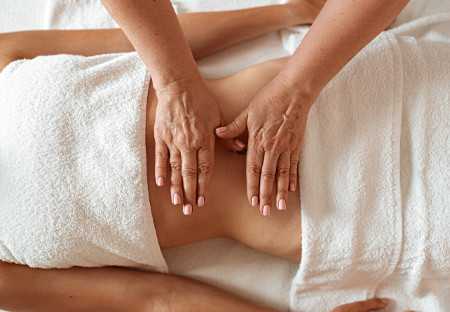
To effectively drain fluids and combat water retention, sporadic exercise is not enough. You need a proper routine, designed intelligently and followed consistently. A drainage workout should include a combination of aerobic exercises, such as running, walking or cycling, and targeted exercises to strengthen the muscles of the legs and glutes, the areas where fluid retention is most common. The optimal frequency varies depending on your level of training, but in general, it is advisable to exercise at least five days a week. Even just 30 minutes a day can make a difference, especially when combined with proper nutrition and hydration. Water is an essential ally: drinking at least two litres a day helps eliminate toxins and stimulate diuresis. The treadmill is also very useful, both for beginners and those who want to train at home. Walking or running on a treadmill, especially with a slight incline, can stimulate the muscles deeply and facilitate lymphatic drainage. Bodyweight exercises, such as squats, lunges and functional movements, are also excellent for activating the metabolism in the legs and improving the appearance of the skin. Finally, it is important not to neglect recovery. Stretching, yoga and draining massages can further increase the effectiveness of training, promoting muscle relaxation and the mobilisation of stagnant fluids.

A natural ally: Caffè Slim by The Unique Form
Alongside physical activity and a balanced diet, there are natural solutions that can enhance results and make the journey towards lighter, more toned legs even more effective. Among these, Caffè Slim by The Unique Form stands out, an innovative instant supplement that combines the taste of coffee with ingredients known for their draining and metabolic properties. Caffè Slim is a soluble drink to be consumed in the morning, designed to stimulate fluid drainage and promote lipid metabolism. Its formula contains green coffee, garcinia cambogia, green tea, dandelion and maté, ingredients selected for their combined effect against swelling, heaviness and water retention. Taken regularly, preferably before a walk or light workout, this supplement can enhance the effect of physical activity and contribute to a more defined silhouette. It is particularly useful as part of a healthy lifestyle, where diet and exercise are the cornerstones. For more information, please consult the product sheet: Caffè Slim.

Conclusion
Water retention is a common but far from inevitable condition. Tackling it requires an integrated approach that combines regular physical activity, healthy eating habits, good hydration and, if necessary, the use of specific products. Both running and brisk walking can play a central role in the strategy against fluid retention and cellulite. The important thing is to adapt your training to your physical condition, alternate activities and proceed with consistency. Even just walking for 30 minutes a day can have an extraordinary impact on the well-being of your legs and your overall lightness. And with the help of a natural ally such as Caffè Slim by The Unique Form, you can support this process in a pleasant and natural way. The secret is not to give up, but to choose the best for your body every day.