
Water retention or cellulite, that is the dilemma!
When you look at yourself in the mirror, you often confuse these two skin imperfections, mix them up or consider them as if they were the same thing… but that’s wrong!
Did you know that there are differences between cellulite and water retention?
Let’s start from the basics…
What is water retention
Water retention, also known as edema, occurs when the body retains and accumulates excess fluids in the tissues.
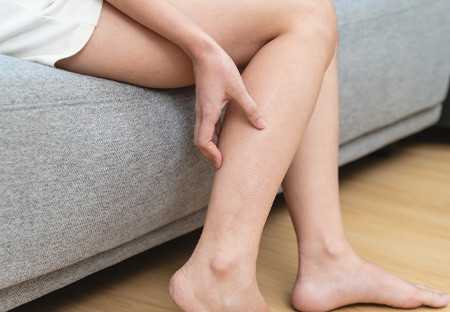
This can mainly occur in the legs and ankles, but not only.
The causes of water retention can be multiple, including:
- microcirculation dysfunctions
Poor circulation can cause fluid retention in the tissues.
- Hormonal fluctuations
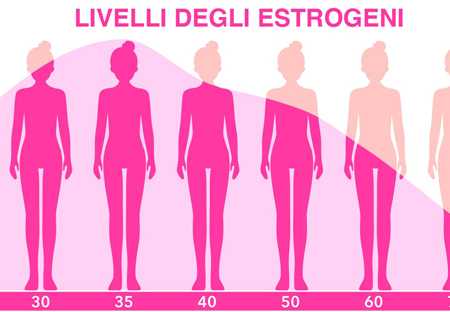
Changes in hormone levels, such as those that occur during the menstrual cycle or pregnancy, can affect water retention.
- Lifestyle
A diet high in sodium, low water intake, lack of physical activity, excessive alcohol consumption and a sedentary lifestyle can contribute to water retention.
Common symptoms of water retention include: swelling, a feeling of heaviness in the legs, tight skin and tingling.
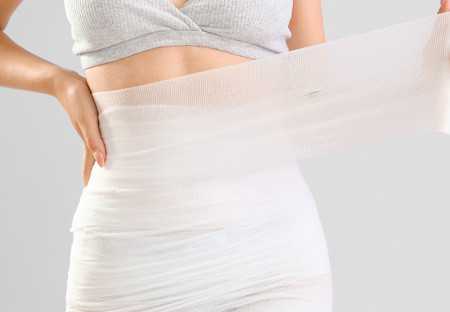
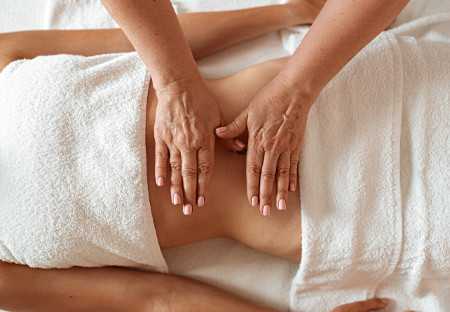
Although water retention can be uncomfortable, it is usually not associated with pain and can be managed with lifestyle changes and specific treatments such as:
What is cellulite
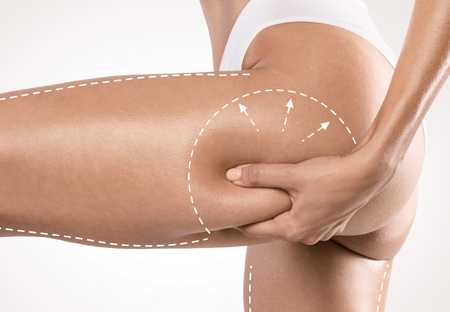
Cellulite, on the other hand, is a condition characterized by the presence of fat deposits under the skin, which cause an uneven, "orange peel" appearance.
Cellulite forms when fatty tissues push through the connective tissue under the skin, creating an uneven surface.
The causes of cellulite may include:
- genetics
Genetic predisposition can play an important role in the development of cellulite.
- Gender and Age
Women are more prone to developing cellulite than men, and its incidence increases with age.
- Lifestyle
An unbalanced diet, little physical activity, smoking and excessive alcohol consumption can contribute to the formation of cellulite.
Cellulite is more common on the thighs, buttocks and abdomen, but it can also occur in other parts of the body.
In addition, it may be accompanied by a sensation of pain or increased sensitivity in the affected area.
The orange peel effect can also be counteracted through an improvement in lifestyle and the use of targeted products such as:
How to tell if it’s cellulite?
From theory to practice.
There are some simple and quick tricks to understand whether your issue/imperfection is related to water retention or cellulite.
In both cases, don’t despair, we remind you that these imperfections are part of the female package!
Here are three tests to do at home to distinguish water retention from cellulite:
-
press a finger on the affected area of skin for a few seconds
Does a white mark remain? This is water retention (or did you get badly sunburned?).
-
Pinch a small piece of skin between your fingers
Do you see dimples? Then it could be the beginning of cellulite.
-
Run two fingers from bottom to top applying light pressure
If a slight groove remains for a few seconds and you feel small nodules while moving, it is cellulite.
-
Do your legs swell from time to time? Is the color of your legs uneven and do you see red areas? Are some areas colder than others?
It could be caused by water retention.
-
Does your skin have a rubbery/spongy texture?
It could be caused by water retention.
-
Does the color of your legs look mottled (red/white)?
Then it’s cellulite!
-
Do you feel pain when pressing and are your thighs often cold and swollen?
Then it’s cellulite!
-
Chronic feeling of heaviness?
Damn water retention!
Cellulite, however, is often preceded by water retention, as the body retains excess fluids, promoting the accumulation of toxins that contribute to the formation of the typical "orange peel" texture.
Acting promptly is definitely the wisest decision to counter these aesthetic imperfections and prevent cellulite from progressing to more advanced stages, which are more complex to treat.
Discover on The Unique Form all the alternatives and solutions to give relief to your legs and help you feel better.