
Sponsor code Mobile no Tax ID code
Blog navigation

Latest posts

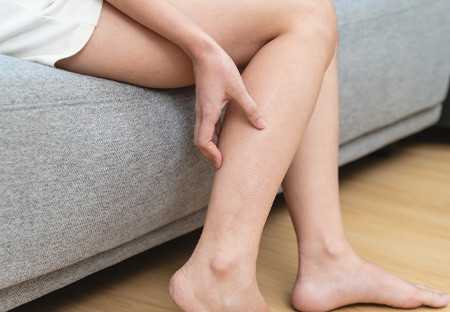
Water retention in the legs: How to drain and deflate
91 views

Persistent bloating, a feeling of heaviness that is accentuated towards the evening and tissues that appear visibly...

Read more
How to eliminate excess fluids from the body?
59 views

Fighting the accumulation of excess fluid requires a holistic approach, integrating a healthy lifestyle, a conscious...

Read more
Skin and hair at the beginning of pregnancy: what happens?
450 views

Pregnancy is a period of profound physical and emotional transformation. Among the many changes that accompany the...
Read more
Postnatal massage: benefits and when to have it
504 views

The postnatal period is one of the most delicate and transformative phases in a woman's life. After the birth of a...
Read more
How to eliminate water retention?
240 views

Swelling, heaviness in the legs, tissues that appear ‘puffy’: water retention is a common disorder that affects many...

Read more

Water Retention: Causes and Effective Remedies

102 Views
 

Water retention is a common problem that can cause discomfort and a feeling of swelling in various parts of the body.

But what exactly is water retention that we hear so much about? What are its causes and how can it be remedied?

Here are some clarifications and tips for you!

What is water retention?

From a scientific point of view, water retention, also known as edema, is an abnormal accumulation of fluids in body tissues.

This phenomenon can occur when there is an imbalance in the mechanisms that regulate body fluids.

Normally, in fact, the lymphatic system and the circulatory system work simultaneously to maintain adequate fluid balance, allowing fluids to be properly filtered and drained, but various factors can interfere with these physical dynamics, leading to an accumulation of so-called “excess fluids”.

The causes of this “malfunction,” which leads to water retention, can therefore be many: for example circulatory problems, hormonal alterations, a diet high in sodium, lack of physical activity, kidney injuries or diseases, varicose veins, etc…

From a physiological point of view, water retention can arise due to an increase in hydrostatic pressure in blood vessels, a decrease in plasma oncotic pressure (which favors the return of fluids into the blood vessels), or an increase in vascular permeability, which allows fluids to leak out of the vessels and accumulate in the surrounding tissues.

In summary, water retention is the result of a complex “glitch” in the body’s fluid regulation mechanisms, which can be influenced by multiple physical, physiological and/or environmental factors.

Let us therefore analyze the most common causes.

What causes water retention?

Water retention can be attributed to several factors, including:

  • poor blood circulation and circulatory problems, such as varicose veins.
  • Hormonal alterations or even simple fluctuations, such as those that occur during the menstrual cycle or pregnancy.
  • Excess sodium in the diet.
  • Sedentary lifestyle and lack of physical activity.

Even small daily habits related to lifestyle can therefore have a significant impact on water retention.

For example, increasing physical activity with regular exercise, limiting the consumption of foods high in sodium, staying fit and controlling weight are all actions that can help reduce the onset of water retention.

One of the most common and feared questions, however, is…

How much water should you drink per day to avoid water retention?

Contrary to what one might think, drinking more water can actually help prevent water retention.

The amount of water needed per day can vary from person to person based on several factors, including age, weight, level of physical activity, climate and individual health status.

However, a commonly recommended general guideline is to drink at least 8 glasses of water a day, equal to about 2 liters.

The “8x8 rule”, which encourages people to “drink 8 glasses of water a day,” can therefore also be useful for eliminating excess fluids because drinking more water stimulates diuresis, promotes hydration (when the body is well hydrated it is less likely to retain fluids), counteracts retention due to dehydration and helps balance sodium, diluting it and maintaining optimal sodium-fluid balance.

What discomfort does water retention cause? The symptoms

Water retention can therefore manifest itself in the form of:

Which areas are affected by water retention?

The aforementioned symptoms of water retention mainly appear in:

  • legs;
  • ankles;
  • hands;
  • arms;
  • abdomen;
  • face;
  • neck.

How to fight water retention and say goodbye to swelling

To combat water retention and reduce swelling, it is possible to adopt various strategies that are more or less effective depending on the severity of the problem.

First of all, as mentioned, exercising regularly, reducing sodium intake and drinking plenty of water can help, but there are obviously also numerous draining cosmetic products designed for this purpose.

So let’s take it step by step…

How to reduce leg swelling caused by water retention?

To relieve leg swelling due to water retention, you can:

  • go for walks;
  • perform stretching exercises regularly;
  • use compression stockings or elastic stockings;
  • apply cold compresses;
  • keep your legs elevated to promote lymphatic drainage.

How to drain excess fluids naturally?

In milder cases, to naturally promote the drainage of excess fluids, it may also be helpful to:

  • drink diuretic teas such as green tea or nettle teas and herbal infusions;
  • consume potassium-rich foods, such as bananas and sweet potatoes;
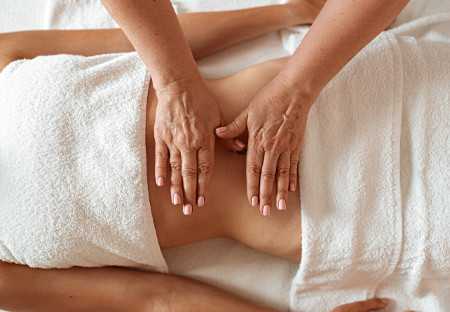
  • receive massages or perform self-massages to stimulate lymphatic circulation.

Water retention and cosmetics

Cosmetics can represent significant help in combating water retention and eliminating excess fluids.

In addition to the previous advice, the use of specific cosmetic products and the intake of draining supplements can maximize and speed up the desired results.

Here’s what could help you:

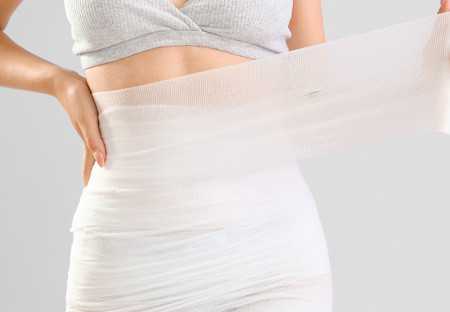
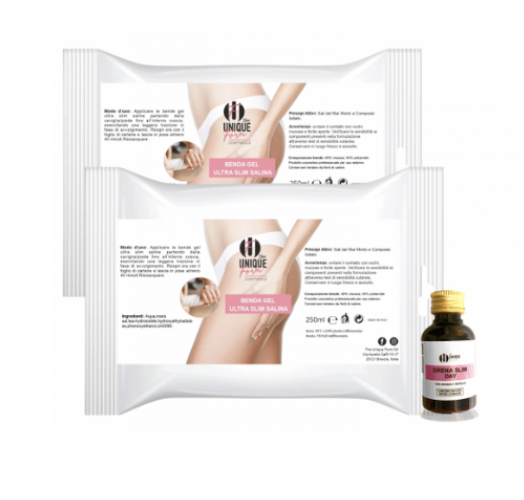
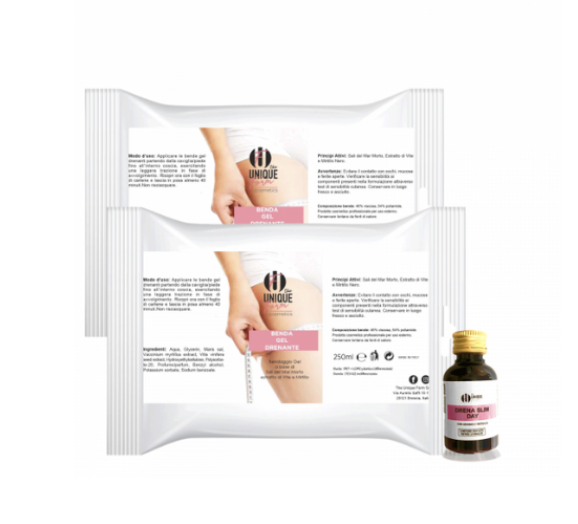
Bende gel drenante Bende gel ultra slim

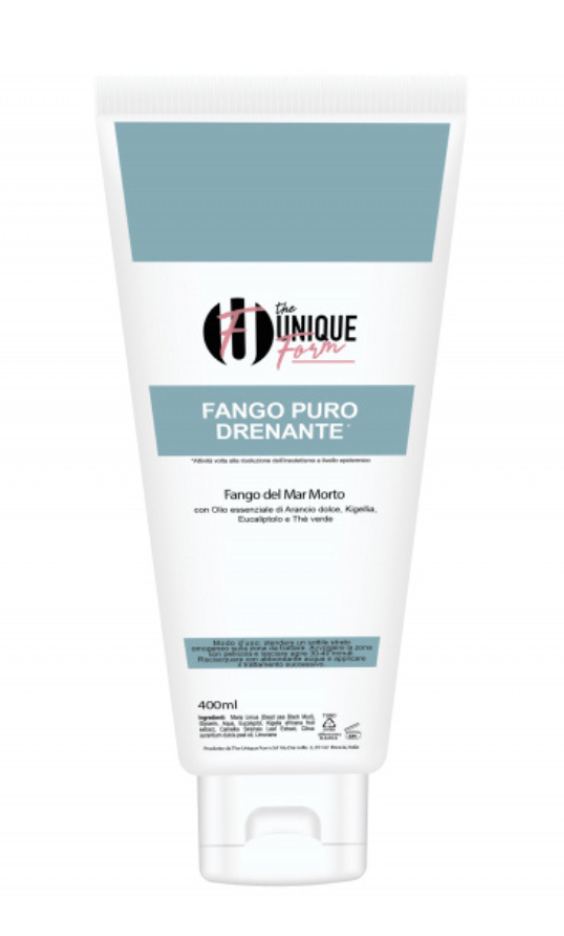
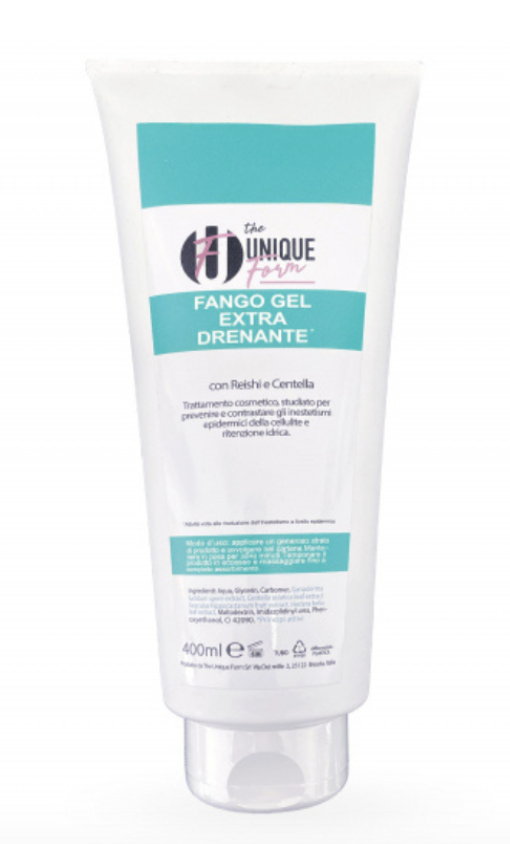
Fango puro drenante Fango gel extra drenante

Supplements for water retention

As for supplements, they can definitely make a difference in eliminating excess fluids:

Rely on The Unique Form, read the blog and follow us on Facebook and Instagram for more tips!

 
Posted in: Water retention