
Sponsor code Mobile no Tax ID code
Blog navigation

Latest posts

Water retention in the legs: How to drain and deflate
91 views

Persistent bloating, a feeling of heaviness that is accentuated towards the evening and tissues that appear visibly...

Read more
How to eliminate excess fluids from the body?
59 views

Fighting the accumulation of excess fluid requires a holistic approach, integrating a healthy lifestyle, a conscious...

Read more
Skin and hair at the beginning of pregnancy: what happens?
450 views

Pregnancy is a period of profound physical and emotional transformation. Among the many changes that accompany the...

Read more
Postnatal massage: benefits and when to have it
504 views

The postnatal period is one of the most delicate and transformative phases in a woman's life. After the birth of a...

Read more
How to eliminate water retention?
240 views

Swelling, heaviness in the legs, tissues that appear ‘puffy’: water retention is a common disorder that affects many...

Read more

When Cellulite Becomes Lipedema and How to Intervene

85 Views
 

Lipedema is a medical condition often confused with cellulite, but it is important to understand the differences between the two and how to intervene in cases of lipedema.

Let’s therefore try to understand what lipedema is and when cellulite can turn into it, what the symptoms are, and the available treatment options.

What is lipedema?

Lipedema is a chronic condition characterized by an abnormal accumulation of fat in the legs and arms, which can lead to physical deformity and functional discomfort.

Lipedema is generally more common in women than in men and often has a genetic origin.

People affected by lipedema may experience swelling, sensitivity to touch, and pain in the affected areas. Unlike cellulite, which is caused by the irregular distribution of fat under the skin, lipedema involves an increase in the number of fat cells in the affected areas.

When cellulite becomes lipedema

Cellulite can turn into lipedema when fat accumulation becomes excessive and uncontrollable.

While cellulite is often associated with changes in physical activity or diet, lipedema is more closely linked to genetic and hormonal factors.

People with lipedema may notice a worsening of symptoms with advancing age or during periods of hormonal changes, such as puberty or pregnancy.

It is important to consult a doctor if lipedema is suspected in order to obtain an accurate diagnosis and an appropriate treatment plan.

How can I tell if I have lipedema? The most common symptoms

Recognizing lipedema can be difficult, as its symptoms are easily confused with other conditions such as obesity or lymphedema.

However, there are some distinctive features to look out for, such as fat accumulation that mainly affects the legs and arms, with a clear transition between affected and unaffected areas.

Other signs include a sensation of heaviness or pain in the affected areas, an “orange peel” appearance of the skin—similar to that also caused by cellulite—and increased sensitivity to touch.

How is lipedema treated?

Currently, there is no definitive cure for lipedema, but there are several treatment options available to manage symptoms and improve quality of life.

These include conservative therapies such as compression bandaging, manual lymphatic drainage, and regular physical exercise.

What should not be eaten with lipedema?

Although there is no specific diet for lipedema, some people have experienced an improvement in symptoms by limiting the intake of foods high in sodium, refined sugars, and saturated fats.

In addition, reducing the consumption of processed foods and increasing the intake of fruits, vegetables, and lean proteins can help reduce inflammation and swelling associated with lipedema.

What is the difference between lymphedema and lipedema?

While lipedema involves an abnormal accumulation of fat in the legs and arms, lymphedema is characterized by an accumulation of interstitial fluids that cause swelling in the same areas.

Lymphedema is often associated with a malfunction of the lymphatic system, which may be caused by trauma, infections, or surgical procedures. Unlike lipedema, lymphedema can also affect other parts of the body beyond the limbs. Differential diagnosis between the two conditions is therefore essential to ensure effective and targeted treatment.

Lipedema or cellulite?

Have you been able to understand whether your problem is lipedema or a more classic form of cellulite?

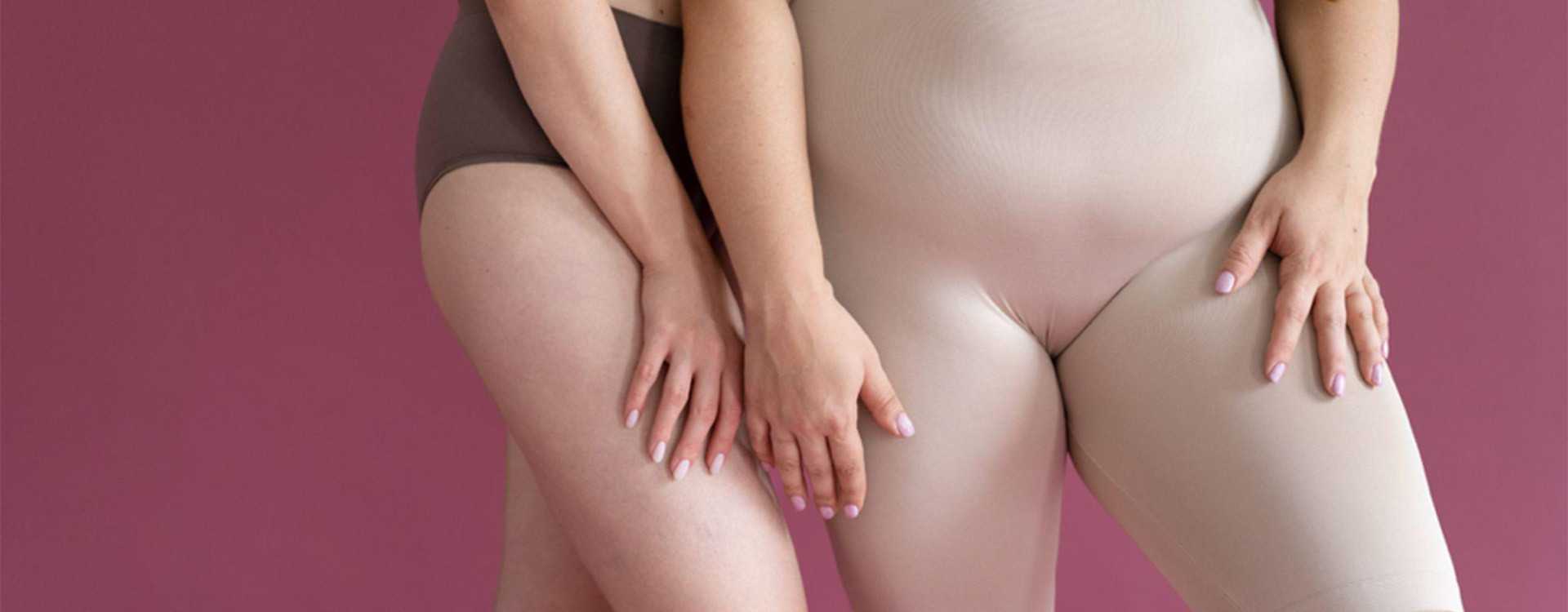
If you are also one of the many women who fight every day against the famous orange peel skin, try The Unique Form anti-cellulite products to win your battle!

For an even more effective attack, combine cosmetics with the right supplements and also try cosmetic clothing and slimming leggings by The Unique Form.