
Sponsor code Mobile no Tax ID code
Blog navigation

Latest posts

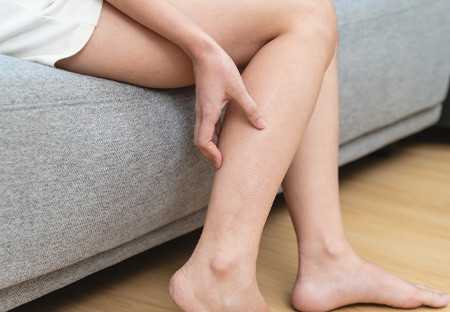
Water retention in the legs: How to drain and deflate
91 views

Persistent bloating, a feeling of heaviness that is accentuated towards the evening and tissues that appear visibly...

Read more
How to eliminate excess fluids from the body?
59 views

Fighting the accumulation of excess fluid requires a holistic approach, integrating a healthy lifestyle, a conscious...

Read more
Skin and hair at the beginning of pregnancy: what happens?
450 views

Pregnancy is a period of profound physical and emotional transformation. Among the many changes that accompany the...
Read more
Postnatal massage: benefits and when to have it
503 views

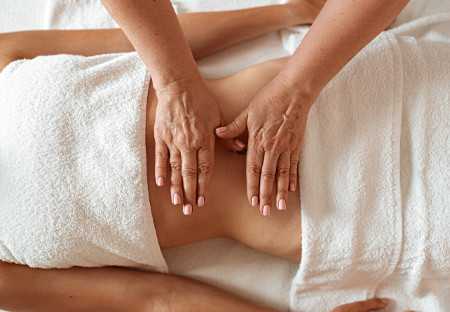
The postnatal period is one of the most delicate and transformative phases in a woman's life. After the birth of a...

Read more
How to eliminate water retention?
240 views

Swelling, heaviness in the legs, tissues that appear ‘puffy’: water retention is a common disorder that affects many...
Read more

Lymphatic circulation and manual lymphatic drainage: how to say goodbye to bloating and water retent

299 Views
 

If you often feel bloated, with heavy legs and an annoying sensation of water retention, you've probably already wondered how to reactivate circulation and finally get rid of this discomfort.

Here’s the good news: it’s not a lost battle!

The lymphatic system, responsible for eliminating excess fluids and toxins from the body, can be stimulated through manual lymphatic drainage, a treatment that offers many benefits for our wellbeing.

But how exactly does lymphatic drainage work, and when should we use this technique? And most importantly, why is it so helpful for those suffering from water retention and similar issues?

In this article, you’ll find answers to all these questions, understanding why lymphatic circulation is so important and how you can make it work in your favour.

What is lymphatic circulation and why is it so important?

The lymphatic system is one of the most vital elements of our body, yet we often overlook its function.

It’s a network of vessels that transports lymph, a fluid that, in addition to containing water, proteins, salts, and other substances, serves to eliminate metabolic waste and maintain the balance of bodily fluids.

Lymph not only helps drain excess fluids, but also carries immune cells, supporting our immune system.

When lymphatic circulation is not functioning properly, a blockage in the lymphatic vessels can occur, causing swelling, a sensation of heaviness, water retention, and cellulite.

Water retention is most noticeable in the legs, abdomen, or arms, and although it’s not a serious health problem, it can affect our appearance and psychological wellbeing.

That’s why regularly stimulating lymphatic circulation is so important to prevent and relieve these issues.

But before learning how, it’s important to understand what we’re dealing with.

What is manual lymphatic drainage and how does it work

Manual lymphatic drainage is a therapeutic technique that uses gentle and rhythmic movements to stimulate lymph flow.

Imagine a massage that’s not only relaxing but also helps eliminate excess fluids and toxins accumulated in the body.

This technique was developed in the 1930s by Danish physiotherapist Emil Vodder and is now widely used to treat problems like water retention and cellulite.

But how does it work? During the session, the therapist performs slow, steady movements along the lymphatic pathways to activate lymph flow toward the lymph nodes (especially in the groin and underarms), where the body processes waste.

The result? Improved circulation, firmer skin, and a general feeling of lightness.

This technique is not only useful for those seeking a remedy for cellulite or water retention, but it also positively affects the immune system, which is stimulated during the treatment, making the body more resistant to infections.

But is it possible to do manual lymphatic drainage at home?

How to stimulate lymphatic circulation at home

While professional manual lymphatic drainage is the most complete treatment, there are simple steps you can take at home to stimulate lymphatic circulation and maintain the benefits of the therapy.

These small habits can really make a difference—especially when combined into a healthy routine that includes nutrition, exercise, and proper supplementation.

Here’s how you can support your lymphatic circulation:

  • Hot/cold contrast showers

    They’re an excellent way to improve lymphatic circulation. Alternate between hot and cold water on your legs and abdomen: heat helps open blood vessels, while cold constricts them, stimulating lymphatic flow.

  • Lymphatic self-massage

    Use gentle hand movements to push fluids toward the lymph nodes. Start from the feet and move upward along the legs, always directing movements toward the heart. If you need extra help, you can use wraps or creams that promote drainage, such as those with coffee or centella asiatica, known for their toning and draining properties.

  • Drink plenty of water!

    Hydration is essential for keeping the lymphatic system healthy and promoting the elimination of excess fluids. Try to drink at least 1.5–2 liters of water a day, and maybe add a slice of lemon or a bit of ginger for an extra boost.

  • Gentle and consistent activity

    Walking, yoga, stretching, or bouncing on a mini-trampoline (rebounding) are ideal for activating the lymphatic system. In general, exercise is always a great idea!

  • Dry brushing

    This involves using a natural bristle brush to massage the skin before showering. This technique stimulates microcirculation, promotes toxin elimination, and prepares the skin to better absorb moisturizing treatments. It’s important to use gentle, circular motions, starting from the feet and slowly moving upward.

  • Deep breathing

    Lymph movement is influenced by diaphragm motion. Take a few minutes each day to breathe slowly and deeply, fully expanding and contracting your abdomen.

By following these simple steps, you’ll help your lymphatic system work more efficiently!

Once again, the key to seeing results is just one thing: consistency!

Now let’s look at the actual benefits of manual lymphatic drainage.

The benefits of manual lymphatic drainage

The benefits of manual lymphatic drainage go far beyond reducing swelling or cellulite.

This treatment has numerous positive effects on the entire body, which is why it’s so loved by those who try it:

  1. Improves skin appearance

    By stimulating circulation, it helps remove toxins, leaving the skin looking more toned, radiant, and even smoother and firmer.

  2. Relieves the feeling of heaviness

    If you suffer from swollen, heavy legs, lymphatic drainage is one of the most effective treatments to improve circulation and lighten your legs. The resulting freshness is priceless.

  3. Supports the immune system

    Lymphatic drainage doesn’t just address visible symptoms—it also has a deep impact on the body. By stimulating lymph flow, it promotes the production and movement of immune cells, strengthening the body’s ability to fight infections.

  4. Reduces stress

    Don’t forget that lymphatic drainage also has a powerful relaxing effect. It’s an excellent way to take care of yourself and reduce daily stress.

    Ultimately, lymphatic drainage is much more than just an aesthetic technique—it’s a true ally for overall wellbeing.

Conclusions

Manual lymphatic drainage is a powerful and natural treatment that can truly make a difference.

If you feel your body needs a boost to function better, try integrating at-home lymphatic drainage into your routine.

Not only will you notice physical improvements, but your mood and energy levels will benefit too!

 
Posted in: Water retention