
In the world of skincare, there are simple yet essential steps to keep the skin radiant, healthy, and vibrant. One of these is exfoliation, a treatment often underestimated but fundamental for skin wellness.
Using an exfoliant regularly doesn’t just improve the appearance of the skin—it also boosts its defenses and its ability to regenerate.
Whether it’s the face, body, or lips, exfoliating is a key step in every beauty routine, suitable for all ages and all skin types.
In this article, we’ll explore what an exfoliant is, what it does, how to use it correctly, and why choosing the right products is so important…
What does “exfoliate” mean?
The term “exfoliate” comes from the Latin exfoliare, meaning “to remove the leaves”.
In cosmetics, exfoliating means removing dead skin cells that accumulate on the surface of the skin, hindering the natural process of skin renewal.
Exfoliation stimulates cell turnover, promoting the emergence of new skin that’s brighter and smoother.
Over time, and with exposure to smog, stress, and environmental agents, the skin tends to appear dull, rough, and uneven. Regular exfoliation is the beauty step that renews the face (and beyond), giving it a healthy, radiant appearance.
What is the purpose of an exfoliant in cosmetics?
An exfoliant is a product formulated to promote the removal of dead skin cells and impurities from the skin’s surface. This process is not only aesthetic: it’s a true beauty treatment that improves the skin’s appearance and health.
Among the main benefits of exfoliation are:
- brighter and more even skin.
- Reduction of enlarged pores, blackheads, and blemishes.
- Greater effectiveness of subsequent treatments: after exfoliation, the skin absorbs serums, creams, and masks more effectively.
- Prevention of skin aging: by constantly renewing the skin, it stays younger and firmer.
Exfoliant and skincare: an essential duo
Exfoliation is much more than an occasional treatment: it’s a fundamental step in any skincare routine. Including an exfoliant in your weekly habits not only deeply cleanses the skin but also prepares it to better receive subsequent treatments.
After exfoliation, the skin appears more receptive: moisturizers, serums and creams penetrate better, increasing their effectiveness. Moreover, exfoliation helps rebalance the skin, keeping it smooth, even, and free of impurities. For those who use makeup daily, it is also an ally for achieving a perfect, long-lasting base.
What’s the difference between a scrub and an exfoliant?
The terms “scrub” and “exfoliant” are often used as synonyms, but they don’t mean exactly the same thing.
The term “exfoliant” identifies a broader category of treatments for removing dead skin cells, of which the scrub is only a subcategory.
To simplify: an exfoliant can be chemical or mechanical:
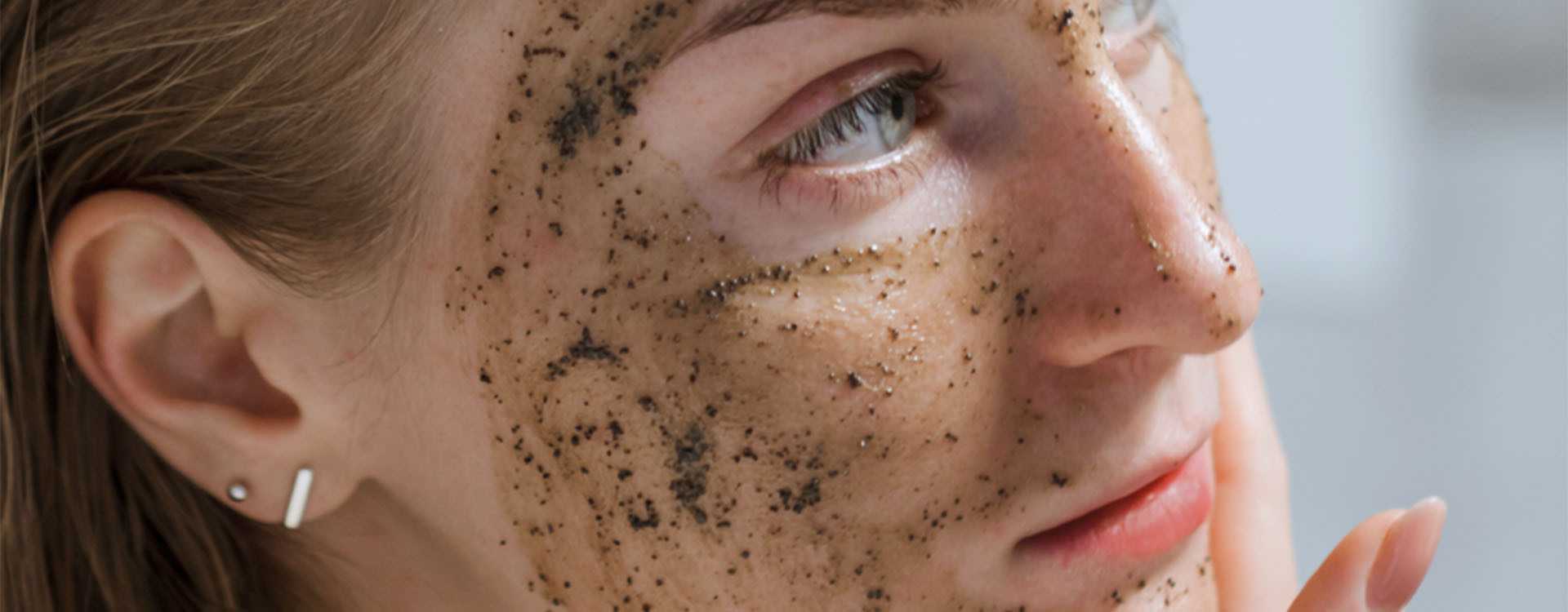
- A scrub is a mechanical exfoliant containing microgranules or natural particles (such as fruit seeds or sugar) that, when massaged onto the skin, physically remove dead cells.
- A chemical or enzymatic exfoliant uses active ingredients such as fruit acids (AHA), salicylic acid (BHA), or natural enzymes, which gently dissolve the bonds between dead cells, without abrasive action.
In summary, all scrubs are exfoliants, but not all exfoliants are scrubs. The choice depends on your skin type and sensitivity.
How do you exfoliate the skin?
Exfoliating the skin is a simple gesture, but for it to be truly effective (and safe), it’s important to follow some best practices.
To exfoliate correctly:
- Cleanse your face with a gentle product to remove makeup and impurities.
- Apply the exfoliant (mechanical or chemical) to clean, slightly damp skin.
- If it’s a scrub, massage gently with circular motions, avoiding the eye area. Don’t rub too hard!
- If it’s a chemical exfoliant, follow the instructions on the label and rinse if necessary.
- Rinse thoroughly with lukewarm water.
- Apply a balancing toner and then a moisturizer to restore the skin barrier.
Beauty tip: exfoliate your neck and décolleté as well—they’re often overlooked but subject to the same buildup of impurities.
When to exfoliate the skin and why
The frequency of exfoliation depends greatly on your skin type and the type of exfoliant used.
- Oily or blemish-prone skin: 2–3 times a week.
- Normal or combination skin: 1–2 times a week.
- Sensitive or dry skin: once every 10 days, using gentle products.
Avoid over-exfoliating: it can disrupt the skin barrier and cause redness, irritation, or dryness.
The best time to exfoliate?
Evening, when the skin has time to regenerate during sleep. After exfoliating, it’s recommended to avoid direct sun exposure and always apply sunscreen the following day, especially if using chemical exfoliants.