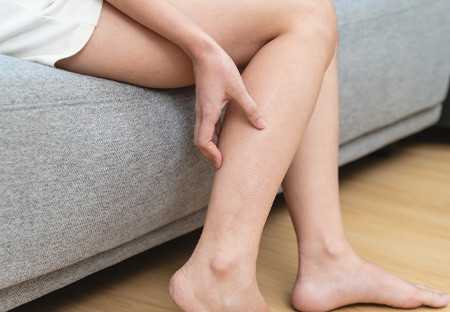
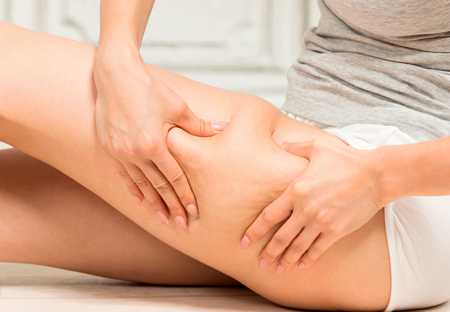
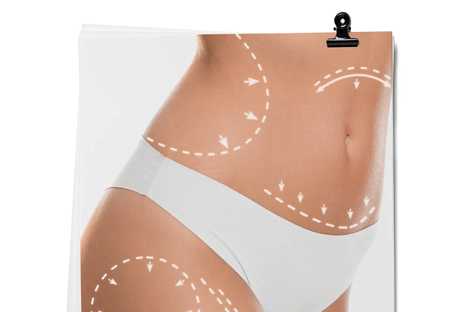
Swelling, a feeling of heaviness in the legs and the appearance of skin imperfections are often warning signs of a very common phenomenon: water retention.
Combating excess fluid build-up requires a holistic approach that integrates a healthy lifestyle, conscious nutrition and the support of targeted solutions.
At The Unique Form, we have dedicated our research to developing comprehensive strategies for the well-being of the body.
From body creams and dietary supplements to cosmetic clothing and skincare, each of our formulations is designed to support the body in its natural balancing process, offering concrete help to achieve visible and lasting results.
Understanding the causes of this disorder is the first fundamental step in taking the right countermeasures and regaining lightness and well-being.
Water retention: why does the body retain fluids?
Understanding water retention is essential to dealing with it effectively. It is important to clarify that, in most cases, it is not a disease, but a symptom, a signal that our body sends to communicate an imbalance. Basically, water retention occurs when the body has difficulty disposing of fluids in the interstitial spaces, i.e. between cells, leading to localised oedema and swelling, most frequently in the ankles, legs, abdomen and hips.
The underlying mechanism is complex and involves two crucial systems: the venous and lymphatic systems. The venous system returns blood to the heart, while the lymphatic system acts as a parallel drainage system, collecting excess fluids and toxins from the tissues and then returning them to the bloodstream after filtering them. When one of these two systems slows down or encounters obstacles, fluids stagnate. There are many causes for this slowdown.
A sedentary lifestyle is the main culprit: spending too many hours sitting or standing in the same position prevents the “muscle pump” in the calves from activating and pushing fluids upwards, promoting stagnation due to gravity.
Added to this is an unbalanced diet, particularly excessive sodium consumption. Salt, through the process of osmosis, retains water in the tissues. We are not just talking about the salt we add voluntarily, but the hidden salt that is abundant in processed foods, sausages, mature cheeses and industrial snacks.
Finally, hormonal factors, especially in women, can significantly affect capillary permeability and body fluid management during the menstrual cycle or at other stages of life.
The importance of hydration and nutrition
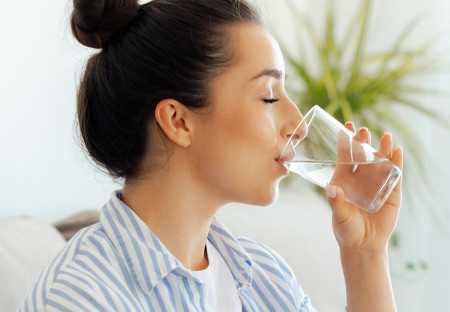
It may seem paradoxical, but to combat fluid retention, the first essential step is to drink more. Hydration plays a key role in the body's water-salt balance.
When you drink too little, your body perceives a state of “drought” and, to protect itself, activates defence mechanisms that cause it to retain the water it has more strongly, reducing the urge to urinate.
Conversely, a constant and adequate water intake (generally recommended between 1.5 and 2 litres of water per day, to be adjusted according to climate and physical activity) sends a signal to the kidneys that there is no shortage. This stimulates diuresis, facilitating the elimination of stagnant fluids and, with them, toxins and excess sodium. Water acts as a real internal “cleanse”.
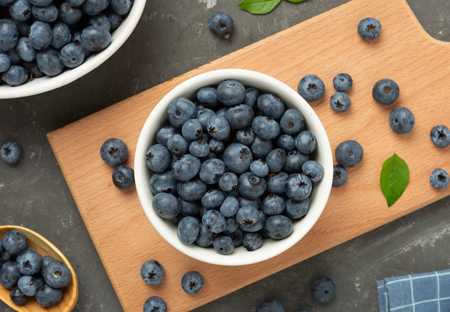
At the same time, your diet needs to be reviewed with a view to reducing bloating. As mentioned, the number one enemy is sodium. It is crucial to learn how to read the labels on packaged products in order to identify and limit added salt. The winning strategy is to balance sodium by increasing your intake of potassium, its mineral antagonist. Potassium helps restore cellular fluid balance and stimulates diuresis. It is found in abundance in fresh fruit and vegetables, such as bananas, avocados, spinach, sweet potatoes, kiwis and tomatoes.
It is equally important to include foods rich in fibre and water in your diet, as they support intestinal regularity (often related to abdominal bloating) and have natural draining properties.
So go ahead and eat cucumbers, fennel, asparagus, celery and pineapple. Drastically reducing refined sugars and alcohol, which promote inflammation and burden the liver (a key organ in purification), is the next step in an effective draining dietary strategy.
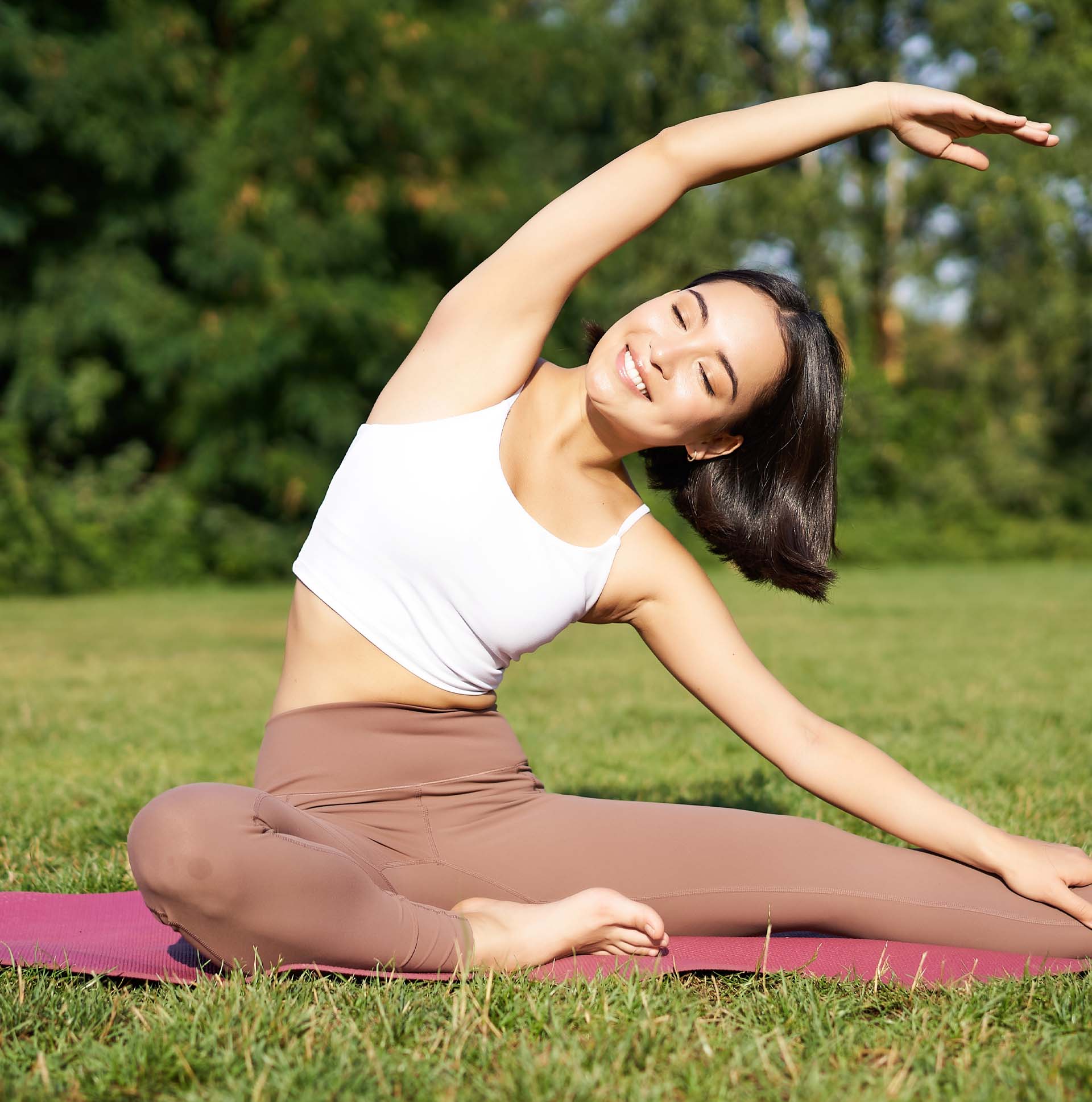
Active strategies: exercise and fitness to combat bloating
While diet and hydration are the foundations, physical activity is the engine that reactivates the entire system. Unlike the blood system, which has the heart, our lymphatic system does not have a central “pump”. Lymph moves thanks to muscle contraction and breathing.
A sedentary lifestyle effectively “turns off” this engine. To reactivate fluid drainage, especially from the lower limbs, it is essential to move. The most effective physical activity does not necessarily have to be high intensity; in fact, sometimes too much impact training can further inflame the tissues. The ideal is constant, low-impact aerobic activity.
Brisk walking is the queen of drainage disciplines: each step activates the plantar pump and the contraction of the calf muscles, which “squeeze” the veins and lymphatic vessels, pushing fluids upwards and fighting gravity.
Swimming and water aerobics are also excellent: the hydrostatic pressure of the water provides a natural, constant and deep massage to the whole body, stimulating microcirculation without stressing the joints.
Even those who work in an office can make a difference: it is essential to get up at least once an hour, take a few steps and do some simple seated exercises, such as ankle rotations or standing on tiptoes, to reactivate circulation. To maximise the effects of movement, technological support can be used.
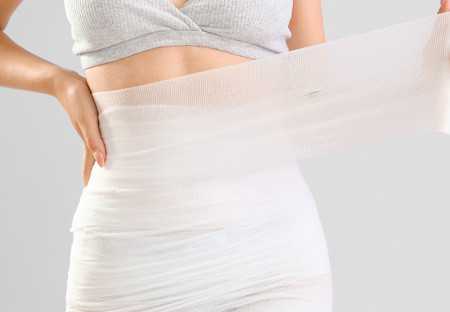
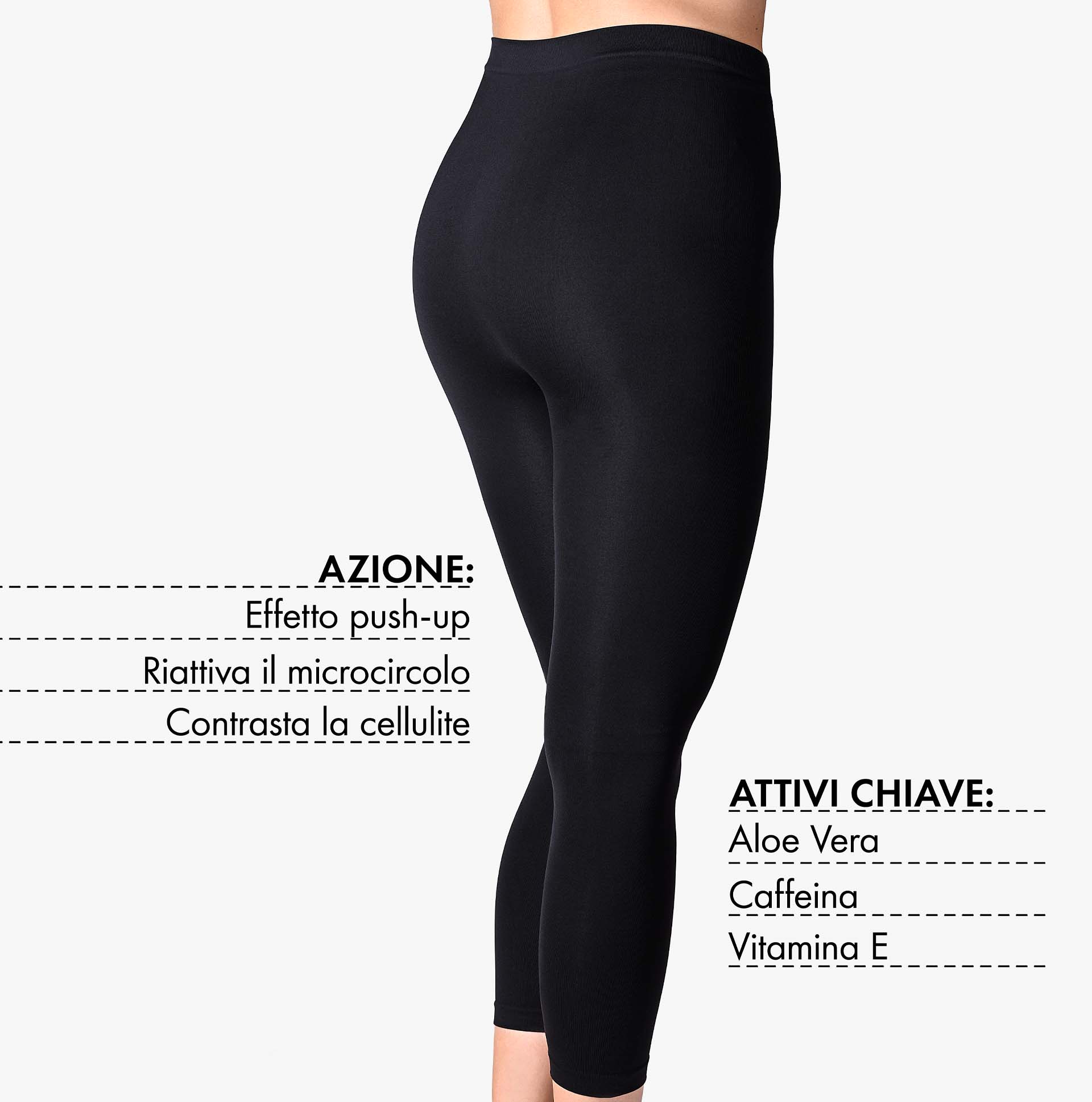
Cosmetic clothing, such as our slimming and shaping massage leggings, can help in this process. These garments are specifically designed to take advantage of the body's natural movements: the compression fabric and its specific weave work in synergy with physical activity to reactivate microcirculation, helping to oxygenate the tissues.
The support of targeted supplements and cosmetics
Once diet and exercise have been properly established, the use of dietary supplements and cosmetic treatments can act as a powerful accelerator, offering targeted support to drain and purify the body more effectively.
Dietary supplements are not a substitute for a healthy lifestyle, but they provide concentrated active ingredients that would be difficult to obtain in such quantities from a normal diet.
Phytotherapy offers effective solutions to promote drainage. Ingredients such as dandelion, birch, pineapple and black radish are known for their diuretic and purifying properties.
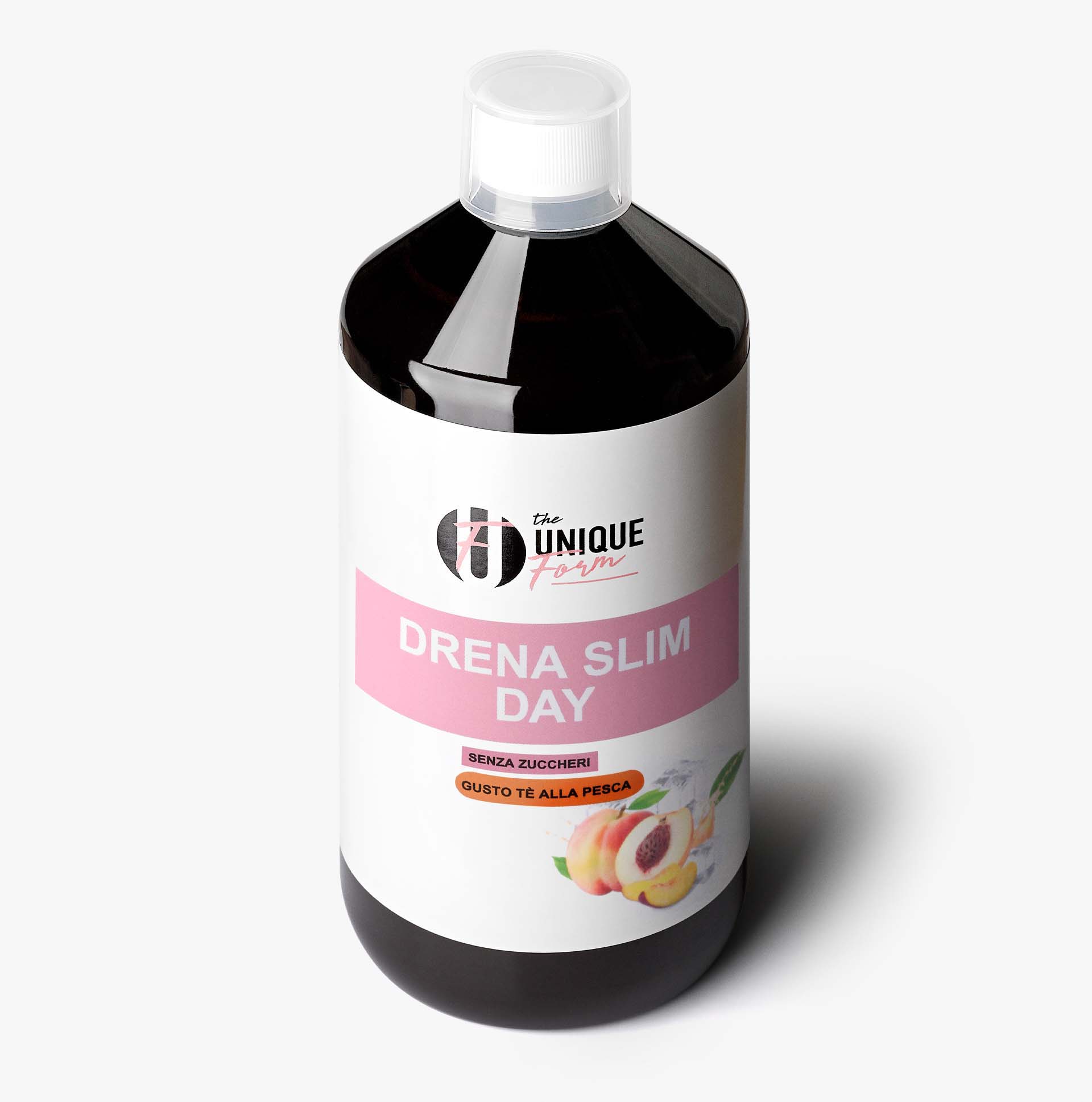
They help stimulate urinary tract function and support the body's purifying function. Specific supplements, such as drena slim day, can aid this process. Formulated with plant extracts such as dandelion, birch and black radish, it is designed to promote fluid drainage and support digestive and purifying function.
On the external front, cosmetics act locally to stimulate skin microcirculation and improve the appearance of the skin.
- Ingredients such as caffeine are effective for their lipolytic and draining action.
- Dead Sea salts, used in muds or gels, work by osmosis, drawing fluids retained in the tissues to the surface.
- Plant extracts such as ivy, Centella Asiatica and horse chestnut are essential for strengthening capillary walls and improving skin elasticity.
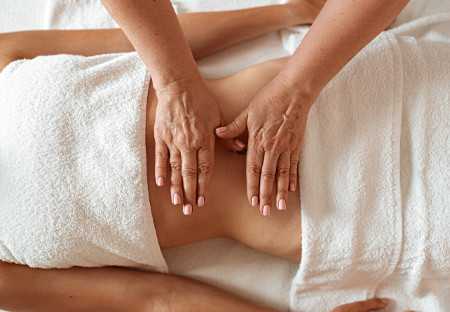
The constant application of these products, ideally through self-massage (always from the bottom up), enhances the action of physical activity and completes the strategy to combat water retention.
Frequently Asked Questions (FAQ)
How long does it take to eliminate excess fluid?
There is no universal timeframe. The first results, such as reduced swelling and increased urination, can be seen after just a few days of a controlled diet (low sodium content) and proper hydration. However, for stable and visible results on your silhouette and imperfections, consistency is required for several weeks, integrating diet, hydration and regular physical activity.
Does drinking lots of water really eliminate fluids?
Absolutely yes. Although it may seem counterintuitive, drinking adequately (about 1.5-2 litres of water per day) is the main method of combating retention. A well-hydrated body does not feel the need to “hold on” to fluids for storage. In addition, a constant flow of water helps the kidneys to filter and expel excess sodium, which is the main cause of fluid retention in the tissues.
Which foods cause the most water retention?
The main culprits are foods high in sodium (salt). These include industrial and processed foods (such as ready meals, sauces, savoury snacks), sausages and cold cuts, very mature cheeses and stock cubes. An excess of simple sugars and alcohol can also contribute, as it promotes a general state of inflammation that worsens circulation.
Does physical activity worsen water retention?
It depends on the type of activity. High-impact workouts (such as intense running or jumping sessions) can, in the initial stages and on already inflamed tissues, cause micro-tears in the muscles that attract fluids (inflammation). However, low-impact physical activity, such as brisk walking, swimming or cycling, is essential and beneficial, as it activates the muscle pump and lymphatic system, which are the main drivers of fluid drainage.