
What is cellulite and why does it form?
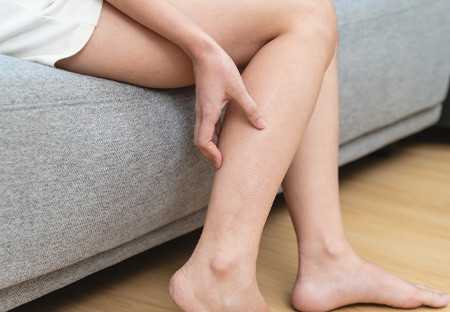
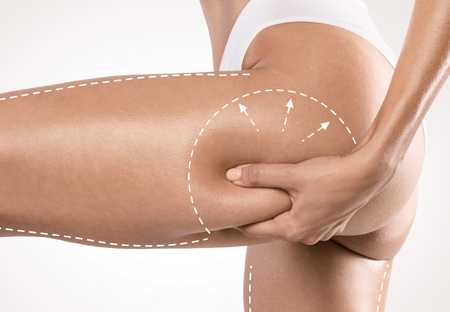
Cellulite, also known as edematous-fibro-sclerotic panniculopathy (EFSP), is an alteration of the subcutaneous tissue that mainly affects women. It manifests itself as the classic “orange peel” skin, particularly on the thighs, buttocks and hips, but can also appear on the arms and abdomen. There are many main causes of cellulite:
- Hormonal imbalances
- Poor blood and lymphatic circulation
- Water retention
- A diet high in sugar, fat and salt
- A sedentary lifestyle
- Genetic predisposition
This condition is not just a cosmetic problem: it is also linked to chronic inflammatory processes, which over time worsen the appearance of the skin and the health of the tissues.

Role of inflammation in the development of cellulite
When it becomes chronic, inflammation is one of the main factors aggravating cellulite. Under normal conditions, inflammation is the body's defence mechanism against trauma, pathogens or irritants. However, if this state persists over time, it turns into low-grade, often silent inflammation that profoundly alters tissue function. In the case of cellulite, chronic inflammation contributes to damage to the microcirculation, i.e. the small arteries and veins that supply blood and oxygen to the subcutaneous tissues. This slowing of circulation promotes the accumulation of toxins and fluids, further compromising cellular metabolism. This results in a progressive thickening of collagen fibres, which hardens the tissues and worsens the aesthetic appearance of the skin. Understanding the role of inflammation in the development of cellulite allows us to develop an effective strategy to combat it, based on targeted dietary choices and a lifestyle that promotes overall well-being. How can we reduce inflammation in cellulite? The answer lies in our diet: introducing anti-inflammatory foods and limiting pro-inflammatory foods is a fundamental step in combating cellulite.
How diet affects cellulite
There are no miracle solutions, but a balanced diet rich in draining and antioxidant foods can really make a difference. It is also helpful to combine diet with moderate and regular physical activity. Diet is a determining factor in the prevention and treatment of cellulite. An unbalanced diet, rich in simple sugars, saturated fats and salt, contributes to increased levels of systemic inflammation, aggravates water retention and hinders the proper functioning of the lymphatic system. Conversely, a balanced diet can promote detoxification of the body, improve circulation and reduce fluid accumulation in the tissues. In particular, it is important to choose foods rich in antioxidants, vitamins, minerals and good fatty acids, all nutrients that support cell regeneration and reduce inflammation.

Recommended anti-inflammatory foods for cellulite
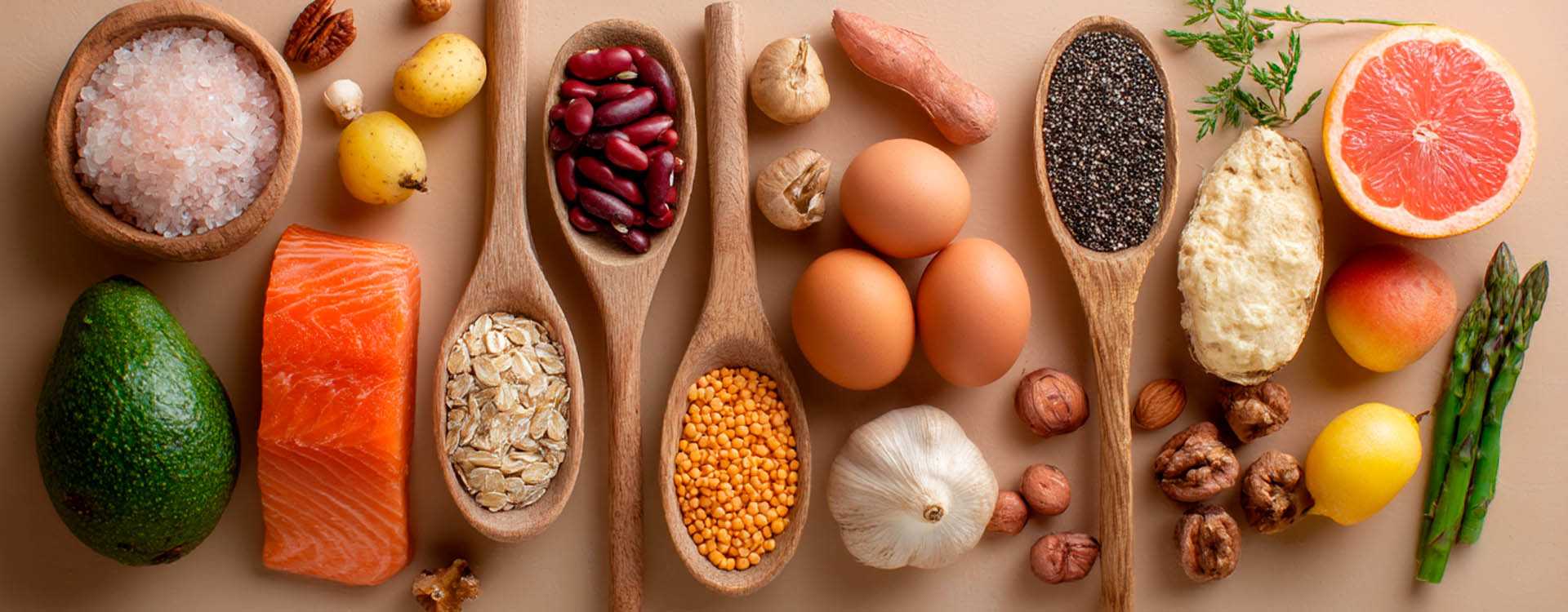
What are the best anti-inflammatory foods for cellulite? Here are the seven most effective anti-cellulite foods to include in your diet:
- Red fruits (blueberries, blackberries, currants): rich in anthocyanins, they improve circulation and fight free radicals.
- Oily fish (mackerel, sardines, salmon): a source of omega-3, powerful natural anti-inflammatories.
- Turmeric: curcumin has antioxidant properties and promotes liver detoxification.
- Ginger: stimulates digestion and has a thermogenic and draining effect.
- Green tea: rich in catechins, it helps burn fat and improve microcirculation.
- Green leafy vegetables (spinach, chard, black cabbage): alkalise the body and reduce acidity, which is linked to inflammation.
- Nuts (walnuts, almonds, flax seeds): rich in good fats, zinc and vitamin E.
When incorporated into a diet for cellulite on the thighs and buttocks, these foods can reduce the “orange peel” effect after just a few weeks.
Foods to avoid to reduce inflammation
Cellulite is also promoted by a number of pro-inflammatory foods, which are best limited or eliminated:
- Refined sugars (sweets, biscuits, fizzy drinks)
- Trans fats (packaged snacks, margarine, fast food)
- Processed meats (cold cuts, sausages, frankfurters)
- Excess salt: promotes water retention
- Excess alcohol and coffee
- Refined flours (white bread, industrial pasta)
These are the classic cellulite foods to avoid, as they aggravate inflammation, increase blood sugar and worsen peripheral circulation.
Natural supplements with anti-inflammatory effects
In addition to diet, you can supplement your routine with natural products specifically designed to combat cellulite. Supplements containing omega-3, turmeric, centella asiatica, birch or pilosella can help improve circulation, reduce inflammation and stimulate lymphatic drainage.

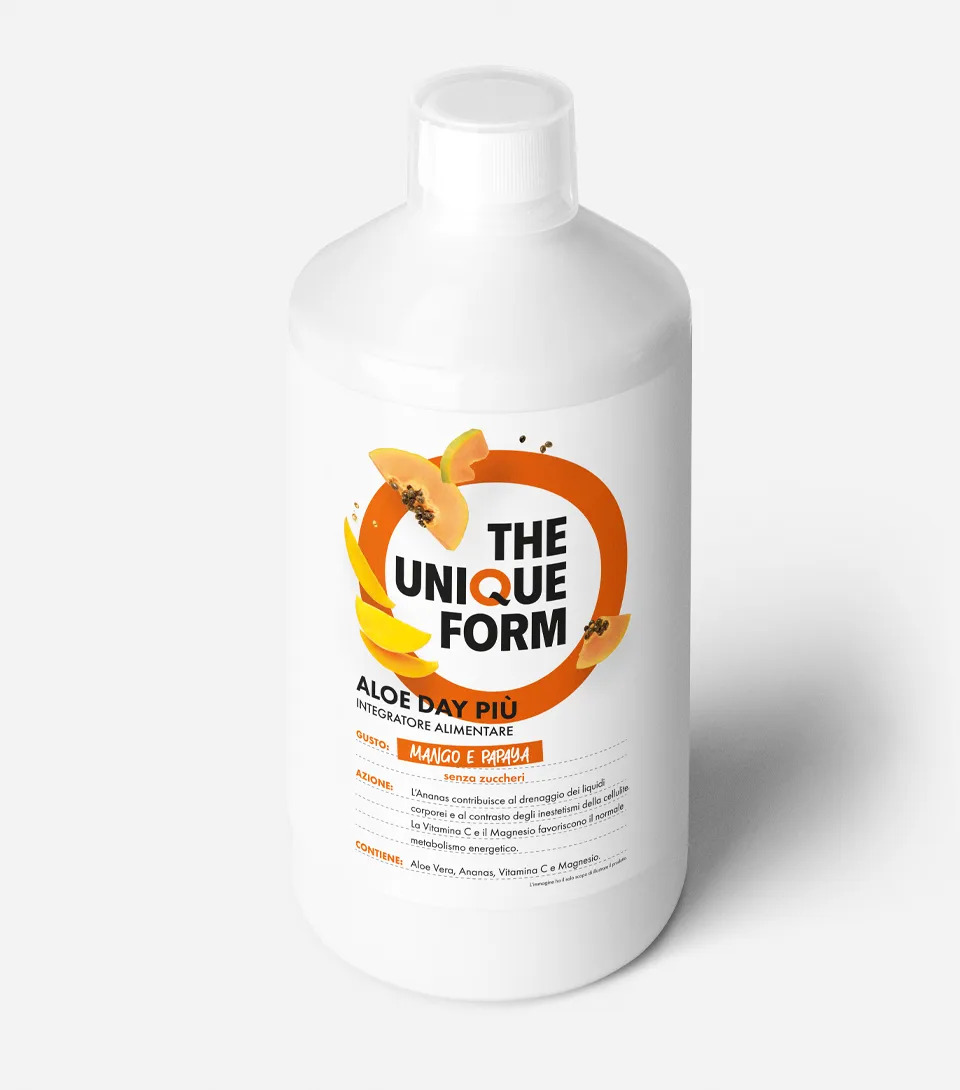
An excellent resource in this regard are The Unique Form food supplements, designed with highly natural formulations aimed at the well-being of the female body. Among the best sellers is Aloe Day Più - Mango e Papaya, a sugar-free dietary supplement with sweetener, based on aloe, pineapple, vitamin C and magnesium. Thanks to the presence of pineapple, this product contributes to the drainage of body fluids and combats the appearance of cellulite. Vitamin C and magnesium also promote normal energy metabolism. It is a highly concentrated supplement and should only be consumed diluted in water: one to four measuring spoons per day can be taken, each diluted in a glass of water, or up to four measuring spoons can be diluted in one or two litres of water to be drunk throughout the day.
Pineapple contributes to the drainage of body fluids and combats cellulite.
Vitamin C and magnesium promote normal energy metabolism.

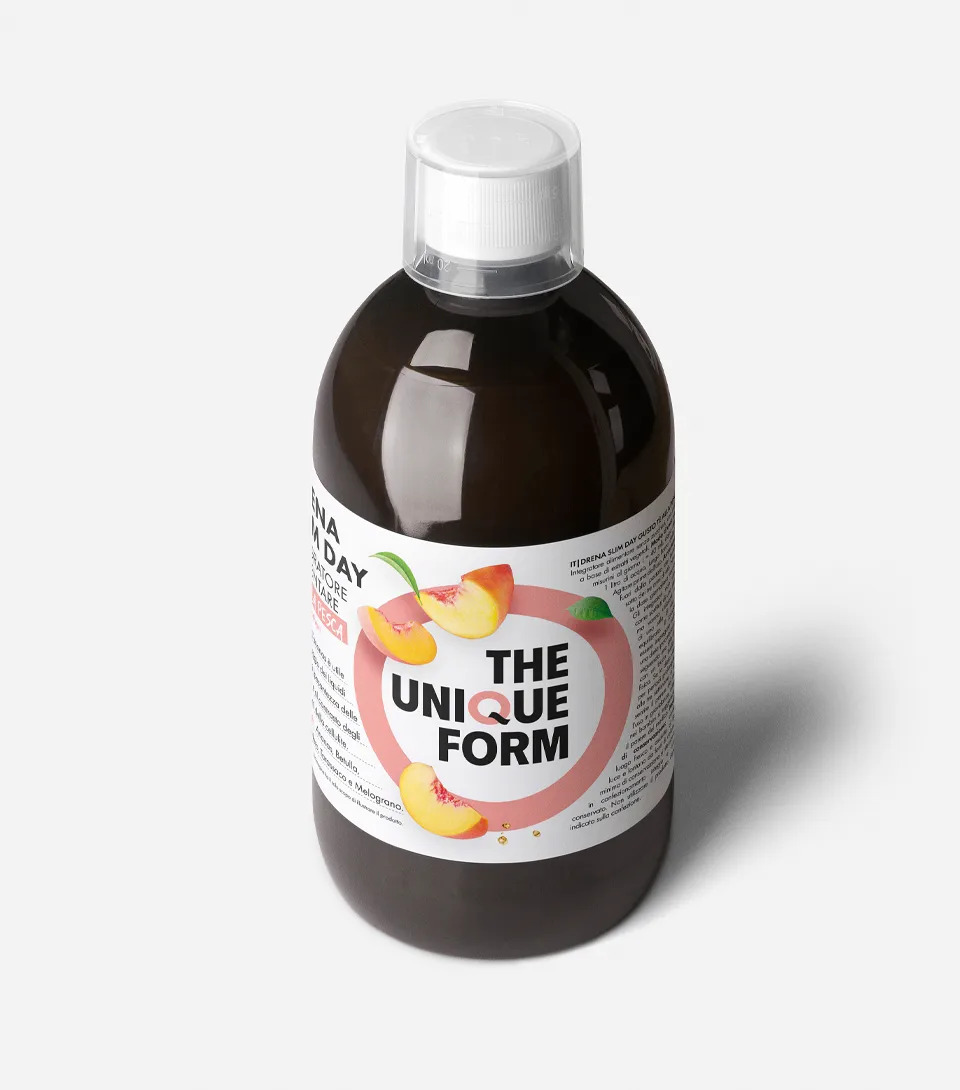
Another valuable ally is Drena Slim Day - Peach Tea, which is also sugar-free and formulated with plant extracts. This supplement exploits the properties of pineapple to drain fluids and combat cellulite, birch to aid drainage, orthosiphon for urinary tract function, black radish for digestive function, dandelion for purifying functions and pomegranate for its antioxidant activity. The recommended intake is two scoops per day, equivalent to 40 ml, to be diluted in a litre of water to be drunk throughout the day.
Pineapple is useful for draining body fluids (heavy legs) and combating cellulite.
Birch aids the drainage of body fluids.
Orthosiphon promotes urinary tract function.
Black radish aids digestive function.
Dandelion promotes the body's purifying functions.
Pomegranate has antioxidant properties.
Tips for a healthy and active lifestyle
Adopting a healthy and active lifestyle is essential for achieving lasting results in the fight against cellulite. Regular physical activity, such as brisk walking, swimming or Pilates, stimulates circulation and promotes lymphatic drainage. Even simple bodyweight exercises, performed consistently, can help tone critical areas. Sleep plays an essential role: getting at least seven hours of sleep per night promotes cell recovery and regulates levels of cortisol, the stress hormone that can contribute to fat accumulation. Drinking plenty of water, enriched with lemon, cucumber or ginger if desired, stimulates the kidneys and promotes the elimination of toxins. Finally, stress management is an often overlooked aspect. Techniques such as deep breathing, meditation or yoga help maintain hormonal balance and improve overall health. A relaxed body is more predisposed to regeneration and less prone to retaining fluids and fat.
Conclusion
Tackling cellulite requires a holistic and consistent approach that starts from the inside and is reflected on the outside. For those seeking natural and safe support, The Unique Form products offer a valuable ally to accompany you on your journey towards smoother, more toned and healthier skin.